


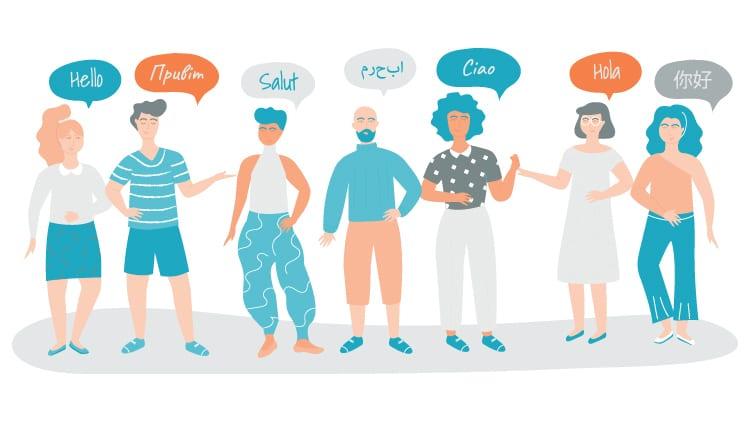
In an increasingly interconnected world, the ability to communicate in local languages has become not just an asset but a necessity. Businesses, travelers, and expatriates alike are recognizing that fluency in the native tongue can significantly enhance cultural understanding, foster stronger relationships, and unlock new opportunities. However, the journey to mastering a new language can be daunting, often fraught with challenges that deter even the most determined learners. This article explores effective strategies for achieving linguistic proficiency, highlighting practical tips, innovative learning tools, and the importance of cultural immersion. Whether you’re a seasoned polyglot or embarking on your first language-learning endeavor, these insights will equip you with the knowledge needed to speak confidently and connect meaningfully with local communities around the globe.
Table of Contents
- Understanding the Cultural Context: A Key to Language Mastery
- Practical Approaches to Building Vocabulary and Conversational Skills
- Leveraging Technology and Resources for Language Learning
- Engaging with Native Speakers: Immersion and Community Involvement
- Closing Remarks
Understanding the Cultural Context: A Key to Language Mastery
To truly excel in mastering a local language, one must delve into the socio-cultural fabric that surrounds it. Language isn’t merely a set of grammatical rules or vocabulary; it is a living reflection of a community’s history, values, and interpersonal dynamics. Understanding the nuances behind phrases and idiomatic expressions can significantly enhance communication skills. This cultural insight enables learners to appreciate the humor, emotions, and subtleties that native speakers often convey, fostering genuine connections. Consider these essential elements:
- Historical Influences: Familiarize yourself with the historical events that shaped the language.
- Social Norms: Learn about customs and traditions that influence daily interactions.
- Regional Dialects: Recognize variations in language use across different areas.
- Non-verbal Communication: Pay attention to body language, gestures, and facial expressions that accompany language.
Engaging with the culture surrounding a language can also be effectively structured through practical exposure. Opportunities such as attending local festivals, joining community groups, or engaging in volunteer activities not only facilitate language practice but also provide insight into the cultural ethos. To navigate these elements effectively, consider the following strategies:
| Strategy | Description |
|---|---|
| Immersive Learning: | Participate in local events to practice language skills in real-world contexts. |
| Cultural Exchanges: | Engage with native speakers through language exchange programs. |
| Diverse Media Consumption: | Consume local media (TV shows, books) for language exposure. |
| Community Involvement: | Join local clubs or groups to meet people and learn collaboratively. |
Practical Approaches to Building Vocabulary and Conversational Skills
Enhancing vocabulary and conversational skills in a local language requires a multi-faceted approach that emphasizes engagement and practice. One effective strategy is to immerse yourself in the culture by participating in community events or social gatherings. This not only exposes you to the language in its natural context but also provides opportunities for real-life practice. Additionally, consider the following methods to build your skills:
- Daily Practice: Dedicate a few minutes each day to learning new words, phrases, or expressions.
- Language Partners: Connect with native speakers who can offer insights and correct your pronunciation.
- Interactive Apps: Utilize language learning apps that gamify the experience, making it enjoyable and less daunting.
Moreover, expanded vocabulary can be reinforced through consistent exposure to the language across different media. Reading books, watching films, and listening to podcasts can significantly enhance comprehension and contextual understanding. To track your progress effectively, consider using a vocabulary table to visualize new words and their meanings:
| Word/Phrase | Meaning | Example Sentence |
|---|---|---|
| Greetings | Expressions of welcome | “Hello, how are you?” is a common greeting. |
| Slang | Informal language variations | He used some slang that I didn’t understand. |
| Idioms | Phrases with figurative meanings | “Kick the bucket” means to die. |
Leveraging Technology and Resources for Language Learning
In today’s interconnected world, leveraging technology is paramount for mastering local languages efficiently. Various online platforms and applications have revolutionized the language learning experience, making resources more accessible than ever. Language learners can benefit from interactive apps that utilize gamification to enhance their learning. Popular apps such as Duolingo, Babbel, and Memrise offer structured lessons and real-time feedback that can significantly expedite the learning process. Additionally, utilizing social media groups and forums can connect learners with native speakers, facilitating practical language exchange and immersive learning experiences.
Furthermore, the integration of virtual reality (VR) and augmented reality (AR) into language education is becoming increasingly common. These technologies create immersive environments where learners can practice language skills in real-life scenarios without leaving their homes. Institutions are also adopting online language courses that feature live tutoring sessions, providing personalized instruction tailored to individual needs. Below is a comparative table showcasing some effective technological tools for language learning:
| Tool | Type | Features |
|---|---|---|
| Duolingo | Mobile App | Gamified lessons, peer interactions |
| Tandem | Language Exchange | Connect with native speakers, video calls |
| Rosetta Stone | Online Course | Immersive learning, speech recognition |
| Busuu | Mobile App | Community corrections, personalized study plan |
Engaging with Native Speakers: Immersion and Community Involvement
Engaging with native speakers is an essential strategy for anyone looking to master a local language. Immersive experiences can significantly accelerate language acquisition, allowing learners to practice speaking in real-life situations. Here are some effective ways to immerse yourself:
- Participate in local cultural events: Attend festivals, art exhibitions, and community gatherings where the language is spoken.
- Join conversation clubs: Look for groups that focus on language exchange, allowing you to practice with others while helping them learn your native language.
- Volunteer in the community: Engaging in service opportunities can provide meaningful interactions while helping you to learn colloquial expressions.
Furthermore, building a community connection enhances your language skills and fosters a sense of belonging. Establishing relationships with native speakers can also lead to organic learning moments outside of traditional settings. Consider these techniques to deepen your engagement:
- Host game nights or Film screenings: Create opportunities for casual conversations around pop culture.
- Make local friends: Use social media platforms or language apps to find locals who share your interests.
- Join local sports teams or clubs: Physical activities can bridge language gaps while improving your language skills.
Closing Remarks
mastering local languages is not merely an exercise in academic achievement; it is a strategic advantage that can significantly enhance personal and professional interactions in an increasingly interconnected world. By employing the effective strategies outlined in this article—such as immersive learning, leveraging technology, and engaging with native speakers—individuals and organizations can bridge communication gaps, foster cultural understanding, and unlock new opportunities.
As globalization continues to redefine the landscape of business and cultural exchange, the ability to communicate effectively in local languages will become paramount. Whether you are an expatriate navigating a new environment, a business leader expanding into international markets, or simply an individual seeking to connect with diverse communities, investing time and effort in language mastery will yield invaluable dividends.
Ultimately, the journey of language acquisition is as much about building relationships as it is about learning vocabulary and grammar. By embracing the challenges and celebrating the triumphs along the way, you not only enrich your own life but also contribute to a more inclusive and harmonious world. The path to linguistic proficiency may be laden with obstacles, but with determination and the right strategies in place, success is well within reach.