


The world’s richest man, Elon Musk, was in a triumphant mood following the announcement on 23 Dec. that Cayman’s Utility Regulation and Competition Office had issued the first licence under its new satellite service provider licensing framework to Starlink Cayman Islands Ltd.
Musk’s post on social media platform X – “Starlink now available in the Cayman Islands!” – had 9 million views at time of publication.
Satellite communications come to Cayman
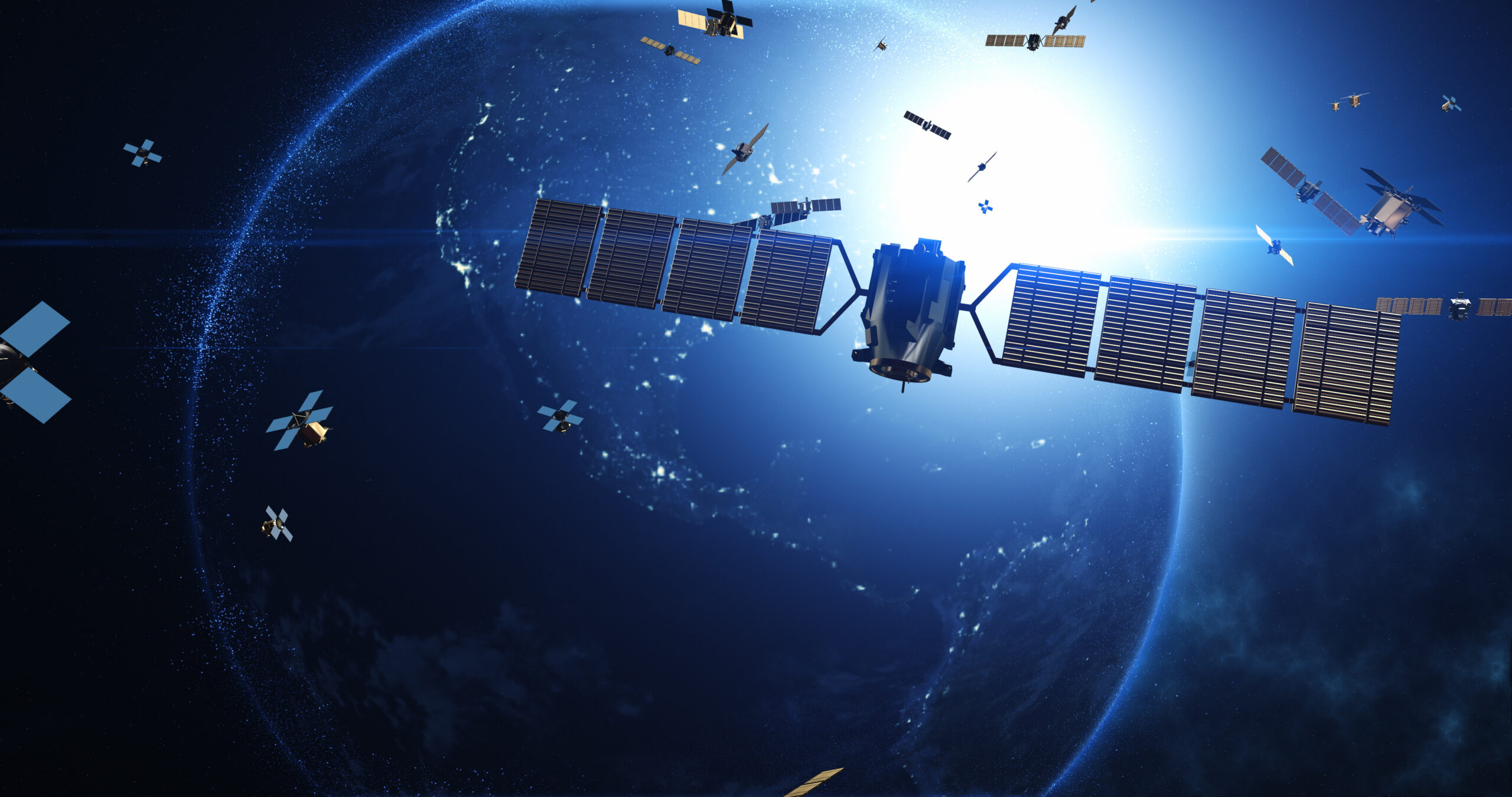
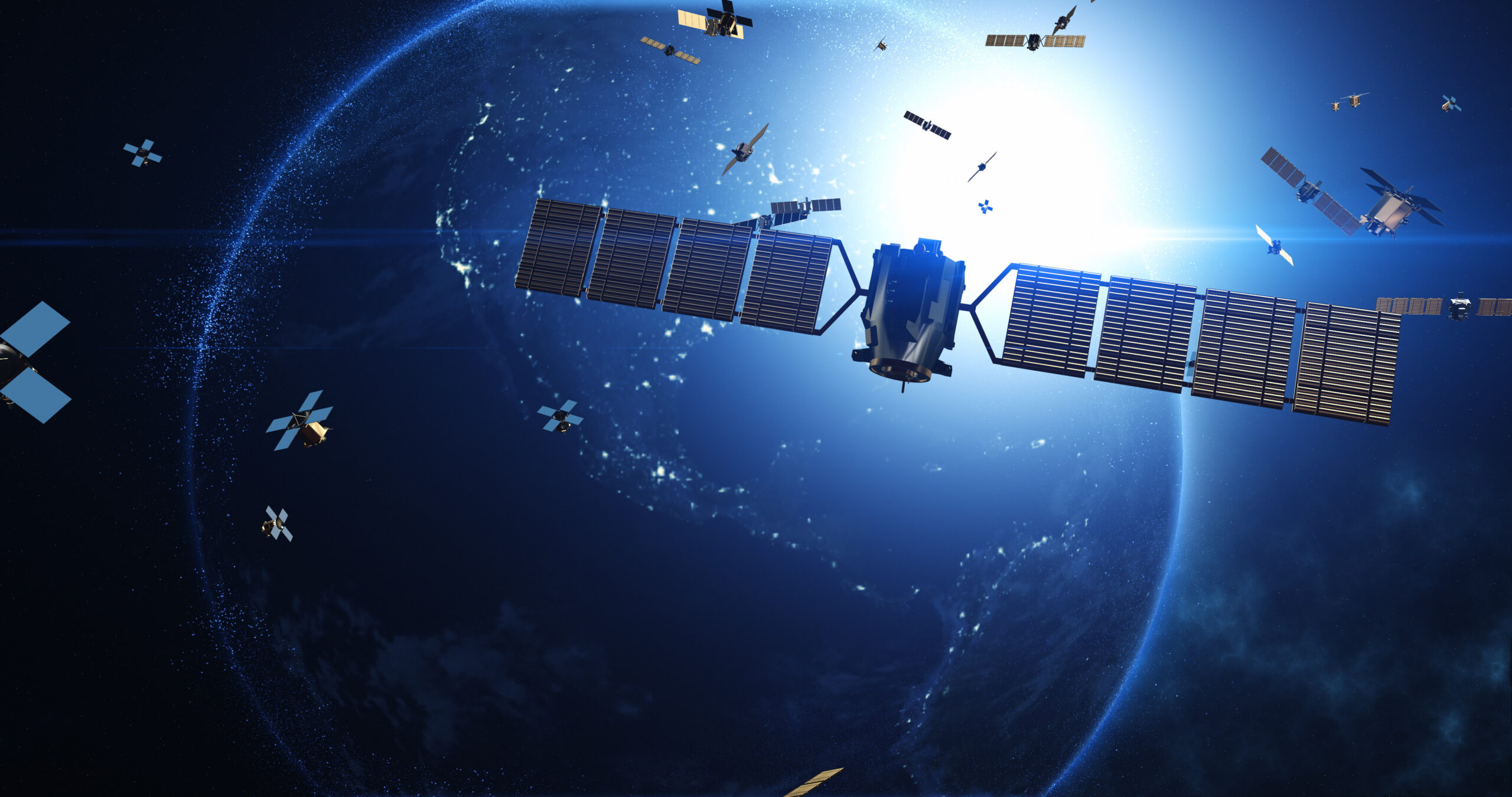
It’s another, potentially final, twist in Cayman’s ongoing satellite internet saga. In 2019 Musk’s Starlink launched the world’s largest constellation of low Earth orbit satellites, which provides a way to connect to the internet without using land-based cables and phone towers.
Starlink terminals allow people on earth to communicate with the satellites and access the internet and these terminals soon started appearing for sale in the Cayman Islands. But in 2024 the office, which is also known as URCO or OfReg, banned the sale of these terminals because Starlink wasn’t licenced to offer services on the islands.
Then, at the beginning of 2025, that decision was partially rolled back. The terminals could be sold but only used in emergencies – one of the advantages of satellite communications is that it can be more resilient to hurricanes than land-based internet infrastructure.
In September, OfReg unveiled a new regulatory framework that would allow satellite communication companies, like Starlink, to operate legally and offer their full range of services. And with Starlink Cayman Ltd. awarded a licence, Cayman consumers and businesses can fully avail of satellite communication technology for the first time.
Resilience and capacity
Satellite internet proved its worth during Hurricane Melissa, when it allowed for connectivity to be restored quickly to disaster hit parts of Jamaica. “Starlink facilitates fast emergency substitution, which has been evident in Jamaica,” said Michelle Marius, writing in ICT Tech. “Where fibre or mobile masts are down, a Starlink terminal plus a power source can restore broadband connectivity in hours or days rather than weeks or months.”
OfReg interim CEO, Sonji Myles, also mentioned disaster recovery as a key factor in creating the new licence. “The community has been clear that it wants satellite services and more resilient connectivity, and the framework and licence issuance are our response.
“This decision is about keeping the Cayman Islands connected, competitive, and future-ready. By enabling satellite services for the first time, we are expanding consumer choice, strengthening national resilience, and aligning Cayman with leading jurisdictions embracing innovation without compromising regulatory oversight.”
But satellite internet could have wider implications beyond disaster resilience. Financial service firms based in the Cayman Islands may increasingly look to options like Starlink for their business communications. In other countries Starlink has also entered the consumer market at low prices, gaining market share from the incumbent internet service providers.
It remains to be seen if Cayman’s incumbent internet companies, such as Flow, C3 and Digicel, decide to incorporate Starlink into their offering.