


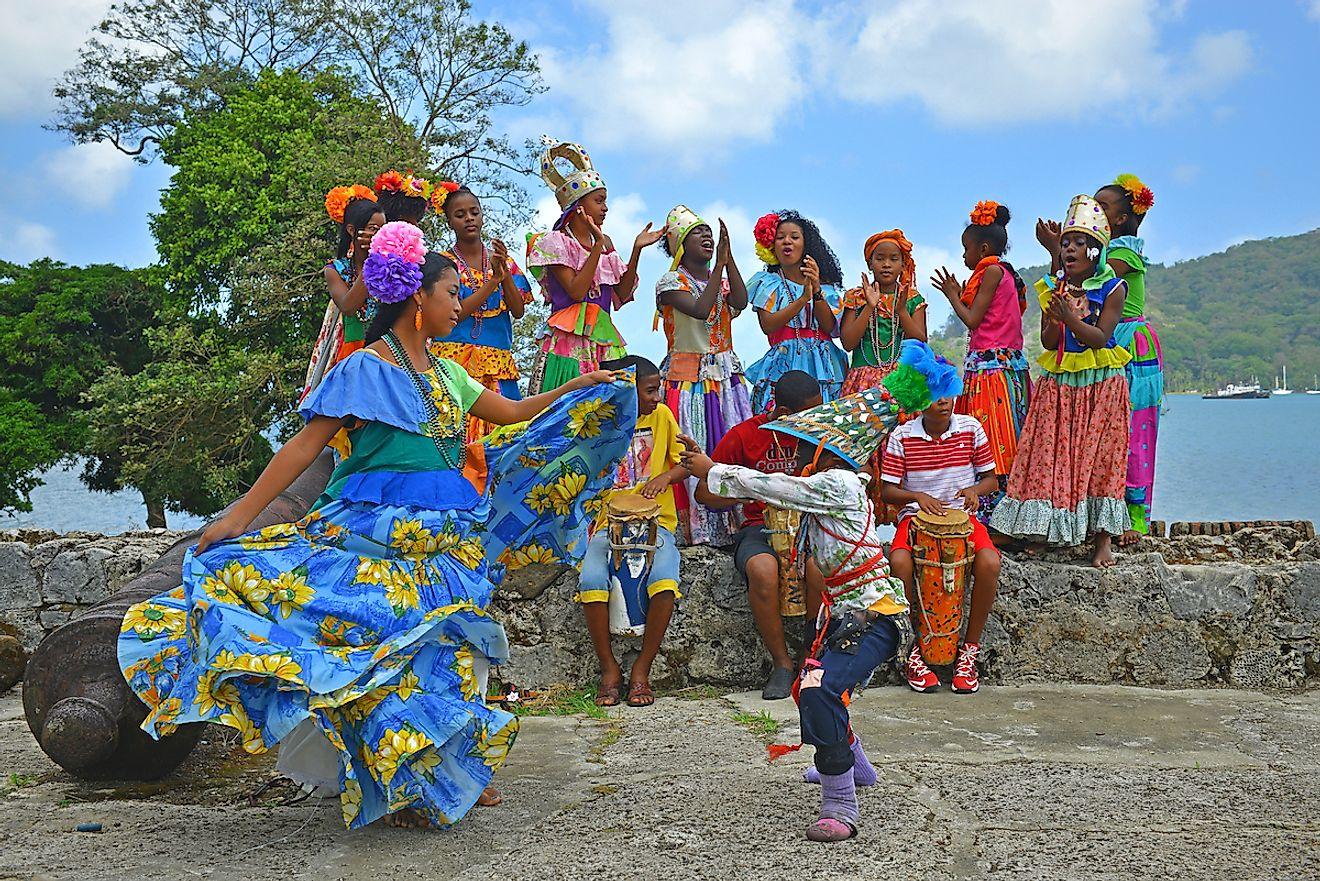
As the Caribbean continues to thrive as a premier travel destination, understanding the nuances of local customs has never been more essential for visitors eager to embrace the vibrant cultures of its islands. From the welcoming smiles of the locals to intricate social norms, each Caribbean nation boasts its own unique blend of traditions that reflect a rich tapestry of history, diversity, and community values. This article serves as a comprehensive guide to navigating the intricacies of Caribbean etiquette, highlighting essential practices that can enhance your travel experience while fostering mutual respect and understanding between visitors and residents. Whether you’re sipping rum on the beaches of Barbados or exploring the lush landscapes of Jamaica, being attuned to local customs ensures not only a more enjoyable trip but also a meaningful connection to the heart of the Caribbean.
Table of Contents
- Understanding Local Greetings and Communication Styles
- Respecting Cultural Norms and Traditions in Daily Interactions
- Guidelines for Gift Giving and Hospitality Practices
- Navigating Dress Codes and Dining Etiquette in the Caribbean
- Future Outlook
Understanding Local Greetings and Communication Styles
In the Caribbean, greetings are not just a formality; they are an essential part of daily interactions and reflect the warmth and hospitality that defines the region. When meeting someone for the first time, a friendly “Hello” or “Good day” is typically accompanied by a warm smile and, depending on the situation, a handshake or hug. In many islands, it’s customary to ask about a person’s well-being before diving into any discussion. This simple gesture signifies respect and interest in the other person, fostering a sense of community and connection among locals and visitors alike.
Additionally, communication styles can vary significantly across different islands, emphasizing the importance of being attentive to verbal and non-verbal cues. For example, in some areas, people might incorporate local dialects or creole expressions, adding a rich layer of cultural flavor to conversations. Understanding these nuances can greatly enhance interactions. Here are several key points to remember:
- Respectful Address: Use titles such as Mr., Mrs., or Miss as a sign of respect.
- Informal Interactions: Close friends often greet with nicknames or affectionate terms.
- Body Language: Maintain eye contact and open body posture to show engagement.
Respecting Cultural Norms and Traditions in Daily Interactions
When traveling through the Caribbean, understanding and honoring local customs can greatly enhance your experience and foster goodwill among residents. Each island boasts its own unique cultural identity, often reflected in local dialects, cuisine, and celebrations. Engaging with these traditions, whether through participation in festivals or enjoying regional dishes, not only shows respect but also enriches your journey. For instance, consider the following:
- Greetings: Use local salutations, such as “Wah gwaan?” in Jamaica or “Bonjour” in parts of Haiti.
- Dress Modestly: In religious settings or rural areas, modest clothing is appreciated.
- Dining Etiquette: Wait for a local to signal it’s time to start a meal and follow their lead on table manners.
Additionally, being aware of and respecting local holidays and events can further enhance your interactions. Each island celebrates its heritage and traditions in unique fashion, and understanding when and how these celebrations take place can provide insight into the local culture. The following table highlights some key celebrations across various islands:
| Island | Celebration | Date |
|---|---|---|
| Trinidad and Tobago | Carnival | February/March |
| Jamaica | Independence Day | August 6 |
| Barbados | Crop Over Festival | July/August |
Guidelines for Gift Giving and Hospitality Practices
Understanding the nuances of gift giving and hospitality in the Caribbean can significantly enhance your interactions and experiences. When invited to someone’s home, it is customary to bring a small gift as a token of appreciation. Common offerings include:
- A bottle of wine or rum – This is a popular choice and often appreciated.
- Homemade treats – Bringing something homemade can show thoughtfulness and effort.
- Fresh fruits or flowers – A local bouquet or seasonal fruits signifies goodwill.
In terms of hospitality practices, showing respect and warmth is paramount. Hosts usually go out of their way to make guests feel welcomed. It’s important to observe the following etiquette when receiving hospitality:
- Arrive on time – Punctuality shows respect for your host’s schedule.
- Express thanks – Compliment the meal or the atmosphere genuinely.
- Engage in conversation – Participate actively and listen attentively to foster a friendly environment.
Navigating Dress Codes and Dining Etiquette in the Caribbean
When visiting the Caribbean, understanding the nuances of dress codes can enhance your experience and show respect for local customs. Generally, the Caribbean embraces a laid-back vibe, where vibrant colors and light fabrics flourish. However, specific occasions may require a more polished appearance. For formal dining events, specifically in upscale resorts or restaurants, men should opt for long pants and collared shirts, while women are encouraged to wear elegant dresses or skirts. Beachwear is acceptable at casual venues but should be reserved for the beach and poolside; covering up is essential when transitioning to indoor dining areas. Remember to check the attire suggestions at your hotel or dining site, as many establishments have unique dress code requirements.
Dining etiquette is just as vital to ensure an unforgettable culinary experience. In the Caribbean, meals are often a communal affair, reflecting the region’s hospitality. Here are key practices to bear in mind:
- Culinary Timing: Punctuality shows respect; strive to arrive on time for dinner invitations.
- Start with Greetings: Always greet your host and other guests warmly before diving into food.
- Utensil Use: In some areas, it’s acceptable to eat with hands, particularly with traditional dishes—just be mindful of local customs.
- Express Gratitude: Thank your host and compliment the chef on the meal enjoyed; sincere appreciation resonates well.
Future Outlook
understanding and respecting the intricacies of Caribbean customs is essential for fostering positive interactions and enriching your travel experience in this vibrant region. By adhering to local etiquette, you not only demonstrate appreciation for the diverse cultures and traditions that define the Caribbean but also contribute to sustainable tourism practices that benefit local communities. As you embark on your journey, remember that every island and its people have unique customs and practices, making it all the more important to approach each destination with an open mind and a willingness to learn. With this guide in hand, you can navigate the customs of the Caribbean with confidence, ensuring your visit is both enjoyable and respectful. Safe travels!