


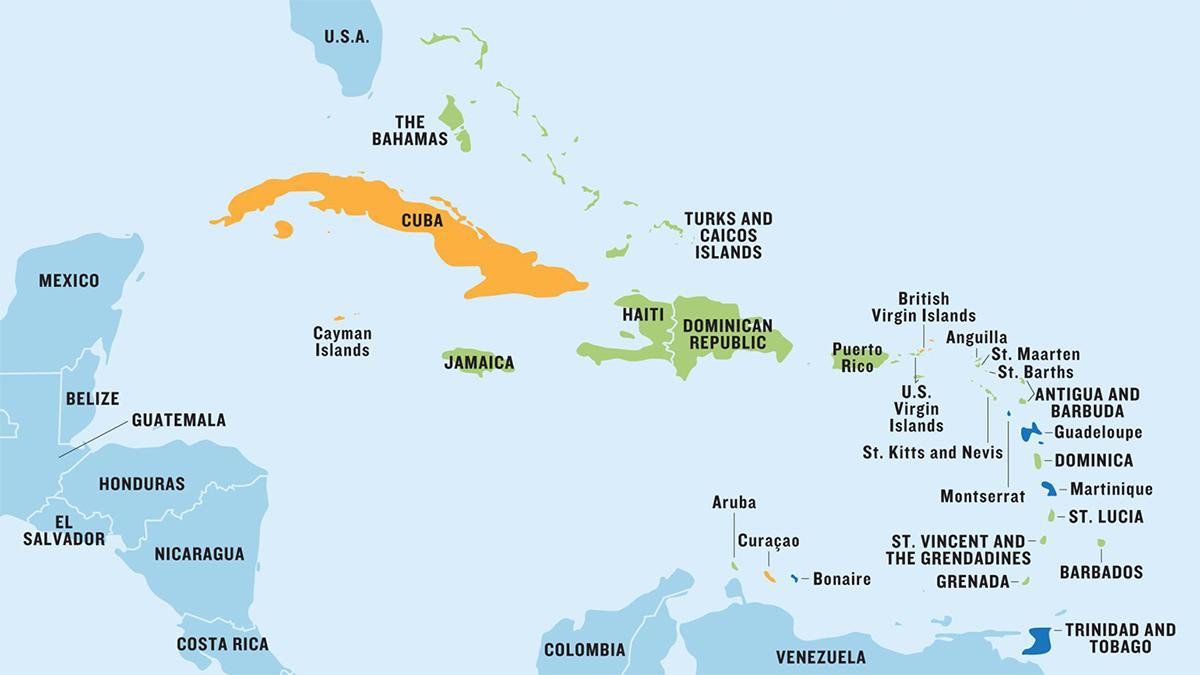
As the Caribbean diaspora continues to expand across the globe, its members encounter a complex web of challenges that are distinct to their cultural and geographical roots. While many Caribbean nationals have established successful lives abroad, the journey is often fraught with hurdles that reflect both their origins and the environments they inhabit. From issues of identity and cultural assimilation to economic disparities and discrimination, the experiences of Caribbean migrants are shaped by a multitude of factors that demand nuanced understanding and response. This article explores the unique challenges faced by the Caribbean diaspora, shedding light on both the obstacles and the resilience that define their journeys while highlighting the need for tailored support systems in their host countries.
Table of Contents
- Understanding Cultural Adaptation in Host Countries
- Addressing Economic Barriers Faced by Caribbean Migrants
- Building Robust Support Networks within the Diaspora
- Advocating for Policy Changes to Enhance Inclusion and Opportunity
- The Way Forward
Understanding Cultural Adaptation in Host Countries
Caribbean nationals often face intricacies in cultural adaptation as they relocate to host countries, where social norms and values may vastly differ from those in their homeland. Language barriers, unfamiliar legal systems, and distinct culinary traditions can create friction that complicates daily life. Moreover, the impact of cultural stereotypes and systemic biases may lead to feelings of isolation. To navigate these challenges, many individuals in the Caribbean diaspora actively seek community centers or networks that offer support and resources relevant to their experiences, including workshops, mentorship programs, and social gatherings that help bridge the cultural gap.
Understanding the nuances of cultural practices in host countries is essential for successful integration. This can involve learning about local customs, attending festivals, or even engaging in community service. Positive health outcomes and improved social well-being can often result from such meaningful interactions. Below is a table that highlights some specific cultural elements Caribbean expatriates may encounter and tips for adjustment:
| Host Country Elements | Adjustment Tips |
|---|---|
| Communication Styles | Observe and adapt to indirect vs. direct expressions. |
| Social Norms | Participate in local events to understand customs. |
| Cuisine | Explore cooking classes to share culinary practices. |
| Workplace Etiquette | Seek professional development opportunities in your field. |
Addressing Economic Barriers Faced by Caribbean Migrants
The Caribbean diaspora faces a multitude of economic barriers that significantly hinder their ability to thrive in foreign environments. Many migrants grapple with the challenge of limited job opportunities, often being restricted to low-wage positions that do not reflect their qualifications or experience. This reality is exacerbated by discrimination and lack of recognition of foreign credentials, which forces skilled professionals to accept employment far below their potential. Consequently, families are often left struggling to make ends meet, with limited access to essential services such as healthcare and education.
Moreover, the financial remittances that many migrants send back home are often diminished by high transaction fees and adverse exchange rates, impacting their families’ economic stability. To illustrate the economic challenges they face, consider the following table that outlines key barriers encountered by Caribbean migrants abroad:
| Economic Barriers | Impact |
|---|---|
| Limited Job Opportunities | Underemployment and financial strain |
| Disqualification of Credentials | Difficulty accessing appropriate employment |
| High Transaction Fees | Reduced remittance value for families back home |
| Language Barriers | Challenges in securing jobs and social integration |
Building Robust Support Networks within the Diaspora
Establishing strong connections within the Caribbean diaspora is essential for addressing the myriad challenges faced by individuals abroad. These networks offer crucial emotional support, practical assistance, and a sense of belonging that is often missing in a new environment. By fostering relationships with fellow migrants through community organizations, social media groups, or cultural events, members can share resources, strategies, and experiences that help them navigate life in a foreign country. Some key components of effective support networks include:
- Mentorship Programs: Connecting newcomers with experienced migrants who can provide guidance.
- Cultural Celebrations: Organizing events that celebrate Caribbean heritage and strengthen community bonds.
- Resource Sharing: Creating platforms to exchange information on employment, housing, and legal advice.
Furthermore, creating structured support groups can significantly enhance the resilience of diaspora populations. These groups can serve as safe spaces where individuals discuss shared experiences, cope with challenges, and collaborate on initiatives that advocate for their rights and interests in their host countries. A collaborative effort can manifest in various forms, including:
| Type of Group | Purpose |
|---|---|
| Job Networks | Facilitate job searches and career advancement. |
| Social Clubs | Provide leisure activities to foster friendship and community spirit. |
| Advocacy Groups | Address social issues and lobby for policy changes affecting Caribbean migrants. |
Advocating for Policy Changes to Enhance Inclusion and Opportunity
The Caribbean diaspora continues to encounter a myriad of obstacles as they navigate life abroad, necessitating urgent and focused advocacy for policy reforms. These individuals often find themselves facing systemic barriers that perpetuate disparities in access to education, employment, and healthcare. A concerted effort is required to ensure that policies reflect the unique needs and contributions of Caribbean migrants. Key areas for reform include:
- Inclusivity in Educational Access: Initiatives that provide scholarships and recognition of foreign qualifications can significantly alleviate barriers to education.
- Employment Discrimination: Enforcing anti-discrimination laws and creating mentorship programs can improve job opportunities for the diaspora.
- Healthcare Access: Policies that expand eligibility for healthcare services can enhance the overall well-being of Caribbean nationals abroad.
By highlighting the importance of these policy changes, the focus shifts towards fostering a more equitable environment for the Caribbean diaspora. Engaging policymakers through community forums and advocacy campaigns not only amplifies the voices of the diaspora but also illuminates their significant economic and cultural contributions. Additionally, collaborating with local organizations can pave the way for effective strategies that can mitigate the challenges faced by Caribbean migrants. To measure the potential impact of these changes, consider the following:
| Policy Area | Potential Outcome |
|---|---|
| Educational Reforms | Increased enrollment of Caribbean students in higher education |
| Workplace Equity | Lower unemployment rates among Caribbean immigrants |
| Healthcare Services | Improved health outcomes in Caribbean communities |
The Way Forward
the Caribbean diaspora continues to demonstrate remarkable resilience in the face of unique challenges abroad. From navigating complex immigration policies to overcoming cultural barriers and economic disparities, these communities embody a spirit of perseverance that enriches the global tapestry. As we acknowledge the multifaceted experiences of Caribbean individuals outside their homeland, it is imperative to foster supportive networks and policy frameworks that promote inclusion and opportunity. By addressing these obstacles head-on and amplifying the voices of the diaspora, we can work towards a more equitable future that honors their contributions and enhances their well-being in foreign landscapes. The journey may be fraught with difficulties, but the Caribbean spirit remains unbreakable, ensuring that their stories and struggles will continue to resonate far beyond borders.