


The Caribbean, a vibrant tapestry of cultures, stunning landscapes, and rich histories, is poised for a renaissance in its tourism sector. As the world gradually emerges from the shadows of the COVID-19 pandemic, regional leaders are spearheading innovative initiatives aimed at rejuvenating and diversifying their economies. These programs not only seek to attract a new wave of travelers but also aim to create sustainable growth that benefits local communities and preserves the unique environmental and cultural assets of the islands. From eco-tourism ventures to digital marketing campaigns that promote hidden gems, this article explores the latest strategies being implemented across the Caribbean to revitalize the tourism industry and accelerate economic recovery in a post-pandemic landscape. With a collaborative approach involving government, private sector stakeholders, and local communities, the Caribbean is charting a course toward a more resilient and prosperous future.
Table of Contents
- Exploring Sustainable Tourism Practices to Enhance Eco-Friendly Travel in the Caribbean
- Leveraging Technology to Boost Visitor Engagement and Experience in the Region
- Strengthening Regional Partnerships to Diversify Tourism Offerings and Attract New Markets
- Investing in Infrastructure Development for Improved Accessibility and Visitor Capacity
- Final Thoughts
Exploring Sustainable Tourism Practices to Enhance Eco-Friendly Travel in the Caribbean
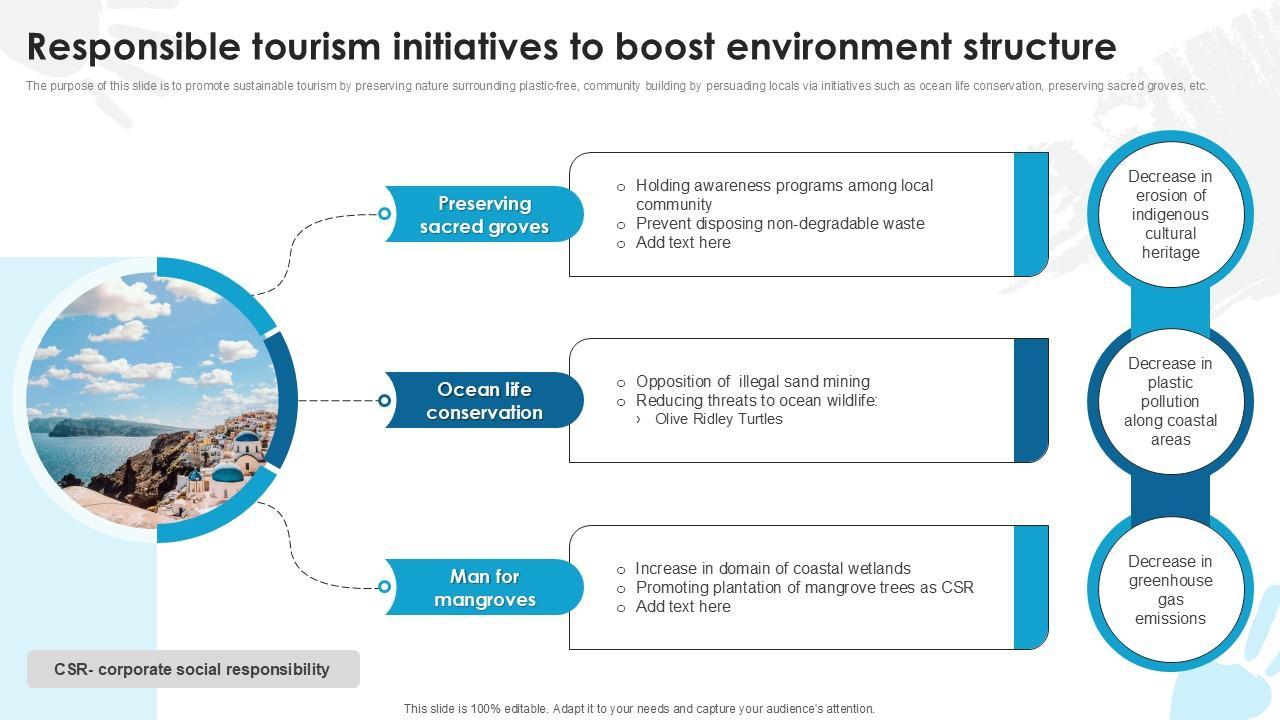
As the Caribbean embraces a new wave of initiatives aimed at enhancing economic growth, there is a significant focus on sustainable tourism practices that prioritize environmental stewardship. Recognizing the delicate balance between tourism development and ecological preservation, many Caribbean nations are implementing strategies to promote eco-friendly travel. These practices not only aim to reduce the carbon footprint of tourism activities but also seek to improve local communities’ livelihoods through responsible travel.
Key initiatives include:
- Community-Based Tourism: Local communities are encouraged to engage in tourism by offering authentic experiences that highlight culture and natural beauty.
- Conservation Partnerships: Collaborations with NGOs and local governments aim to protect natural resources, such as coral reefs, through sustainable tourism programs.
- Eco-Certification: Certification programs are developed to encourage businesses to adopt environmentally friendly practices and reward them for their efforts.
| Eco-Friendly Initiative | Benefits |
|---|---|
| Solar Energy Utilization | Reduces reliance on fossil fuels and lowers energy costs for resorts. |
| Wildlife Conservation Programs | Protects endangered species and preserves biodiversity, attracting eco-tourists. |
Leveraging Technology to Boost Visitor Engagement and Experience in the Region
Digital innovation is revolutionizing the visitor experience in the Caribbean, creating a seamless blend of culture and technology. As destinations adopt smart tourism technologies, travelers can now access a wealth of information at their fingertips. Features include:
- Mobile Apps: Customized applications provide personalized itineraries, local events, and offers that enhance travelers’ experiences.
- Interactive Kiosks: Located throughout tourist hotspots, these kiosks offer real-time information on attractions, dining options, and directions.
- Augmented Reality (AR): AR experiences transform conventional sightseeing into interactive adventures, allowing visitors to engage with historical narratives and local myths.
Furthermore, the integration of data analytics is helping stakeholders understand visitor preferences and behaviors. This information can be harnessed to tailor marketing efforts and improve service delivery. Some promising strategies include:
| Strategy | Description |
|---|---|
| Social Media Engagement | Utilize platforms like Instagram and Facebook to showcase local experiences and gather feedback. |
| Experience Personalization | Use visitor data to create customized recommendations, fostering a deeper connection to the region. |
| Real-time Feedback | Implement tools that allow visitors to share their experiences instantly, leading to immediate improvements. |
Strengthening Regional Partnerships to Diversify Tourism Offerings and Attract New Markets
In the pursuit of enhancing the Caribbean’s economic landscape, fostering collaborative relationships among regional stakeholders has become critically important. Through strategic alliances, destinations can innovate their tourism portfolios by combining unique local experiences with shared resources. This collaboration opens doors to multi-destination offerings, enabling travelers to enjoy a diverse range of activities across multiple locales without redundancy. Key initiatives include:
- Joint festivals and events that showcase cultural heritage and attract diverse audiences.
- Cross-promotional marketing strategies leveraging the strengths of each island or region.
- Collaborative training programs to equip local businesses with essential skills for thriving in a competitive tourism market.
By actively pursuing these partnerships, the region can not only draw new visitors but also create a more resilient tourism economy. For instance, a unified approach to eco-tourism or wellness retreats could appeal to niche markets looking for sustainable and holistic travel experiences. The following table illustrates potential collaborative themed packages:
| Theme | Participating Islands | Target Audience |
|---|---|---|
| Eco-Adventure | Dominica, St. Lucia, Grenada | Nature Enthusiasts |
| Cultural Heritage | Barbados, Jamaica, Trinidad | History Buffs |
| Luxury Wellness | Bahamas, St. Kitts, Aruba | Health & Wellness Travelers |
Investing in Infrastructure Development for Improved Accessibility and Visitor Capacity
Investing in infrastructure development is essential for enhancing accessibility and accommodating a growing number of visitors to Caribbean destinations. As tourism continues to be a key driver of economic growth in the region, strategic improvements in transport and public facilities can significantly boost the visitor experience. The introduction of modern airports, expanded road networks, and upgraded port facilities will facilitate smoother travel, allowing tourists to explore the diverse attractions within island nations.
Furthermore, targeted investments in infrastructure can promote sustainability and provide local communities with improved amenities. Potential initiatives include:
- Smart transportation systems: Implementing digital solutions for real-time travel information.
- Green energy sources: Utilizing solar and wind power in major tourist areas.
- Public space enhancements: Developing parks and cultural centers that reflect local heritage.
Exploring these possibilities not only increases visitor capacity but also fosters a sense of community and responsible tourism, ultimately leading to a robust and sustainable economic framework for future growth.
Final Thoughts
the innovative tourism initiatives emerging across the Caribbean present significant opportunities for economic growth and sustainability in the region. By prioritizing collaboration among stakeholders, embracing technology, and focusing on sustainable practices, Caribbean nations are positioning themselves not only as premier tourist destinations but also as models for resilient economic development. As these initiatives take root, they promise to reinforce the Caribbean’s status as a vibrant and dynamic hub for international tourism, ultimately contributing to the prosperity and well-being of its communities. As stakeholders continue to adapt and evolve in response to global trends, the potential for a brighter, more sustainable future for Caribbean tourism and its economic landscape remains within reach. It is imperative that both local governments and private sectors remain committed to these initiatives to ensure lasting impact and growth.