


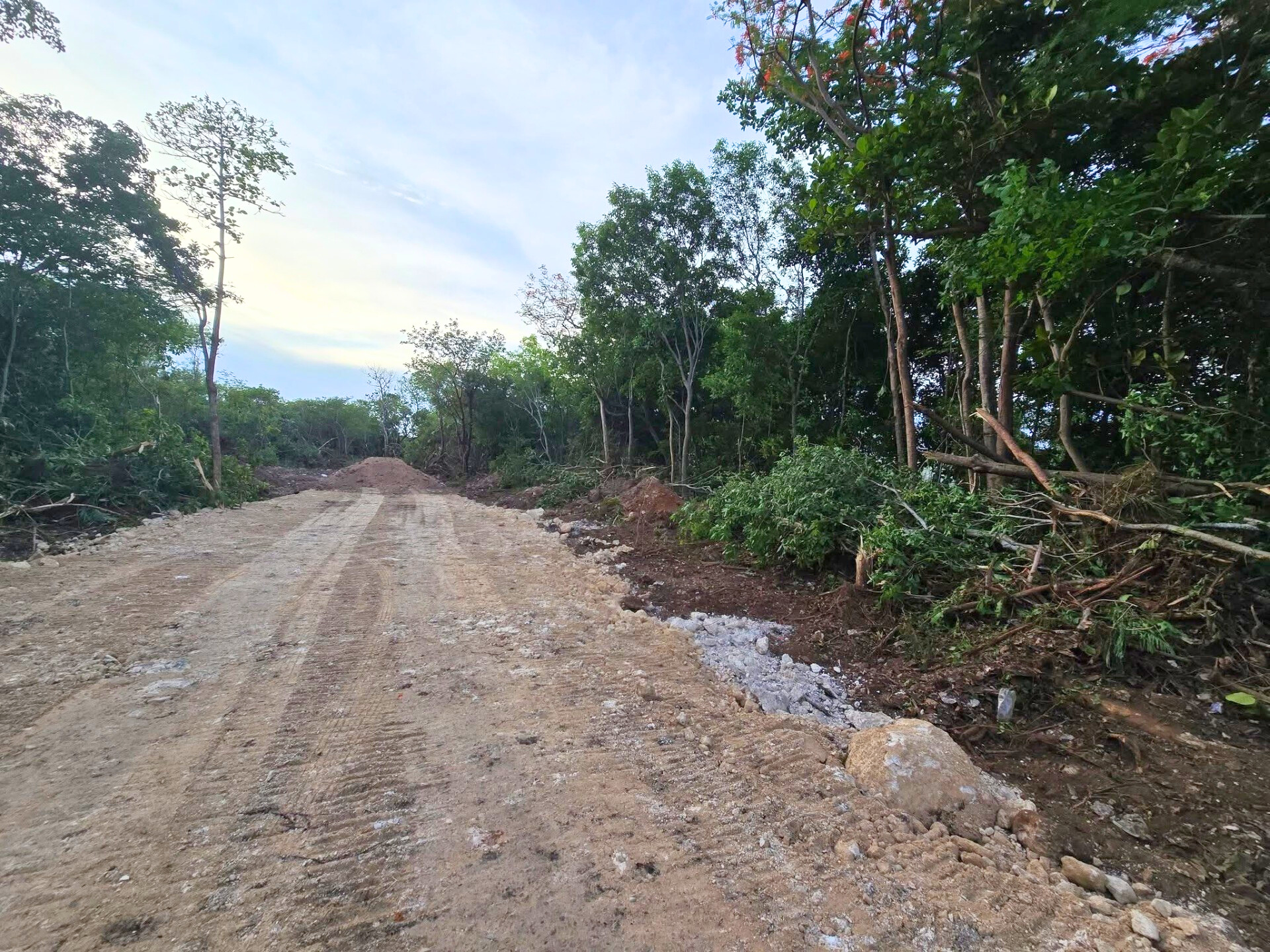
The proposed International Mall Ltd. development along Walkers Road in George Town has ignited frustration and anger on social media after heavy equipment recently started clearing trees – an action developer Sam Thevasaeyan has defended as the project awaits appeal.
The initial planning application for the development was approved by the Central Planning Authority but is now subject to an appeal by the objectors to the development.
The developer, who previously built City Plaza on Crewe Road and City Walk on Maple Road in George Town, applied last year for permission to erect three, two-storey commercial buildings and seven, two- and three-storey townhouse buildings on the 4.36 acres of land.
As a result of the application, more than two dozen people lodged objections to the proposed $40 million development, which would be located on the vacant land near the intersection of Walkers Road and Ellery Merren Drive in the vicinity of Vigoro Nursery.
In its feedback to the Central Planning Authority with regard to the application, the Department of Environment noted that the site is on “primary habitat”, which represents more mature growth and typically includes dry shrubland and forests.
“These habitats are often very old, existing long before humans, and may consist of endemic and ecologically important species,” the department wrote.
“Primary habitat is in severe decline, particularly in George Town, and becoming a scarce and highly threatened resource as a result of land conversion for human activities island wide.”
The department advised the building designers to reconsider the entire site layout to preserve as much native vegetation as possible.
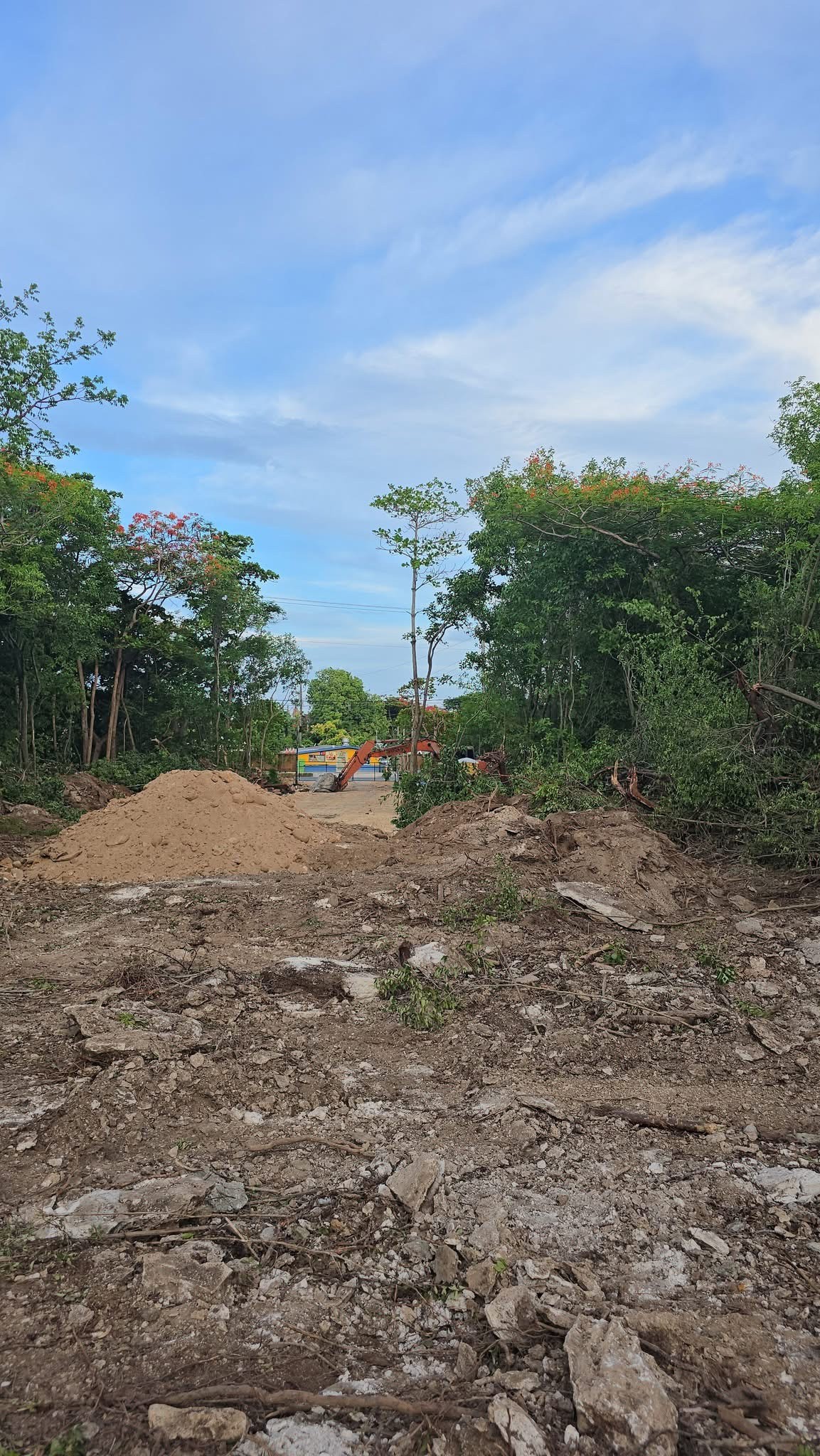
Under the existing planning laws and regulations, after the initial approval, the developer is legally allowed to clear most of the trees while an appeal is pending.
Thevasaeyan, who said he checked with the Planning Department before he started clearing the property and was told it was allowed, said he also cares about the environment greatly and he tried to do the right thing.
“We gave the silver thatch palms to the garden nursery [Vigoro] next door, and we kept a lot of Christmas palms for ourselves, and we plan to use them on the property and for our other developments,” Thevasaeyan said.
The developer added that he is Caymanian and that people have been going on his property without permission. He said he has now received death threats, which he has referred to the police.
“If the owners, the Merrens and the Watlers, had wanted to keep the land, they could have done so, or they could have sold it to government,” he added. “But they sold it to me, and I have invested $5 million in the property and now I am paying $40,000 a month in finance charges.”
Despite being legally allowed to do so, Thevasaeyan’s clearing of the property has ignited a firestorm of criticism.
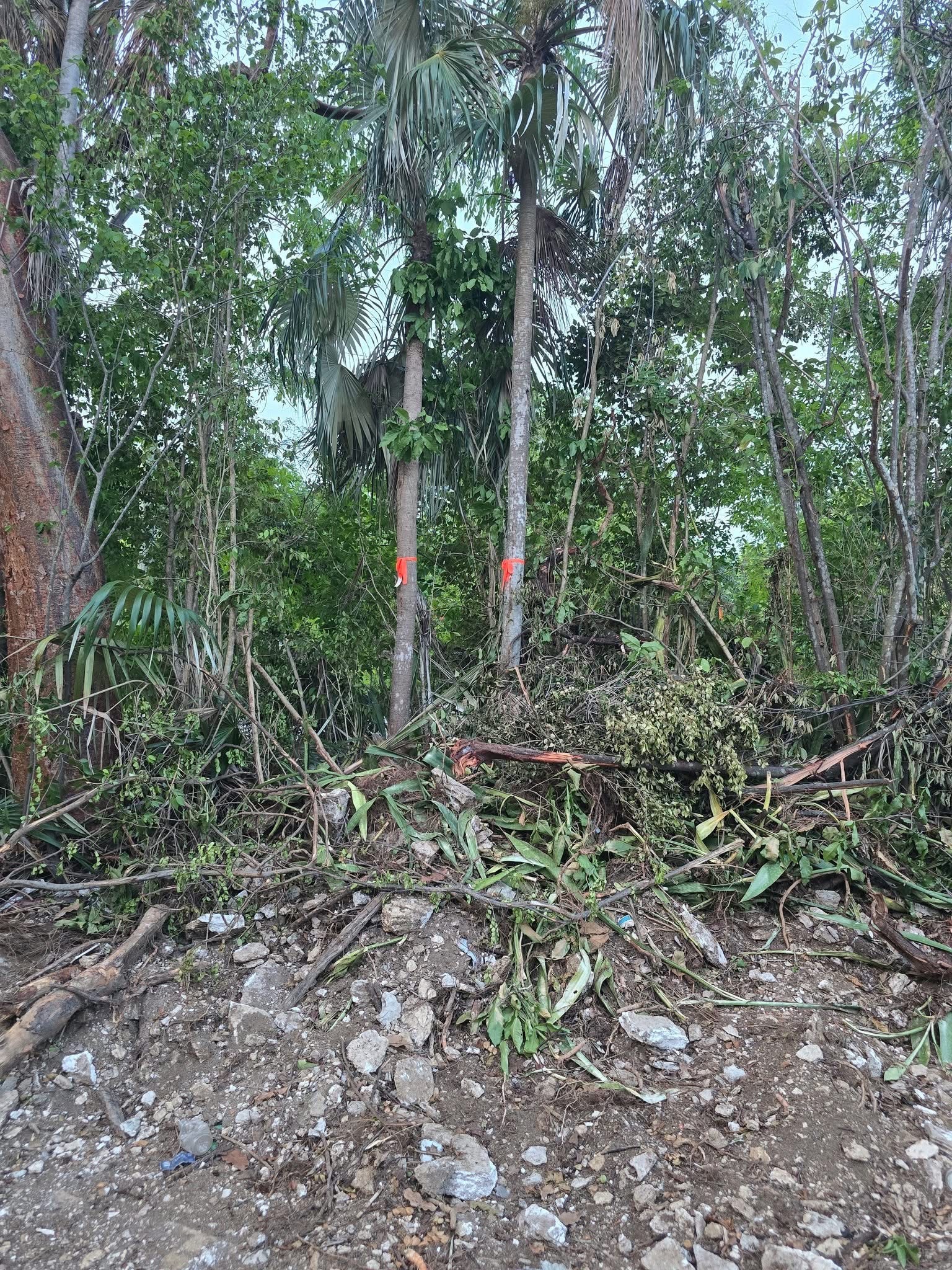
When pictures of the cleared land and endangered silver thatch palms started appearing on social media, numerous people voiced their frustration.
“The island was once so beautiful, and they are slowly paving over paradise,” said Jeff Freeman on Facebook in one of dozens of comments.
“Sad to see this “progress;” the seller is as guilty as the buyer,” said Jesse Arch in one Facebook comment, while Lorna Bush described the land clearance as “a national tragedy” in another comment.
In response to the clearing of trees on the land, Frank Roulstone, director of the National Trust for the Cayman Islands, said, “The trust is obviously saddened and disturbed by the wholesale destruction of our natural and built heritage every day on all three islands.
“Much of the damage is irreversible and our natural ecosystems are being replaced by sterile concrete and asphalt wastelands decorated with non-native plants imported from other countries. We need to address this as a country, as the trust as a single entity is powerless to do anything much about it.”
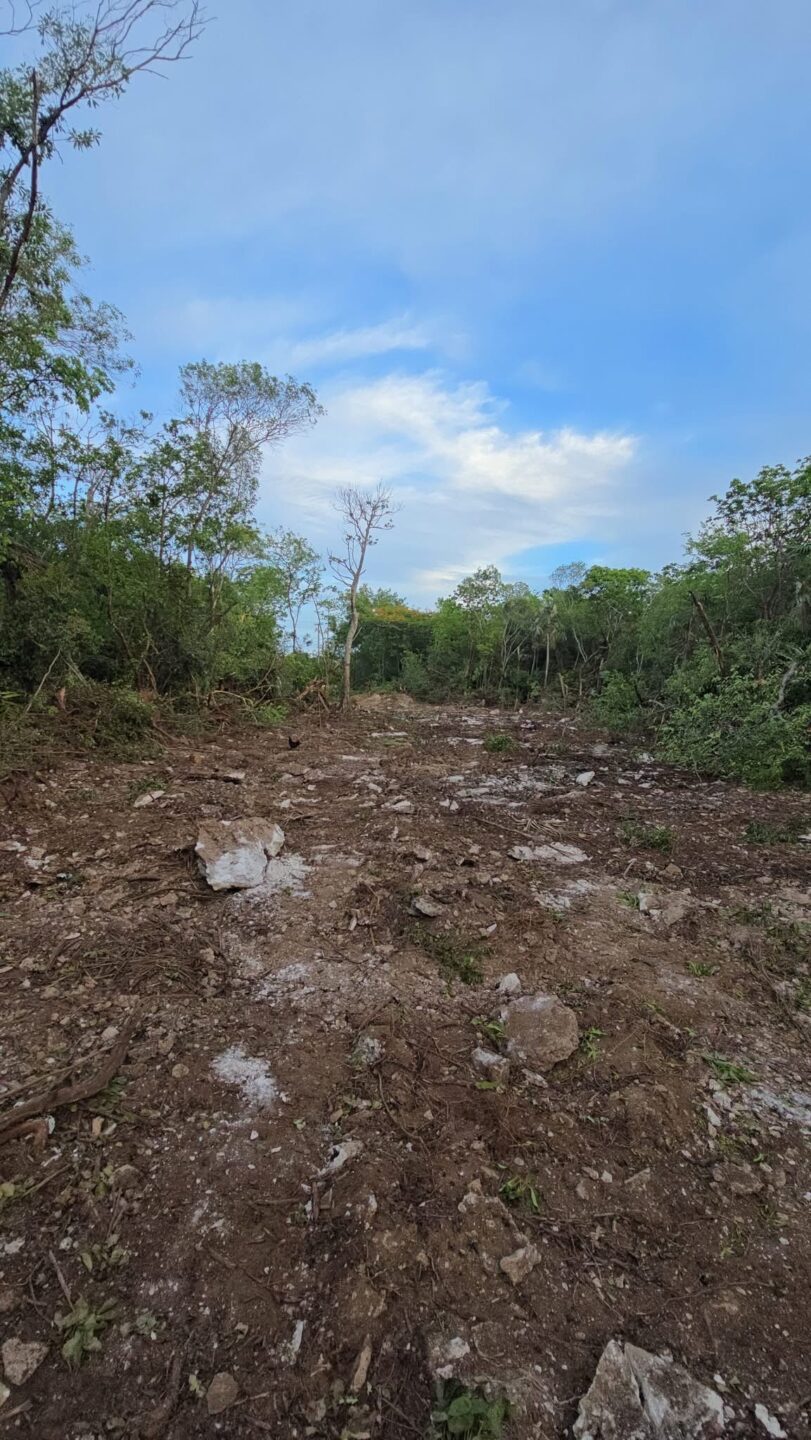
The executive committee of Sustainable Cayman said, “We’re increasingly alarmed by the pattern of mature native trees being cleared for new developments – often with little effort to retain existing shade or biodiversity.”
The non-profit organisation added, “Current planning regulations fall short. Replanting after clearing 50+ year-old silver thatch, guinep or almond trees is not a solution. These trees provide real carbon storage, shade, food and wildlife support – functions that take decades to replicate. We believe Cayman must revise its planning laws to require genuine biodiversity retention.”
Sustainable Cayman suggests a minimum 20% native vegetation retention on commercial and condominium-scale projects.
“This should be separate from any landscaped communal areas and designed to protect the ecological character of the site,” it said.
“More importantly, we should be encouraging a shift in mindset: Build with nature, not over it. Planning should require developers to work around large endemic and native trees and accommodate existing vegetation as part of the design – rather than giving permission to clear sites completely and planting back later for show.”
The project is due to go before the Planning Appeals Tribunal in October.