


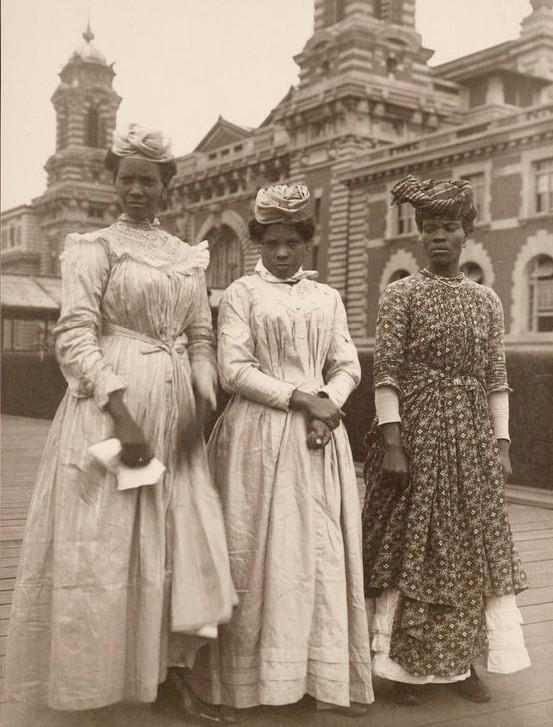
In today’s increasingly interconnected world, language serves as both a bridge and a barrier. For Caribbean immigrants seeking to establish roots in new communities, linguistic challenges can hinder integration and limit opportunities for personal and professional growth. As they navigate their new surroundings, language barriers often emerge as significant obstacles to effective communication, employment, and social inclusion. This article aims to provide valuable insights and actionable tips for Caribbean immigrants striving to overcome these barriers. By exploring resources, support systems, and strategies tailored to enhance language proficiency, we seek to empower individuals in their journey toward successful integration in their adopted homes. With a focus on fostering understanding and embracing cultural diversity, we highlight the importance of language as a tool for unity and collaboration across communities.
Table of Contents
- Understanding the Importance of Language Proficiency in Community Integration
- Effective Communication Strategies for Caribbean Immigrants in Diverse Environments
- Local Resources and Support Networks to Enhance Language Skills
- Cultural Sensitivity and Interaction: Bridging Gaps Beyond Language
- Future Outlook
Understanding the Importance of Language Proficiency in Community Integration
Language proficiency serves as a fundamental pillar for successful community integration, particularly for Caribbean immigrants navigating new environments. A strong command of the local language not only facilitates communication but also fosters connections with community members, enhances access to services, and opens doors to employment opportunities. Understanding cultural nuances, idiomatic expressions, and even humor can significantly improve social interactions, reducing feelings of isolation and enhancing the sense of belonging. Without adequate language skills, individuals may struggle to engage in essential activities, from attending school events to participating in local discussions, potentially hindering their integration journey.
To support the development of language proficiency, community organizations and local governments can implement various initiatives. These may include:
- Language Classes: Offering free or subsidized classes that cater to different proficiency levels.
- Conversations Partners: Pairing newcomers with native speakers for informal language practice.
- Cultural Workshops: Hosting events that celebrate Caribbean traditions while promoting language development.
Additionally, utilizing technology such as mobile apps and online resources can provide flexible learning options. Creating an inclusive environment where language diversity is celebrated encourages immigrants to practice and feel confident in their abilities, ultimately leading to stronger community ties.
Effective Communication Strategies for Caribbean Immigrants in Diverse Environments
For Caribbean immigrants navigating diverse environments, adapting to new cultures and communication styles can present significant challenges. Leveraging effective communication strategies is crucial for building relationships and achieving social integration. One approach is to immerse oneself in the local culture by participating in community events or workshops, which not only enhances language skills but also fosters connections with others. Utilizing technology, such as language learning apps or translation tools, can bridge immediate gaps in communication. Additionally, engaging in conversation with local residents, even when faced with miscommunication, encourages a learning atmosphere where both parties can grow and understand each other’s backgrounds.
Another vital component of successful communication in multicultural settings is active listening. By being attentive and asking clarifying questions, one can demonstrate respect for the speaker’s perspective while improving comprehension. It may also be beneficial to adapt non-verbal communication cues, as gestures and expressions can vary significantly across cultures. Consider participating in structured language exchange programs where immigrants can practice with native speakers in a supportive setting. To further enhance this experience, here’s a table showcasing effective communication techniques:
| Technique | Description |
|---|---|
| Active Listening | Focus fully on the speaker, avoid distractions, and respond thoughtfully. |
| Cultural Adaptation | Learn about non-verbal cues and expressions used in the local culture. |
| Language Exchange | Pair with native speakers for mutual language practice and cultural sharing. |
| Community Engagement | Participate in local events to improve language skills and build relationships. |
Local Resources and Support Networks to Enhance Language Skills
Accessing local resources can significantly bolster language skills for Caribbean immigrants. Various organizations and community centers offer workshops, tutoring, and conversation groups aimed at enhancing English proficiency. These programs not only provide instruction but also foster a welcoming environment for learning and socializing. Residents are encouraged to explore opportunities at:
- Public Libraries: Many libraries host language classes and conversation clubs.
- Community Colleges: Adult education programs often include English as a Second Language (ESL) courses.
- Cultural Centers: Local organizations may offer language exchange programs and cultural integration workshops.
Additionally, support networks play a crucial role in the language acquisition journey. Connecting with fellow immigrants or locals who share the same goals can provide motivation and practical practice opportunities. Consider participating in:
| Network Type | Description | Contact |
|---|---|---|
| Language Exchange Groups | Meetups where participants practice languages with one another. | Email or local meetup platforms |
| Non-Profit Organizations | Group sessions focused on language learning and cultural exchange. | Visit local non-profits |
| Social Media Communities | Online forums dedicated to language practice and support. | Facebook, Reddit, etc. |
Cultural Sensitivity and Interaction: Bridging Gaps Beyond Language
Integrating into a new culture goes far beyond mere words; it requires an understanding of cultural nuances and social dynamics. For Caribbean immigrants, embracing local customs while respecting their own heritage is crucial for fostering meaningful connections. Effective interaction can often be facilitated by:
- Active Listening: Pay attention to non-verbal cues and context to grasp the speaker’s full meaning.
- Community Involvement: Join local groups or organizations to learn about cultural norms and establish relationships.
- Social Engagement: Attend cultural events or festivals that celebrate local traditions, allowing for deeper interaction.
By understanding and respecting the cultural fabric of their new environment, Caribbean immigrants can build bridges that transcend language barriers. Creating opportunities for dialog can lead to greater awareness and appreciation on both sides, enhancing social cohesion. Simple tactics can include:
| Tip | Benefit |
|---|---|
| Share Your Culture | Builds trust and connection. |
| Ask Questions | Shows interest and respect. |
| Practice Empathy | Enhances mutual understanding. |
Future Outlook
overcoming language barriers is an essential step for Caribbean immigrants as they navigate their new environments and strive for integration in diverse communities. By utilizing available resources—such as language classes, community programs, and supportive networks—individuals can build not only their language skills but also their confidence in social interactions and professional settings. It is vital for local governments, organizations, and residents to foster inclusive atmospheres that celebrate diversity while providing the necessary support for language acquisition. As the Caribbean diaspora continues to enrich society with its cultural heritage, breaking down language barriers becomes a pathway towards stronger connections, greater opportunities, and a united community. With collective effort and understanding, the journey to integration can be made smoother, ensuring that every voice is heard and valued in the vibrant tapestry of our society.