


Legalising abortion or changing the definition of marriage to include same-sex couples are unlikely to be on the agenda of the next government – whoever wins this month’s general election.
All three party leaders indicated little appetite for reform on two sensitive issues where Cayman’s Christian identity clashes with international human rights norms.
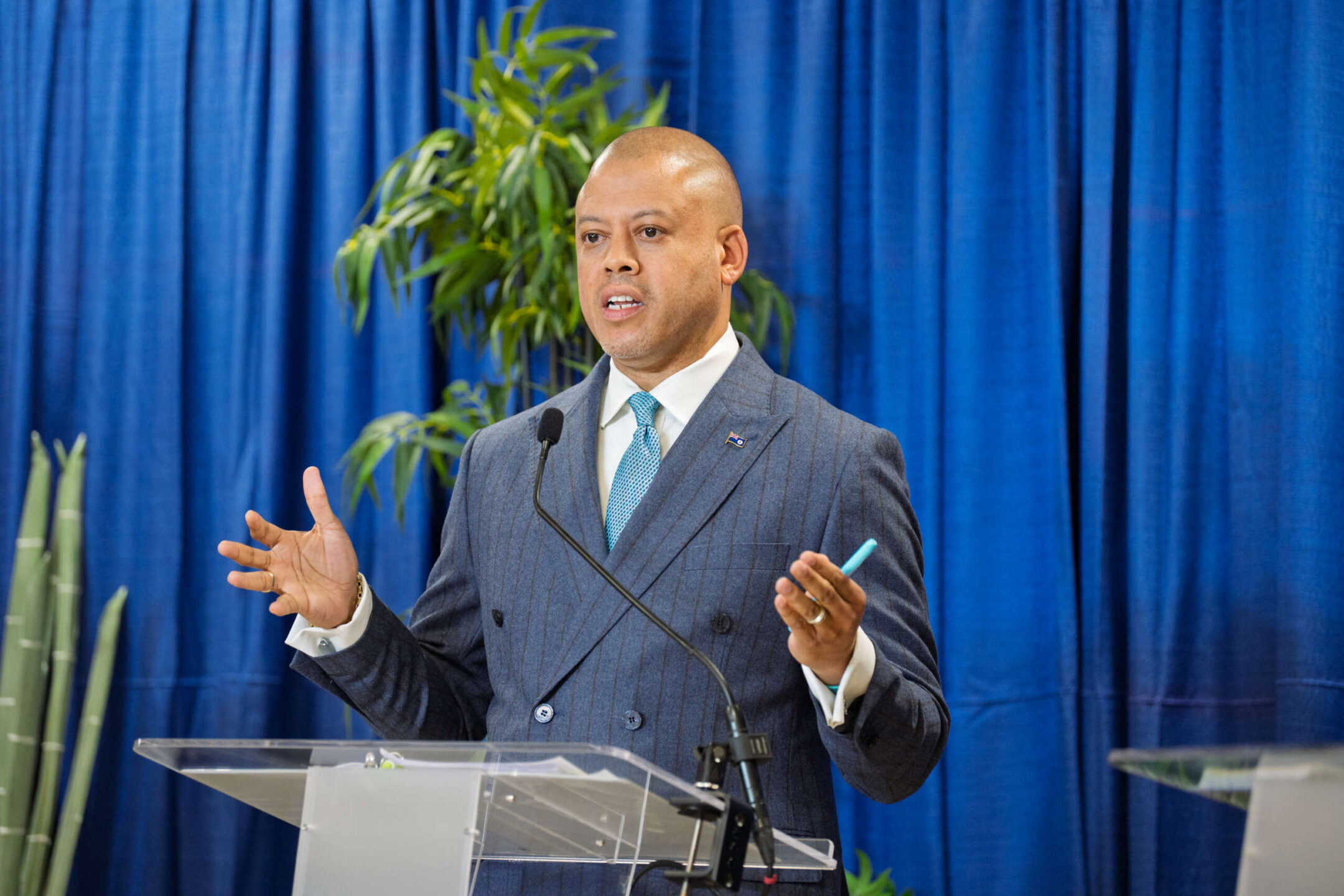
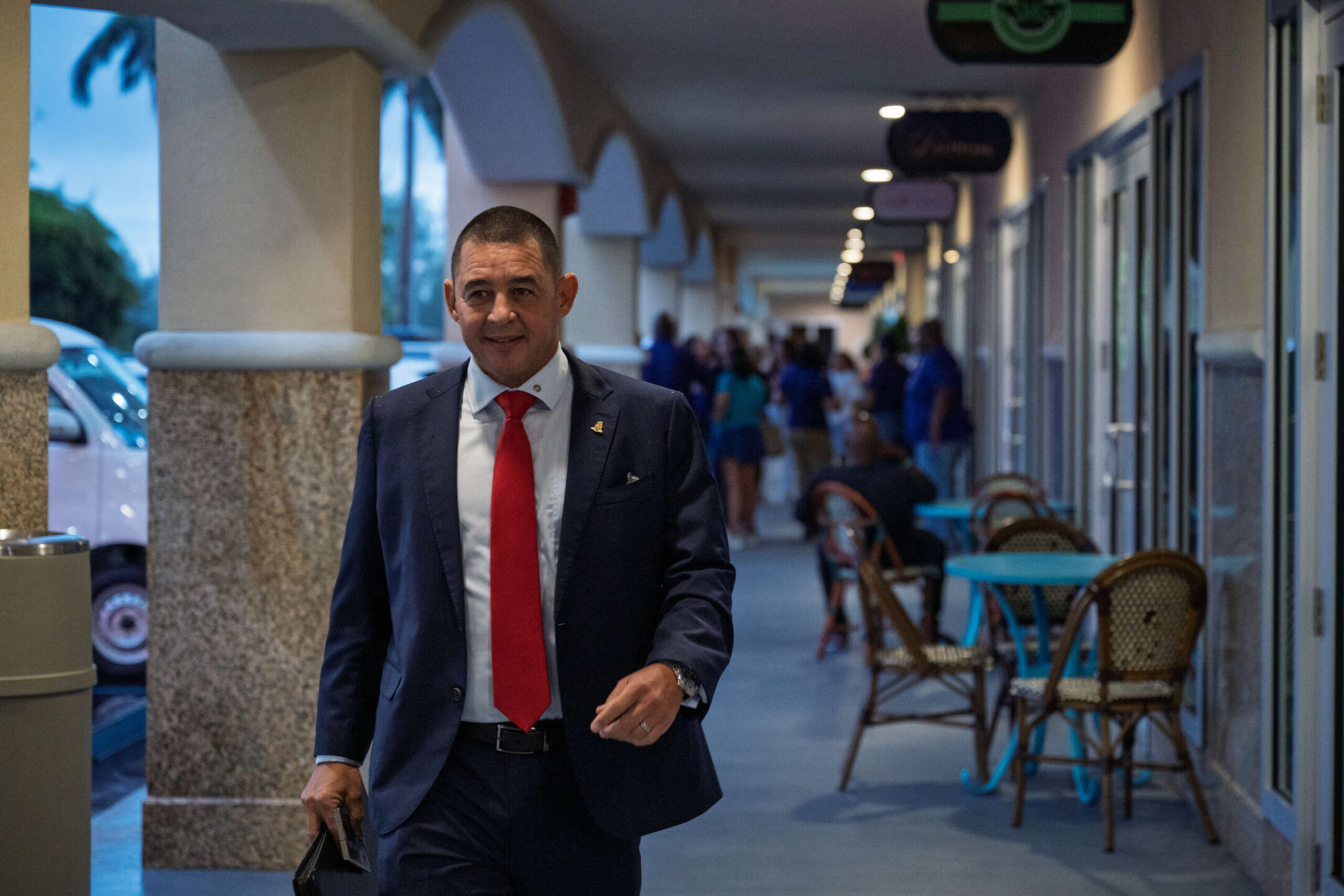
Quizzed on the issues during Wednesday’s leadership debate, Progressives leader Joey Hew, leader of The Caymanian Community Party André Ebanks and Cayman Islands National Party leader Dan Scott, presented a rare united front.
Abortion is still banned in Cayman except in cases where it is necessary to save the life of the mother, and is listed as an offence in the Penal Code, a situation that the Law Reform Commission has described as ‘draconian’. The commission has recommended legalising abortion without restriction up to 24 weeks into a pregnancy.
None of the leadership candidates said they would be willing to implement that recommendation.
Ebanks said he understood the commission’s approach which takes into account global standards. But he said a wider community discussion was needed around the moral and social implications.
He added that Cayman should consider its own culture and fabric as part of the discussion. He did acknowledge however that the law may need to be tweaked to consider what happens in the case of rape. Under the penal code it is currently still illegal for a rape victim who becomes pregnant to get an abortion.
Scott said he did not support the legislative reforms proposed, saying they were “far off” the current feeling in the country both on abortion itself and on the wider issue of having “international standards imposed without considering our own culture”.
He said in the past families had rallied round to help raise children born in difficult circumstances.
“A life is critically important to us,” he said.
On a night when the party leaders sought to emphasise differences between them on policy and personality, this was an issue on which they were united.
“I think we finally found something that we all agree on,” said Hew.
“This topic requires a much broader national discussion. This is not for any politician to decide on behalf of this country, and personally, I certainly cannot support abortion without any restrictions.”
No appetite for further reform on same-sex partnerships
On same-sex marriage, all three men said they would not be looking to alter the constitutional definition of marriage in Cayman as a union between a man and a woman.
Under pressure from the UK over human rights concerns, Cayman did introduce a Civil Partnerships Act in 2020 which offers equivalent legal rights to marriage for same-sex couples who register their partnerships. That was forced through by Governor Martyn Roper using his reserved power, after being voted down in Parliament, and is currently under review by the Privy Council.
Hew said he had voted for and supported civil unions but suggested any further reform would face strong community opposition.
“There is strong objection to going against the definition of marriage as man and woman,” he said.
Ebanks said he supported the maintenance of the civil union legislation which he believes has satisfied Cayman’s international legal obligations. To go beyond that, he said, would require a national discussion and likely a referendum.
Scott agreed, arguing that this was a “generational issue” and the international community should allow Cayman to move at its own pace towards reform.
“If you ask my mother, who is 92 years old, she has one view on it. If you ask me, I’m fairly open, you love who you love, and it’s up to you. If you ask my kids, they have another view.
“So it is generational, and much like they’ve had in the UK, where it took time to move this forward one way or the other; the same will happen in Cayman.”