


Introduction:
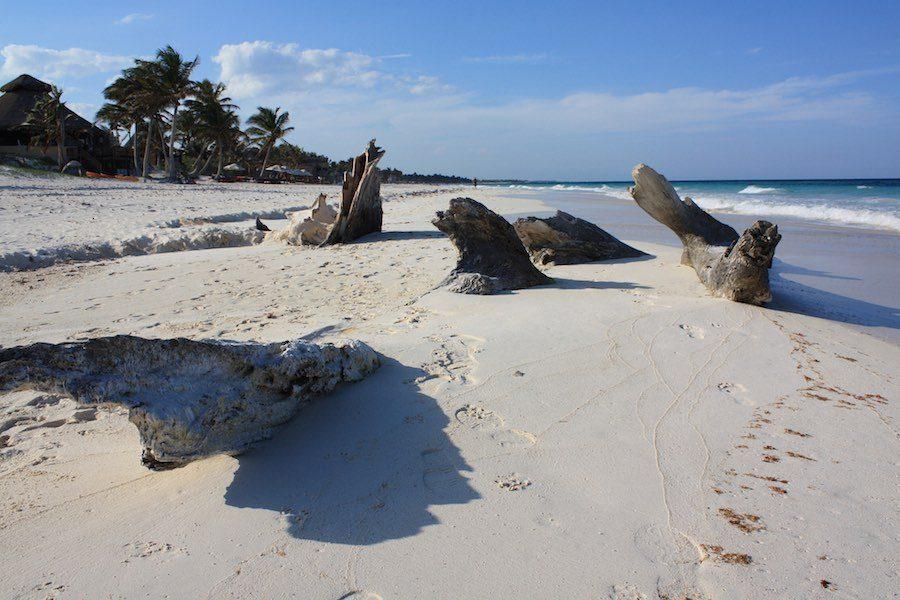
As the sun dips beneath the horizon and the gentle sound of waves lapping against the shore creates a soothing melody, the Caribbean islands stand out as a jewel of natural beauty and biodiversity. Known for their pristine beaches, vibrant coral reefs, and crystal-clear waters, these paradisiacal destinations attract millions of visitors each year. However, beneath this idyllic surface lies a pressing environmental challenge: beach erosion. The very shores that define the Caribbean’s allure are gradually receding due to factors such as climate change, rising sea levels, and human activity. This article delves into the critical issue of beach erosion in the Caribbean, exploring the causes, the implications for local ecosystems and economies, and the innovative solutions being implemented to preserve these cherished landscapes for generations to come. Join us as we uncover the efforts being made to combat this urgent crisis and protect the paradise we hold dear.
Table of Contents
- Understanding the Causes of Beach Erosion in the Caribbean
- Innovative Solutions for Restoration and Protection of Coastal Ecosystems
- Community Engagement: The Role of Local Stakeholders in Beach Preservation
- Sustainable Tourism Practices to Mitigate Environmental Impact on Beaches
- Insights and Conclusions
Understanding the Causes of Beach Erosion in the Caribbean
Beach erosion in the Caribbean is a multifaceted phenomenon driven by both natural and human-induced factors. Climate change plays a significant role, as rising sea levels encroach upon shorelines, exacerbating the loss of sand and weakening coastal ecosystems. Additionally, severe weather events such as hurricanes and tropical storms lead to increased wave action and sediment displacement, further contributing to the degradation of beaches. Human activities, including coastal development, sand mining, and deforestation, strip the natural barriers that protect shorelines, making them more vulnerable to erosion. Furthermore, concrete and other hard structures along coastlines can disrupt natural sediment flow, preventing the replenishment of sand on beaches.
Understanding the causes of beach erosion also involves recognizing the importance of marine life and ecosystems in protecting coastlines. Healthy coral reefs, mangroves, and seagrass beds act as natural buffers against wave energy and sediment loss. Unfortunately, factors like pollution, overfishing, and climate change threaten these vital ecosystems, leading to a domino effect on beach stability. To address this issue, it’s essential to gather data and analyze the impact of various stressors on beach health. A simple overview of these factors can be illustrated in the table below:
| Factor | Description |
|---|---|
| Climate Change | Increased sea levels and extreme weather events. |
| Coastal Development | Construction projects that disrupt natural beach processes. |
| Marine Ecosystem Health | Coral reefs and mangroves that protect against erosion. |
| Pollution | Runoff damaging marine life and coastal integrity. |
Innovative Solutions for Restoration and Protection of Coastal Ecosystems
As coastal communities grapple with the realities of climate change and its impact on sea levels, innovative solutions have emerged to restore and protect precious ecosystems. Living shorelines serve as a prime example of how natural elements can be leveraged to safeguard beaches while preserving biodiversity. These eco-friendly alternatives to traditional hard engineering methods utilize native plants, sand, and rocks to create natural barriers that stabilize shorelines, enhance habitats, and promote healthier marine life. By tapping into the power of nature, we can combat erosion effectively and ensure that our sandy shores remain vibrant for generations to come.
Implementing biodegradable structures is another significant advancement in coastal protection. These structures, made from materials like coconut coir and jute, not only provide immediate support against erosion but also decompose over time, nourishing the surrounding environment as they break down. An increasing trend among Caribbean nations is the integration of community-driven initiatives that empower local populations to take an active role in ecosystem restoration. By fostering a sense of ownership and stewardship, these programs encourage sustainable tourism, ensuring that development occurs alongside conservation efforts, allowing both beachgoers and wildlife to thrive.
Community Engagement: The Role of Local Stakeholders in Beach Preservation
Local stakeholders play a pivotal role in shaping and implementing effective beach preservation strategies. Engaging community members, business owners, local governments, and environmental organizations fosters a collaborative effort towards protecting our precious shorelines. These stakeholders bring invaluable insights and resources to the table, leading to solutions that are both practical and sustainable. The integration of local knowledge with scientific data allows for initiatives that are more likely to succeed, considering unique environmental factors and community needs. Some key actions include:
- Hosting Workshops: Educational sessions can empower locals with knowledge about beach erosion, its causes, and potential solutions.
- Forming Partnerships: Collaboration between local governments, NGOs, and businesses can leverage resources for larger projects.
- Implementing Volunteer Programs: Coastal clean-up and restoration initiatives help foster a sense of ownership and responsibility among community members.
Moreover, public participation in decision-making processes heightens awareness and ensures that beach management plans reflect collective interests. Engaging youth through schools can help instill a sense of stewardship for the environment early on, fostering a future generation committed to conservation. The establishment of advisory boards composed of diverse stakeholders can provide ongoing guidance and adaptation of strategies as conditions change. Below is a simple table displaying various stakeholder contributions:
| Stakeholder Group | Contribution |
|---|---|
| Local Government | Policy-making and funding |
| Environmental NGOs | Research and educational resources |
| Business Owners | Sponsorship and local investment |
| Community Members | Volunteer efforts and advocacy |
Sustainable Tourism Practices to Mitigate Environmental Impact on Beaches
Adopting eco-friendly practices while enjoying the sun and surf is essential for protecting the delicate ecosystems that define Caribbean beaches. Travelers can contribute by choosing sustainable accommodations that prioritize environmental stewardship. These establishments often employ measures such as solar energy, water conservation systems, and waste reduction programs. Engaging with local communities through guided eco-tours not only enriches the travel experience but also supports the economy while keeping harmful impacts at bay. Beachgoers should aim to minimize their footprints by carrying reusable containers and bags, ensuring that litter doesn’t detract from the natural beauty.
Furthermore, volunteer opportunities for beach clean-ups provide an excellent platform for travelers to give back and raise awareness about conservation efforts. By collaborating with organizations that focus on habitat restoration, visitors can help combat erosion and protect the marine life essential to these ecosystems. Education on native plant preservation is also pivotal, fostering a deeper appreciation for local flora that stabilizes the beach environment. Below is a table outlining simple yet effective practices that both travelers and local businesses can adopt:
| Practice | Description |
|---|---|
| Plastic Reduction | Encourage the use of biodegradable materials and limit single-use plastics. |
| Coral Replenishment | Participate in initiatives aimed at reseeding coral reefs to enhance marine biodiversity. |
| Educational Workshops | Organize workshops that teach visitors about local ecology and sustainable practices. |
| Wildlife Protection | Support efforts to safeguard nesting areas for sea turtles and other endangered species. |
Insights and Conclusions
As we wrap up our exploration of the urgent issue of beach erosion in the Caribbean, it’s clear that preserving these pristine coastlines is not just an environmental imperative but also vital for the cultural and economic fabric of the region. The breathtaking beauty of Caribbean beaches draws millions of tourists each year, supporting local communities and economies. Yet, the very essence of these paradises is under threat from rising sea levels, climate change, and human activity.
Combating beach erosion requires a multifaceted approach, involving smart policy decisions, community engagement, and sustainable development practices. It’s essential that governments, NGOs, and local residents come together to implement innovative solutions, whether through natural barriers, beach nourishment programs, or rigorous ecological conservation efforts.
As stewards of this unique environment, we all have a role to play in safeguarding these vital ecosystems for future generations. By raising awareness, supporting local conservation efforts, and making informed choices in our travels, we can help ensure that the Caribbean remains a refuge of natural beauty and biodiversity.
The fight against beach erosion is ongoing, but with collective action and commitment, we can turn the tide. Let’s join hands to protect and preserve these tropical treasures—our paradise awaits!