


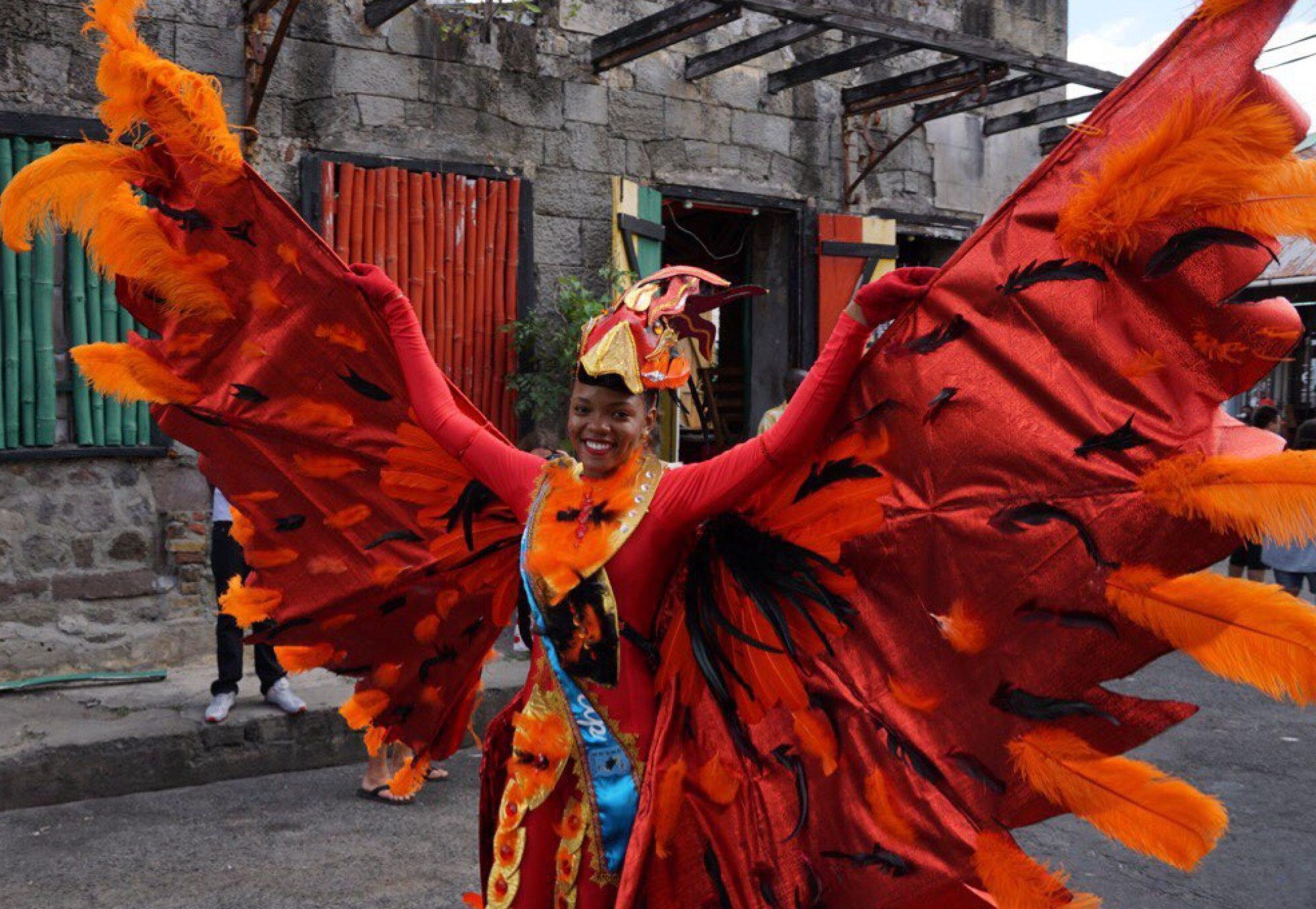
As the Caribbean diaspora continues to expand across the globe, it carries with it a vibrant tapestry of cultural traditions that define the region’s identity. From the rhythmic beats of calypso and reggae to the colorful celebrations of Carnival and the culinary delights of jerk chicken and roti, these cultural expressions serve as vital links to the homeland for millions of Caribbean people living abroad. Amid the challenges of assimilation and globalization, community organizations, cultural ambassadors, and family units are striving to preserve these rich traditions, ensuring that future generations remain connected to their heritage. This article examines the efforts being made to maintain and celebrate Caribbean cultural practices in diaspora communities, exploring the significance of these traditions in fostering identity, solidarity, and resilience among those far from their ancestral homes.
Table of Contents
- The Role of Community Centers in Upholding Caribbean Heritage
- Innovative Approaches to Celebrating Traditional Festivals Abroad
- The Impact of Culinary Traditions on Cultural Identity in the Diaspora
- Collaborative Efforts for Cultural Education and Intergenerational Engagement
- In Retrospect
The Role of Community Centers in Upholding Caribbean Heritage
Community centers serve as vital lifelines for Caribbean expatriates, acting as vibrant hubs of cultural exchange and preservation. These centers foster a sense of belonging, enabling individuals from diverse Caribbean backgrounds to gather and celebrate their shared heritage. Through various programs, they provide a platform for the following:
- Cultural Workshops: Activities such as cooking classes, dance workshops, and traditional music sessions, which help transmit skills and knowledge across generations.
- Festivals and Events: Annual celebrations like Carnivals and Independence Day parades allow the community to showcase their richness and promote unity.
- Language Classes: Courses to teach indigenous languages and dialects, essential for preserving the linguistic heritage of the Caribbean.
Moreover, community centers play a pivotal role in disseminating information about Caribbean history and its contribution to the broader societal fabric. They often host educational seminars and guest speakers who delve into historical topics, enhancing awareness among younger generations. The benefits extend beyond preserving cultural practices; they empower individuals to navigate identity challenges in new environments. This ongoing engagement and commitment ensure that Caribbean heritage remains a living, breathing entity, continually adapting yet steadfast in its roots, as highlighted in the following table:
| Community Center Activity | Purpose | Impact |
|---|---|---|
| Cooking Classes | Transmitting culinary traditions | Fostering cultural connection |
| Language Workshops | Preserving language heritage | Enhancing community identity |
| Cultural Festivals | Showcasing traditions | Building community pride |
Innovative Approaches to Celebrating Traditional Festivals Abroad
As Caribbean communities flourish across the globe, they continuously seek innovative ways to celebrate their rich cultural traditions. Organizers often embrace technology, utilizing social media platforms to create virtual events that connect diaspora members regardless of their geographical locations. Live-streamed festivals, interactive online workshops, and digital parades have emerged as effective means of not only engaging the youth but also ensuring that older generations can participate comfortably from their homes. Such innovations not only maintain the spirit of the festivals but also introduce new, hybrid formats that blend traditional practices with modern conveniences.
Moreover, collaborations with local artists and cultural institutions in host countries have become a hallmark of these celebrations. These partnerships offer opportunities to infuse local flavors into traditional festivities, fostering multicultural dialogues. For example, a Caribbean carnival might incorporate local music styles or dance forms, creating an inclusive atmosphere that honors both the Caribbean heritage and the host culture. This approach not only enriches the experience for participants but also raises awareness and appreciation of Caribbean culture among the broader community. Here are a few examples of successful innovations:
| Festival | Location | Innovative Approach |
|---|---|---|
| Carnevale | Toronto | Virtual Dance Workshops |
| Harbour Festival | London | Cultural Exchange with Local Artists |
| Spice Mas | New York | Hybrid Parade Experience |
The Impact of Culinary Traditions on Cultural Identity in the Diaspora
The culinary practices of the Caribbean diaspora serve as vital links to their heritage, allowing individuals to sustain a strong connection to their roots despite physical displacement. Traditional dishes, often passed down through generations, are not only markers of identity but also vessels of memory and storytelling. They bring together a rich tapestry of ingredients and techniques that reflect the diverse cultures from which these communities originate, such as:
- Spices and Flavoring: Distinctive seasonings like allspice and habanero peppers embody the essence of Caribbean cuisine.
- Cooking Techniques: Methods such as steaming and frying are key in preparing traditional dishes, preserving their authenticity.
- Gathering and Sharing: Meals often become communal events, reinforcing family bonds and fostering a sense of belonging.
In many diaspora communities, food festivals, cooking classes, and pop-up restaurants serve as platforms for cultural exchange and education. These events not only celebrate Caribbean culinary heritage but also introduce it to a broader audience, promoting understanding and appreciation across cultures. A glimpse into the culinary landscape reveals the diverse foods enjoyed in various regions, as shown in the table below:
| Cuisine | Signature Dish | Main Ingredient |
|---|---|---|
| Jamaican | Jerk Chicken | Allspice |
| Trinidadian | Pelau | Rice and Peas |
| Barbadian | Cou-Cou and Flying Fish | Cornmeal |
Collaborative Efforts for Cultural Education and Intergenerational Engagement
In the Caribbean diaspora, the preservation of cultural traditions hinges on collaborative initiatives that bring various generations together. These efforts often transcend geographical boundaries, creating strong networks that foster a deeper understanding of Caribbean heritage among younger members of the community. Local cultural organizations, schools, and community centers play vital roles in this educational journey by offering workshops and events that emphasize the importance of sharing traditional practices. By engaging youth with elder members who possess rich experiences, this intergenerational engagement becomes a powerful tool in safeguarding cultural identity.
Recent programs aimed at promoting such collaborative efforts have yielded impressive outcomes. For instance, partnerships with universities have initiated dialogues through cultural exchange programs, while online platforms allow for virtual mentorship that enables senior community members to share their knowledge. These initiatives encompass a variety of activities, including:
- Art and craft workshops focused on traditional Caribbean techniques
- Storytelling sessions that highlight folklore and oral histories
- Culinary classes showcasing ancestral recipes and cooking methods
Through these endeavors, communities are effectively bridging the gap between the past and the present, ensuring that the vibrant tapestry of Caribbean culture remains resilient and dynamic even beyond its shores.
In Retrospect
the preservation of cultural traditions among the Caribbean diaspora is not merely a nostalgic endeavor; it is a vital contribution to the rich tapestry of global society. As Caribbean communities adapt and thrive in new environments, they bring with them vibrant customs, culinary delights, music, and folklore that enrich the cultural landscape of their host countries. Organizations, local governments, and individuals play crucial roles in supporting these cultural expressions, ensuring that the heritage of the Caribbean continues to flourish far beyond its shores.
As we move forward, it is imperative to acknowledge and celebrate the resilience of these communities, recognizing that their traditions not only honor the past but also inspire future generations. By fostering dialog and collaboration, we can ensure that the diverse cultural contributions of the Caribbean diaspora are appreciated and preserved for years to come. Embracing this cultural exchange strengthens connections, promotes understanding, and enriches the global community, reminding us that our shared humanity is deeply rooted in the traditions we hold dear.