


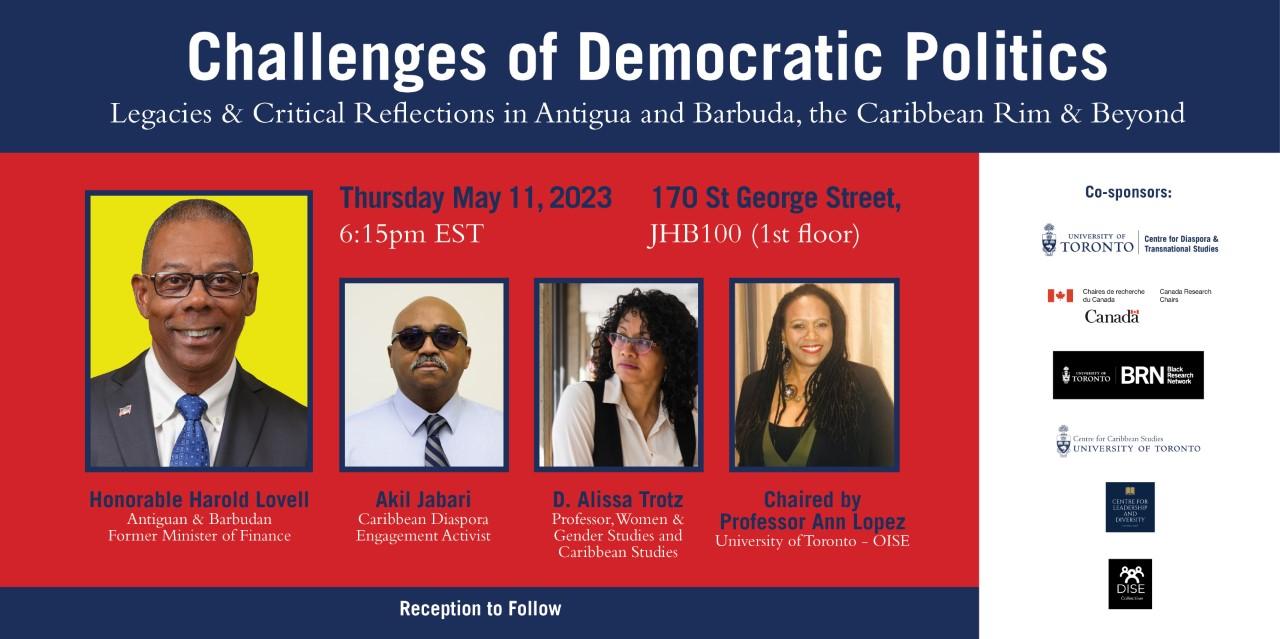
Introduction:
In an era marked by social upheaval and a renewed focus on equity and justice, leaders from the Caribbean diaspora are emerging as pivotal figures in the global movement for social change. These individuals, representing a tapestry of cultures and experiences, are leveraging their unique perspectives and platforms to advocate for transformative policies that address pressing societal issues. From grassroots organizing to high-level political advocacy, Caribbean diaspora leaders are not only raising awareness but also driving tangible actions aimed at dismantling systemic inequalities in their communities. This article delves into the contributions of these prominent figures, highlighting their impactful initiatives, collaborations, and the vital role they play in fostering dialog and promoting social justice both within and beyond their home countries.
Table of Contents
- Impactful Voices: How Caribbean Diaspora Leaders Influence Social Reform
- Innovative Strategies: Grassroots Approaches to Community Empowerment
- Building Bridges: Fostering Global Partnerships for Sustainable Development
- Empowering Future Generations: The Role of Education in Diaspora Activism
- To Wrap It Up
Impactful Voices: How Caribbean Diaspora Leaders Influence Social Reform
The Caribbean diaspora has emerged as a formidable force in advocating for social reform across various domains. Leaders from diverse backgrounds are leveraging their experiences, connections, and platforms to shape policies and advocate for marginalized communities. Their impact is particularly pronounced in areas such as education, health care, and human rights, where they champion initiatives that resonate with people both in their host countries and in the Caribbean. The following are key areas influenced by these leaders:
- Advocacy for Education Equity: Many diaspora leaders focus on improving access to quality education, particularly for underserved populations.
- Health Initiatives: They promote healthcare reform and raise awareness about issues like mental health and preventive care.
- Human Rights Campaigns: These leaders play critical roles in fighting for the rights of immigrants and advocating against discrimination.
To demonstrate the breadth of their influence, here’s a table that highlights a few prominent leaders and their contributions:
| Leader | Contribution | Area of Focus |
|---|---|---|
| Althea L. Brown | Founded a scholarship program for Caribbean students | Education |
| Dr. Michael Hansel | Initiated a mental health awareness campaign | Health Care |
| Eva Rodriguez | Led protests against unjust immigration policies | Human Rights |
Innovative Strategies: Grassroots Approaches to Community Empowerment
The Caribbean diaspora is witnessing a surge of grassroots movements spearheaded by influential leaders committed to fostering social change within their communities. These activists leverage local connections and cultural insights to create impactful frameworks that empower individuals and groups. Their strategies often include community organizing, educational workshops, and collaborative projects that prioritize the needs of those they represent. By focusing on the unique challenges faced by their communities, these leaders not only amplify voices but also cultivate a sense of ownership and responsibility among community members. This approach facilitates a cultural renaissance, encouraging a new generation to take active roles in shaping their futures.
Among the notable figures leading these initiatives, the following leaders stand out for their innovative contributions:
| Name | Initiative | Impact |
|---|---|---|
| Dr. Amina Johnson | Education Advocacy Network | Established scholarships for underprivileged youth |
| Carlos Rivera | Health Access Coalition | Improved health services in rural areas |
| Maria Thompson | Art & Culture Revitalization Project | Enhanced local arts education programs |
These leaders exemplify a transformative spirit that is intrinsic to successful community mobilization. By fostering environments where collaborative problem-solving and shared visions are at the forefront, they are igniting movements that inspire collective action and resilience. The commitment to grassroots strategies enables sustained engagement and empowers communities to advocate for their rights, thus ensuring a more equitable and just society for future generations.
Building Bridges: Fostering Global Partnerships for Sustainable Development
Across the globe, notable leaders within the Caribbean diaspora are emerging as potent advocates for social change, galvanizing resources and fostering partnerships that transcend borders. Among the pioneers in this movement, Dr. Deidre K. A. Palmer, a prominent educator and activist, has dedicated her efforts to mobilizing Caribbean communities in the diaspora to address prevalent issues such as poverty, education inequality, and climate resilience. Her initiatives have included partnerships with local governments and NGOs, emphasizing the importance of collaboration in creating sustainable solutions that benefit both the diaspora and their home countries.
Another leader making significant strides is Mr. Ricardo P. James, a social entrepreneur and founder of the Caribbean Social Justice Coalition. His innovative approach to community development focuses on empowering youth through comprehensive training programs and entrepreneurial support, enabling them to become change-makers in their communities. The coalition works diligently to build critical alliances with global organizations to enhance its impact, demonstrating that through unity and shared vision, a brighter, more sustainable future can be established for Caribbean nations. Below is a summary of their key initiatives:
| Leader | Key Initiative | Partnerships |
|---|---|---|
| Dr. Deidre K. A. Palmer | Education and Climate Resilience | Local governments, NGOs |
| Mr. Ricardo P. James | Youth Empowerment Training | Global organizations |
Empowering Future Generations: The Role of Education in Diaspora Activism
Education serves as a powerful tool for building the competencies of individuals within the Caribbean diaspora, enabling them to advocate effectively for social change. Activists like Marcia DeSain and Kenneth R. Williams have emphasized the importance of educational initiatives that equip future generations with critical thinking skills and a deep understanding of their cultural heritage. Through community programs, workshops, and mentorship, these leaders inspire young people to engage in activism, fostering a sense of responsibility and empowerment. By incorporating local history, social justice principles, and leadership training into educational curricula, advocates are nurturing a new wave of changemakers.
Furthermore, the integration of technology in education plays a vital role in connecting diaspora communities across the globe. Leaders are leveraging online platforms to create virtual classrooms and discussion forums where youth can share ideas, experiences, and solutions to pressing issues. Collaborative projects, such as community clean-ups and advocacy campaigns, are being organized through these digital spaces. The following initiatives demonstrate how education and diaspora activism work in harmony:
| Initiative | Description |
|---|---|
| Youth Advocacy Workshops | Hands-on training for students focused on negotiation, public speaking, and civic engagement. |
| Virtual Cultural Exchanges | Online programs connecting Caribbean youth with global peers to share perspectives and practices. |
| Community Research Projects | Collaborative research opportunities allowing youth to address local issues while applying academic skills. |
To Wrap It Up
the Caribbean diaspora continues to play a pivotal role in shaping social change across the globe. From grassroots activism to influential leadership positions, these prominent figures are not only advocating for their communities but also setting a powerful example of resilience and innovation. As they engage with issues ranging from climate justice to education reform, their contributions reflect a deep commitment to progress and equality. It is essential for policymakers and community stakeholders to recognize and support these leaders as catalysts for change, ensuring that the voices of the diaspora are both heard and integrated into broader societal discussions. As we move forward, the impact of their work will undoubtedly resonate, fostering hope and inspiring future generations to carry the torch of social advocacy within and beyond Caribbean borders. The journey of social change is ongoing, and with the dedication of such influential leaders, a brighter future appears within reach for all.