


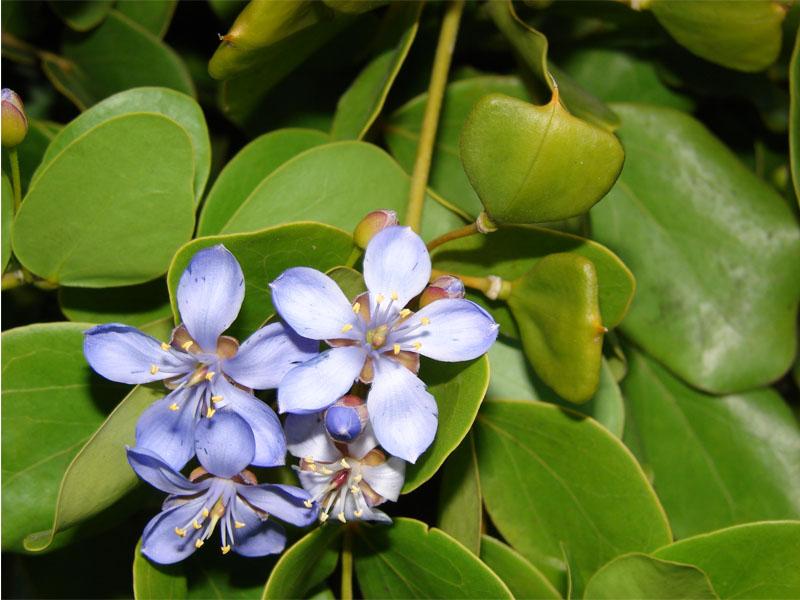
The Caribbean, often heralded for its stunning beaches and vibrant culture, is also a treasure trove of biodiversity. Within its lush landscapes, a unique array of plant species thrives, many of which are found nowhere else on Earth. However, the rich tapestry of Caribbean flora is now under significant threat. From the towering Hummingbird Tree to the delicate Ghost Orchid, countless plant species are facing the precarious edge of extinction due to climate change, habitat loss, and invasive species. As stewards of this beautiful ecosystem, it is our responsibility to recognize the urgent need for conservation efforts to protect these plants that are integral not only to the environment but also to the heritage and well-being of Caribbean communities. In this article, we will explore the plight of endangered Caribbean plants, highlight initiatives aimed at their preservation, and discuss how individuals and organizations can contribute to safeguarding this invaluable green heritage. Join us in this vital conversation and learn how you can be part of the solution to ensure a flourishing, biodiverse Caribbean for generations to come.
Table of Contents
- Understanding the Importance of Caribbean Flora for Biodiversity and Ecosystems
- Identifying Endangered Species and Their Unique Roles in Our Environment
- Effective Conservation Strategies for Protecting Caribbean Plant Life
- Community Engagement and Education: Empowering Local Efforts for Plant Preservation
- In Conclusion
Understanding the Importance of Caribbean Flora for Biodiversity and Ecosystems
The Caribbean region is home to an astonishing array of plant species, many of which are endemic, meaning they exist nowhere else in the world. This unique biodiversity is crucial for maintaining the balance of the ecosystems that depend on these plants. Endangered Caribbean flora play a pivotal role by providing essential services that sustain both the environment and local communities. For instance, they contribute to soil health, assist in water management, and promote climate regulation. Protecting these plants not only preserves their unique beauty but also secures the intricate web of life that relies on them.
Moreover, the loss of these species could disrupt habitat conditions for countless organisms, leading to a cascade of ecological consequences. Consider the following aspects highlighting their significance:
- Habitat Formation: Many unique ecosystems, such as mangroves and coral reefs, are sustained by the flora native to the Caribbean.
- Medicinal Value: Several plants have been used in traditional medicine, and their extinction could mean losing potential cures and treatments.
- Cultural Significance: Many plants are intertwined with the identity and heritage of Caribbean communities, holding invaluable cultural stories and practices.
Given the current threats of habitat destruction, climate change, and invasive species, immediate actions are necessary to safeguard these vital plants for future generations. Efforts in conservation, sustainable management, and education are essential steps towards protecting this green heritage.
Identifying Endangered Species and Their Unique Roles in Our Environment
Endangered species, particularly the unique flora of the Caribbean, serve crucial roles in maintaining the ecological balance of their environments. These plants provide essential services, such as carbon sequestration, soil stabilization, and habitat for various fauna. Some of the most threatened plant species, like the Hibiscus rigidus and Dorstenia gigas, not only contribute to biodiversity but also play a pivotal part in traditional medicinal practices among local communities. The loss of these species can disrupt intricate relationships within ecosystems, drastically affecting food webs and the survival of other organisms.
Identifying the unique traits of endangered Caribbean plants allows us to appreciate their contributions to cultural, aesthetic, and ecological values. For example, the West Indian Mahogany (Swietenia mahagoni) is celebrated not just for its timber but also for its role in sustaining important wildlife such as the Jamaican Blue Mahoe (Hibiscus elatus). Below is a brief overview of some endangered species and their ecological significance:
| Species | Ecological Role | Threats |
|---|---|---|
| Hibiscus rigidus | Pollinator attraction | Urbanization |
| Dorstenia gigas | Soil health improvement | Habitat destruction |
| West Indian Mahogany | Wildlife habitat | Logging |
| Jamaican Blue Mahoe | Cultural heritage | Climate change |
Effective Conservation Strategies for Protecting Caribbean Plant Life
To ensure the survival of the unique flora of the Caribbean, a multifaceted approach toward conservation is essential. Community engagement plays a pivotal role; educating local populations about the value of their native plant species fosters a sense of pride and responsibility. Furthermore, restoring natural habitats through reforestation and sustainable agricultural practices enhances biodiversity, creating environments where endangered plants can thrive. Establishing partnerships with local NGOs and government entities can amplify these efforts, leading to stronger implementation of conservation practices.
Additionally, research and monitoring are crucial components in understanding the challenges faced by endangered plant species. Conducting regular assessments of plant populations allows for early detection of threats, such as invasive species and climate change. The following strategies can effectively support conservation initiatives:
- Seed Banks: Preserve genetic material of endangered plants for future restoration efforts.
- Protected Areas: Establish reserves where unique ecosystems can be conserved.
- Restoration Projects: Reintroduce native species in areas from which they have been lost.
Moreover, collaboration with international conservation programs can lead to strengthened funding and resources. The table below illustrates some notable Caribbean plants at risk, alongside their current conservation status:
| Common Name | Scientific Name | Status |
|---|---|---|
| Jamaican Orchid | Oberonia hintonii | Endangered |
| Guanabana | Annona muricata | Vulnerable |
| Cuban Mahogany | Swietenia mahagoni | Near Threatened |
Community Engagement and Education: Empowering Local Efforts for Plant Preservation
Engaging the community in plant preservation efforts is essential for safeguarding the unique biodiversity of the Caribbean. Local workshops and educational programs can foster a deeper understanding of endangered plants and their ecosystems. With a focus on hands-on learning, individuals can be empowered to take active roles in conservation initiatives. For instance, community-led initiatives might include:
- Urban gardening projects that incorporate native species
- School programs that educate children about local flora
- Collaborative efforts with botanical gardens to host awareness campaigns
Furthermore, establishing partnerships with local organizations can amplify community involvement. By providing resources and support for grassroots projects, it becomes feasible to tackle larger conservation challenges. Local governments and NGOs can facilitate this by:
- Offering grants for community-led conservation activities
- Creating platforms for sharing success stories and strategies
- Building networks among citizens, scientists, and policymakers
To illustrate the impact of these community engagement initiatives, the table below highlights a few successful local programs:
| Program Name | Location | Focus Area | Year Established |
|---|---|---|---|
| Green Guardians | Jamaica | Community reforestation | 2018 |
| Caribbean Conservation Corps | Dominican Republic | Endangered species education | 2020 |
| Flora Protectors Initiative | Grenada | Invasive species control | 2019 |
In Conclusion
the plight of endangered Caribbean plants is a reflection of the broader challenges facing our planet’s biodiversity. As stewards of these unique ecosystems, it is imperative that we recognize the intrinsic value of our green heritage and take proactive steps to protect it. From advocating for conservation policies to supporting local initiatives, every action counts in securing a sustainable future for these precious species.
By raising awareness and fostering a deeper connection to our natural environment, we can inspire collective action to safeguard not just the plants, but the myriad of life forms that depend on them. Together, we can cultivate a culture of conservation that honors the remarkable diversity of the Caribbean, ensuring that future generations will inherit a vibrant and resilient landscape.
Let’s join forces in this vital mission—because the beauty of our islands is not just in their breathtaking vistas but also in the rich tapestry of life that thrives within them. Remember, protecting our green heritage is not merely an obligation; it is a privilege that we should collectively cherish and uphold. Thank you for joining us on this journey toward a greener, more sustainable future.