


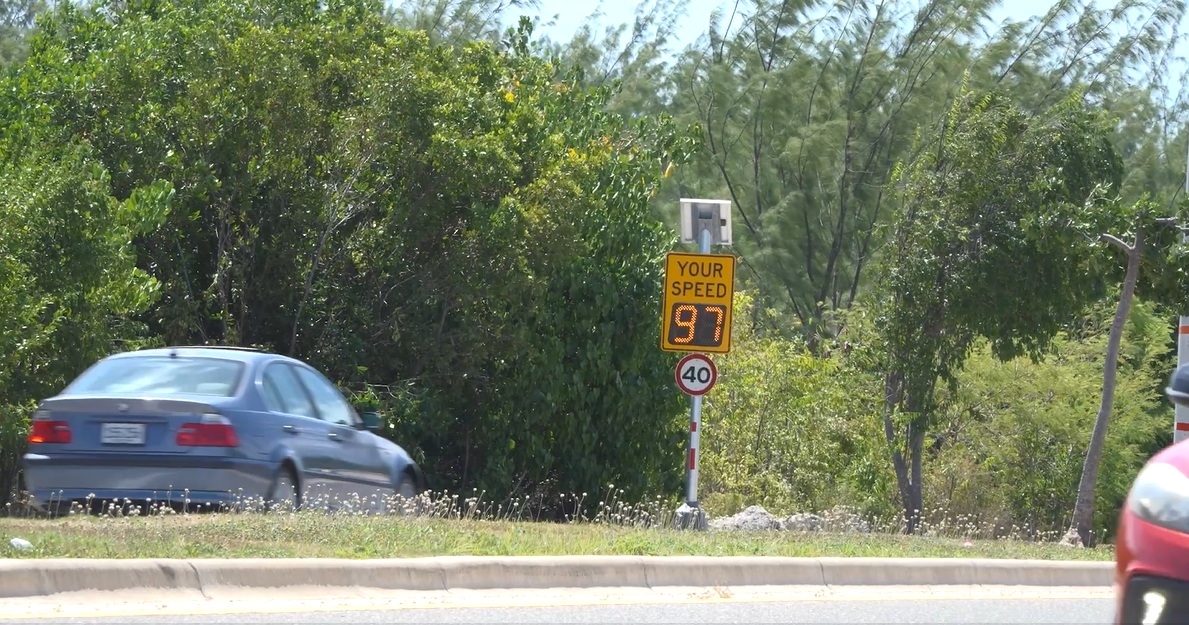
Police issued 3,139 fewer traffic summonses last year than in 2023. That decrease, however, was driven by a lack of resources in the RCIPS’s traffic unit rather than better driving.
Commissioner of Police Kurt Walton, speaking at a press briefing on the annual crime and traffic statistics on Wednesday, noted that he’d had to pull officers from the traffic division and several other units of the RCIPS to help investigate the mass shooting at the Ed Bush Stadium last year.
Seven people were injured in that shooting, which led to the re-assignment of officers from across the Royal Cayman Islands Police Service to concentrate on gang- and firearm-related crime.
“We had a number of departments we had to look at to bolster our units out there, providing heightened visibility, and this operation targeting firearm offenders. That’s just one of the reasons [for issuing fewer traffic offence summonses],” Walton said.
The work of the traffic unit was also impacted by its staffing levels, which, through attrition and promotions, fell by 38% last year compared to 2023.
Walton noted that the drop in the number of staff mirrored the reduction in the number of traffic offence summonses issued.

7,735 traffic offences recorded in 2024
In total, the RCIPS prosecuted 7,735 traffic offences last year — a drop of 29% on the year before. This included issuing 3,215 speeding tickets, which represented a drop of 31% on 2023, and 281 DUIs recorded, a similar number to the previous year.
Last year, just over half (51%) of the motorists prosecuted for speeding were driving in excess of 50mph, and one driver was found to be travelling at 103mph, the commissioner noted.
Walton said there are 65,000 vehicles registered in Cayman.
A rise in traffic collisions last year, when 3,253 crashes were reported, also impacted how many tickets police could issue to drivers, as that further drained resources because “that takes quite a bit of time to investigate”, Walton said.
It was noted at the briefing that officers spent an average of an hour to an hour and 45 minutes at the scene of each accident.
Another challenge is changes to road layouts, which are making it difficult for police to place their vehicles for roadside speed traps. The commissioner noted that police had received complaints from members of the public “that our own cars are parked on the road shoulder, where you’d have pedestrians or cyclists”.
He said police were working with the National Roads Authority to address that issue.
‘Horrific’ driving culture

“There are just shy of 500 miles of roads in the Cayman Islands,” Walton said.
“It’s difficult to have a police officer on every stretch of our roads. That’s a real challenge. So we need to look at other means, and I think that would go towards that driving culture.”
He described the driving culture as “abject”, adding, “It’s just horrific, the disregard for other road users.”
He said he plans to discuss with the new government about amending legislation that would make drunk driving a criminal offence, rather than a traffic offence, so that those prosecuted would get a criminal record and it would impact their ability to travel abroad.
“I do think the culture of drink driving in this country needs to change, and the only way to change culture is to force it on people,” he said.
“Road traffic collisions went up by 1%,” he said, but added that the numbers had been increasing significantly year on year over the past five years.
He said motor vehicle accidents continue to be a “constant and persistent challenge, with what seems to be no let up”, and noted that last year Cayman averaged 62 collisions per week.
In 2024, 14 people were killed in 11 collisions on the islands’ roads.
Finding solutions
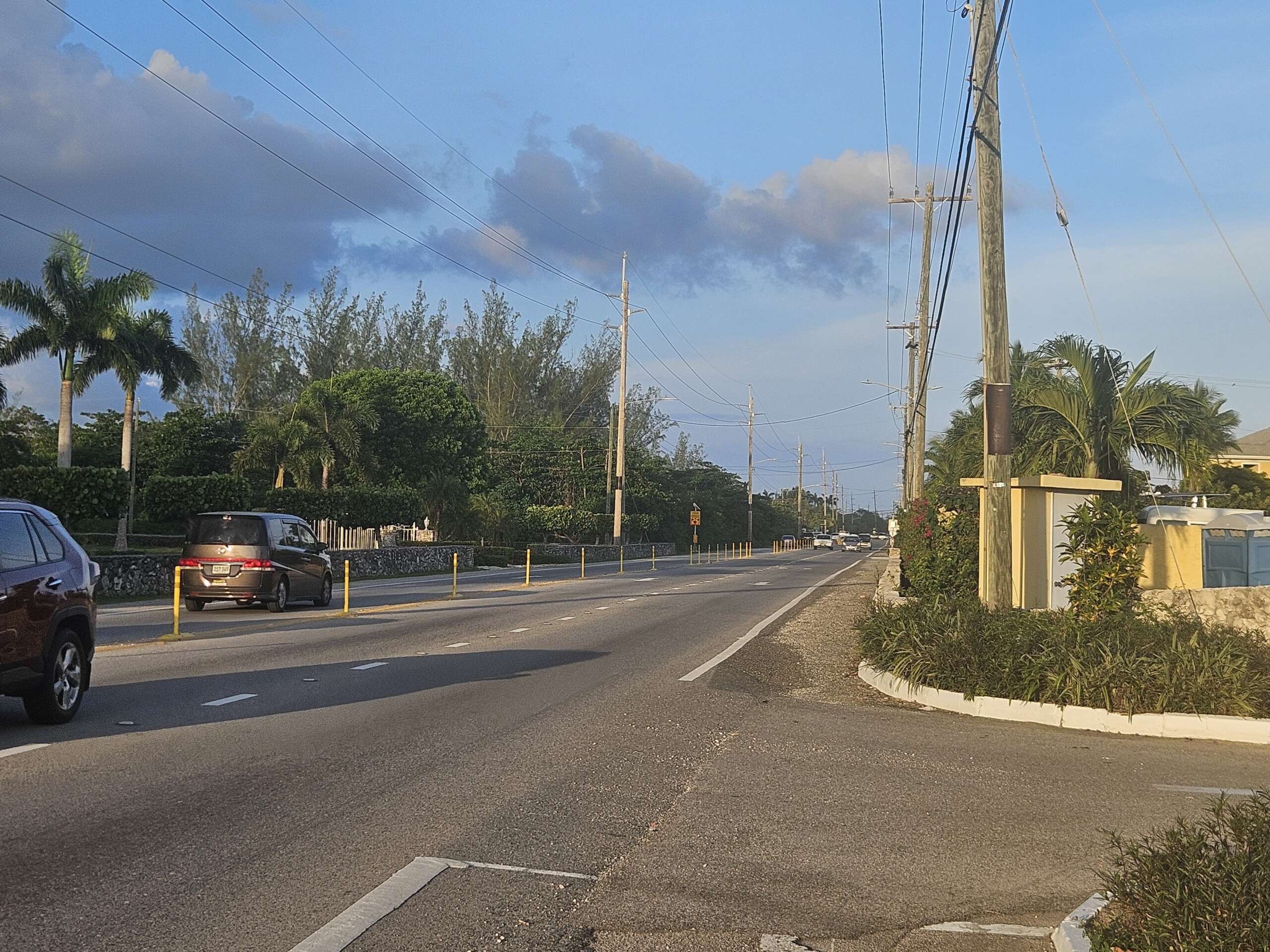
Walton highlighted a particularly dangerous, 1.6-mile stretch of Shamrock Road, known as ‘Spotts Straight’, where six people died in three separate collisions in 2024. Lane dividers were recently erected along that part of road to prevent overtaking, in a bid to cut down on speeding and accidents.
The commissioner also noted that December was the deadliest single month on the roads, with four people losing their lives in crashes.
“It was also our busiest month of policing,” he said, “with somewhere around 80 road traffic accidents per week.”
The RCIPS is turning also to technological solutions to driving issues.
Walton said the addition of speed cameras is being discussed, while his colleague, Superintendent Roje Williams, outlined some other steps police are taking to tackle driving problems on local roads.
These include buying more handheld breathalysers to detect DUIs, electronically issuing roadside traffic tickets, and investing in ‘Black Widow jack stands’, Williams said.
Those jack stands, he said, “will significantly reduce the on-scene time of road traffic collisions”, as they enable officers to push damaged vehicles blocking a road or a lane to the side.
Williams said police handwrite more than 7,000 tickets annually, which are then taken back to the station and entered into an electronic system, before going through another process to get to the court system. He said the RCIPS was looking into e-ticketing systems, which would enable offenders to pay their fines within five minutes.