


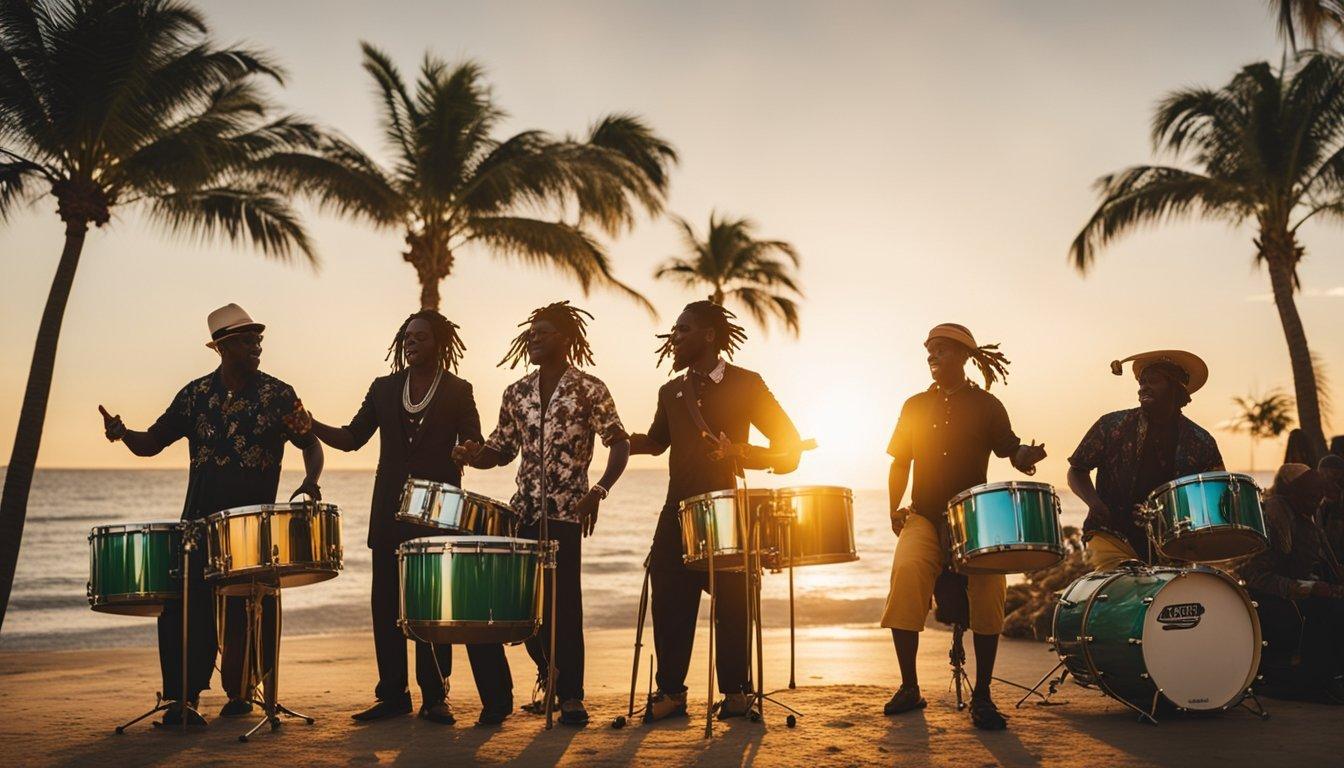
The Caribbean, long celebrated for its vibrant cultural tapestry and rich musical heritage, is experiencing a dynamic transformation in its music and entertainment sectors. With innovations in technology, shifting consumer preferences, and increased global visibility, artists and entertainers from the region are breaking traditional barriers and carving out new pathways for success. As streaming platforms enhance accessibility and social media amplifies the reach of Caribbean sounds and performances, talents across genres are gaining recognition both regionally and internationally. This article delves into the latest trends, key events, and notable collaborations reshaping the landscape of Caribbean music and entertainment, highlighting how these developments not only reinforce the region’s cultural identity but also position it as a pivotal player in the global entertainment arena.
Table of Contents
- Emerging Genres and Their Impact on Caribbean Identity
- Digital Transformation in Music Distribution and Promotion
- Increasing Global Collaborations in Caribbean Entertainment
- Investment Opportunities and Sustainable Development in Local Arts
- Wrapping Up
Emerging Genres and Their Impact on Caribbean Identity
The Caribbean’s vibrant music scene is experiencing a renaissance with the emergence of new genres that reflect the region’s rich cultural tapestry. Genres such as Reggaeton, Afrobeats, and Dancehall Fusion have surged in popularity, attracting a global audience while simultaneously redefining what it means to be Caribbean. These genres not only showcase the creative prowess of local artists but also serve as a vehicle for expressing a unique identity marked by resilience, diversity, and innovation. With platforms like TikTok and YouTube amplifying regional sounds, artists are finding their voices and gaining unprecedented traction on the international stage.
As these new musical styles evolve, their impact on Caribbean identity becomes increasingly significant. They create a shared cultural experience that transcends geographical boundaries, promoting regional pride and encouraging collaboration among artists from different islands. The proliferation of music festivals dedicated to these emerging genres has provided a platform for both established and up-and-coming artists to share their craft. Notably, events like Caribbean Music Festival and Reggae Sumfest have begun to showcase a blend of traditional and contemporary styles, fostering a sense of community. The chart below illustrates recent trends in genre popularity:
| Genre | Popularity Rank (2023) | Key Artists |
|---|---|---|
| Reggaeton | 1 | Bad Bunny, J Balvin |
| Afrobeats | 2 | Burna Boy, WizKid |
| Dancehall Fusion | 3 | Vybz Kartel, Sean Paul |
Digital Transformation in Music Distribution and Promotion
The landscape of music distribution and promotion has undergone a radical shift, particularly in the Caribbean music scene. Traditionally reliant on local radio and physical sales, artists and labels are now embracing streaming platforms and social media channels to reach a global audience. This evolution has enabled musicians to maintain greater control over their work, leading to increased revenues and broader visibility. Platforms like Spotify, Apple Music, and YouTube not only cater to audiences but also provide data analytics that help artists tailor their marketing strategies effectively.
In addition, the proliferation of digital marketing tools has revolutionized promotional techniques. Artists can now engage directly with fans through social media campaigns, live streaming events, and interactive fan experiences. To illustrate this shift, here’s a brief comparison of traditional versus modern promotion strategies:
| Traditional Promotion | Modern Promotion |
|---|---|
| Local radio play | Global streaming services |
| Physical album sales | Digital downloads and streaming |
| Print advertisements | Social media marketing |
| Concert tours without online engagement | Live-streamed concerts with fan interaction |
Increasing Global Collaborations in Caribbean Entertainment
The Caribbean entertainment industry is witnessing a surge in global collaborations that reflect the region’s unique cultural richness and artistic diversity. Artists from the Caribbean are increasingly joining forces with international music producers, filmmakers, and brands, generating a vibrant cross-cultural exchange that resonates both locally and globally. These collaborations are not only elevating the profile of Caribbean music and film on the world stage but also enriching the creative processes involved. Some recent examples include:
- Record Label Partnerships: Caribbean artists have signed multi-album deals with major international labels, allowing them to access wider distribution channels.
- Film Co-Productions: Joint ventures between Caribbean filmmakers and foreign production companies are leading to a new wave of culturally rich cinema.
- Festival Collaborations: Global music festivals are increasingly featuring Caribbean talent, helping to fuse various genres and introduce new audiences to authentic Caribbean sounds.
This cross-pollination of artistic ideas is fostering innovation and driving the Caribbean entertainment sector toward new heights. Events such as international music festivals and award shows now often spotlight Caribbean talent, enhancing visibility and attracting investment. Furthermore, partnerships with tech companies are propelling the use of digital platforms, enabling artists to reach audiences far beyond traditional boundaries. Recent statistics illustrate this trend:
| Year | Collaborations | Market Growth (%) |
|---|---|---|
| 2021 | 45% | 15% |
| 2022 | 60% | 20% |
| 2023 | 75% | 25% |
Investment Opportunities and Sustainable Development in Local Arts
The recent surge in the Caribbean music and entertainment sectors has unveiled numerous investment opportunities that not only promise financial returns but also contribute to sustainable development in local arts. Governments and private investors are increasingly recognizing the value of bolstering creative industries as a means to promote cultural heritage, stimulate economic growth, and empower local artists. Key areas for investment include:
- Music Festivals: Supporting local festivals that spotlight indigenous music styles fosters tourism and community engagement.
- Digital Platforms: Investing in streaming services tailored to Caribbean music helps musicians reach broader audiences.
- Art Training Programs: Funding workshops and educational initiatives enables aspiring artists to hone their skills.
Furthermore, strategic partnerships are vital in leveraging these investments. Collaborations between government agencies, non-profit organizations, and private enterprises can create a robust ecosystem that nurtures both talent and innovation. To illustrate the growing landscape, consider the following table that highlights recent investments in notable projects:
| Project | Investment Amount | Focus Area |
|---|---|---|
| Caribbean Music Festival | $200,000 | Tourism & Culture |
| Indigenous Art Training | $150,000 | Skill Development |
| Online Music Distribution | $100,000 | Digitalization |
This synergy between investment and local artistic endeavors not only wants to revitalize cultural identities but also aligns with broader goals of sustainability. By focusing on responsible practices and ethical sourcing of resources, stakeholders can ensure that their involvement in the arts leads to lasting benefits for communities across the Caribbean.
Wrapping Up
the recent developments in the Caribbean music and entertainment sectors showcase a vibrant landscape characterized by innovation, resilience, and collaboration. As artists and industry professionals continue to adapt to the evolving dynamics of global markets, the infusion of diverse musical styles and digital platforms has propelled the Caribbean onto the international stage. The rise of local talent, coupled with increased investment in production and promotional avenues, underscores the region’s rich cultural heritage and its potential for sustainable growth.
Moreover, initiatives aimed at preserving traditional forms while embracing contemporary trends indicate a promising future for the Caribbean’s creative industries. As we move forward, it is crucial for stakeholders—government bodies, educational institutions, and private enterprises—to foster an environment that nurtures this artistic evolution, ensuring that the Caribbean not only retains its unique cultural identity but also enhances its presence in the global music and entertainment arena. These developments herald an exciting chapter, and the world will undoubtedly be watching as the Caribbean continues to flourish.