


Photo: Flickr
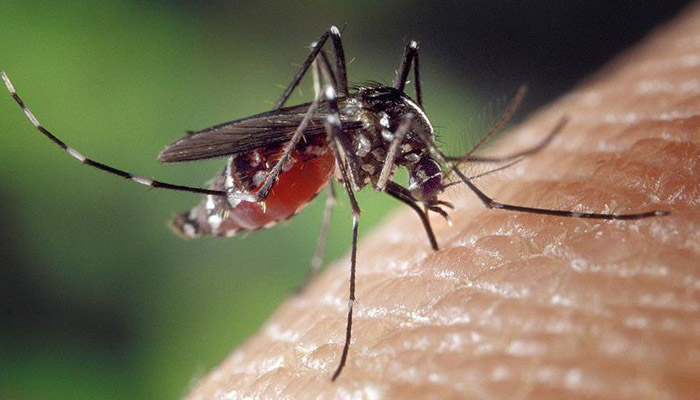
The Mosquito Research and Control Unit is warning residents there has been a widespread emergence of the black salt marsh mosquito in Grand Cayman due to recent rainfall.
The black salt marsh mosquito is not a disease carrier, but it does bite quite aggressively just before sunrise and after sunset.
“We are aware that mosquitoes are now emerging in all districts. While the increase is uncomfortable, it was expected based on the environmental conditions,” MRCU Director Alan Wheeler said.
“Our team has been working hard to reduce the number of mosquitoes emerging and continues to carry out control operations to bring the numbers down as quickly as possible.”
MRCU Communications Officer Kevin Watler said the department knew a significant hatch was imminent because MRCU teams in the field saw a marked increase in larvae numbers.
“Each female mosquito can lay a couple hundred eggs, which become larvae, and after a week the larvae transitions to the pupae stage. About 24 hours after that the mosquito hatches,” he said. “MRCU’s larvicide operations stops or slows the growth of larvae.”
Control operations also include both truck-mounted fogging and aerial treatments, which MRCU said are being conducted daily.
“These efforts will continue across Grand Cayman until mosquito numbers return to more acceptable levels,” Wheeler said.
Approximately 30 different species of mosquito have been recorded in Cayman and six are regarded as constituting the main pest species. The black salt marsh mosquito is the most abundant and the majority of MRCU’s efforts have focused on that species.
The black salt marsh mosquito is a strong flier, so large numbers emerging in one part of the island quickly spread to all areas.