


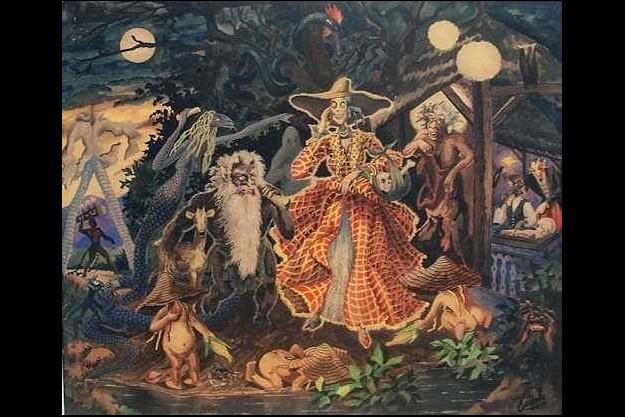
In a vibrant fusion of tradition and innovation, Caribbean folklore is experiencing a renaissance through the dynamic medium of theatrical storytelling. This rich cultural tapestry, woven from centuries of diverse influences and narratives, is finding new life on stage, captivating audiences far beyond the islands. Local artists and playwrights are delving deep into the mythic tales and oral traditions of the Caribbean, reinterpreting them to resonate with contemporary themes and global audiences. In this article, we explore how theatrical storytelling is not only preserving these timeless narratives but also reimagining them in ways that highlight the region’s unique heritage and the pressing social issues of our time. As the spotlight shines on Caribbean theater, we uncover the creative processes behind this transformative art form and its potential to bridge cultural divides, foster community engagement, and celebrate the enduring spirit of the Caribbean people.
Table of Contents
- Exploring the Rich Tapestry of Caribbean Folklore through Performance
- Innovative Techniques in Theatrical Storytelling: Bridging Tradition and Modernity
- Community Engagement and Collaborative Creation in Folklore Theatre
- Sustaining Cultural Heritage: Recommendations for Future Productions
- In Retrospect
Exploring the Rich Tapestry of Caribbean Folklore through Performance
Caribbean folklore, a vibrant blend of indigenous, African, European, and Asian influences, is brought to life through the medium of theatrical storytelling. Each performance serves as a portal into the diverse cultural heritage of the region, showcasing narratives that have been passed down through generations. These stories often feature a rich array of characters, such as Anansi the Spider, a clever trickster from West African lore, or La Llorona, a haunting figure central to various Caribbean tales. The use of music, dance, and vivid costumes enhances the storytelling experience, making the audience feel as if they are part of the unfolding drama.
Moreover, the integration of traditional themes with contemporary issues has reinvigorated the artistic landscape in the Caribbean. Performance artists harness the power of folklore to address social justice, identity, and community resilience. Notable performances may include:
- Adaptations of classic fairy tales that resonate with modern audiences
- Interactive storytelling where spectators become participants
- Multimedia presentations that blend digital art with live performances
By using folklore as a lens through which to explore current realities, these theatrical endeavors not only preserve cultural heritage but also spark important conversations about the future.
Innovative Techniques in Theatrical Storytelling: Bridging Tradition and Modernity
As Caribbean theater continues to evolve, artists are exploring a blend of traditional storytelling elements and contemporary performance techniques to create immersive narratives. By embracing multimedia platforms, such as video projections and live music, creators can transform age-old folklore into vibrant, engaging experiences that resonate with modern audiences. These innovative approaches allow for dynamic character interpretations and fluid storytelling, elevating classic tales to new heights while maintaining their cultural significance. The integration of interactive technologies, like augmented reality, invites spectators to not only observe but also participate in the narrative, deepening their connection to the story.
This fusion often results in a rich tapestry of visual artistry and cultural commentary, illuminating the complexities of Caribbean identity. Notably, theatrical techniques such as site-specific performances and immersive theater challenge the conventional boundaries of stagecraft. By situating narratives in locations tied to the folklore itself, performers facilitate a more profound sense of place and authenticity. Furthermore, the emphasis on ensemble casts encourages collaborative storytelling, empowering diverse voices that reflect the myriad experiences within Caribbean communities. The result is a theatrical landscape that honors its roots while boldly charting a course into the future.
Community Engagement and Collaborative Creation in Folklore Theatre
Folklore theater serves as a vital platform for community engagement, where local stories and traditions come to life through collective imagination. Artists, playwrights, and community members collaborate to preserve and adapt the rich tapestry of Caribbean folklore, ensuring that these narratives resonate with contemporary audiences while honoring their origins. This participatory approach fosters a deep sense of ownership and connection among participants, leading to a dynamic exchange of ideas that breathes new life into traditional tales.
Through workshops, open rehearsals, and interactive performances, the community becomes an integral part of the storytelling process. These engagements not only enhance the narratives but also highlight the importance of cultural identity and continuity. Key elements include:
- Collaborative Workshops: Facilitate skill sharing among community members.
- Interactive Storytelling: Encourage audience participation to deepen their involvement.
- Cultural Preservation: Empower local voices to reinterpret and retell cherished stories.
This synergy between artists and the community results in productions that are not only entertaining but also rich in cultural significance, ensuring that folklore remains a living art form that evolves with each generation.
Sustaining Cultural Heritage: Recommendations for Future Productions
To effectively sustain and celebrate Caribbean cultural heritage through theatrical productions, it is essential to adopt a multi-faceted approach that embraces authenticity, community involvement, and innovative storytelling techniques. This means prioritizing the collaboration with local artists, storytellers, and cultural historians, ensuring that the narratives presented on stage reflect the rich tapestry of Caribbean life and values. The following recommendations can promote a genuine representation of folklore:
- Engage local communities: Involve community members in the storytelling process to foster an environment of collective creativity and ownership over cultural narratives.
- Support traditional art forms: Integrate indigenous music, dance, and visual arts into productions to maintain the essence of Caribbean folklore.
- Utilize modern technology: Employ multimedia elements to connect younger audiences with traditional stories, enhancing engagement without diluting the authenticity.
Moreover, fostering collaborative partnerships between cultural organizations, educational institutions, and theatrical companies can lead to the preservation and revitalization of folklore. These collaborations should aim to promote cultural exchange and understanding. A structured approach to production planning may include:
| Strategy | Description |
|---|---|
| Workshops and Training | Conduct workshops for emerging artists to learn and appreciate traditional storytelling techniques. |
| Scholarship Programs | Establish scholarships for students pursuing studies in Caribbean arts, ensuring the legacy continues. |
| Festival Participation | Encourage participation in cultural festivals to showcase performances and increase visibility. |
In Retrospect
“” presents a transformative approach to the rich cultural narratives that define the Caribbean region. By blending traditional folklore with contemporary theatrical techniques, artists are not only preserving these tales but also revitalizing them for new generations. This theatrical renaissance invites audiences to engage with their heritage in fresh and dynamic ways, fostering a deeper appreciation for the intricate tapestry of Caribbean identity. As these innovative productions continue to emerge, they underscore the importance of storytelling in shaping cultural discourse and community resilience. As we look forward, it is clear that the fusion of folklore and theater will play a pivotal role in the ongoing dialogue about culture, identity, and artistic expression in the Caribbean and beyond.