


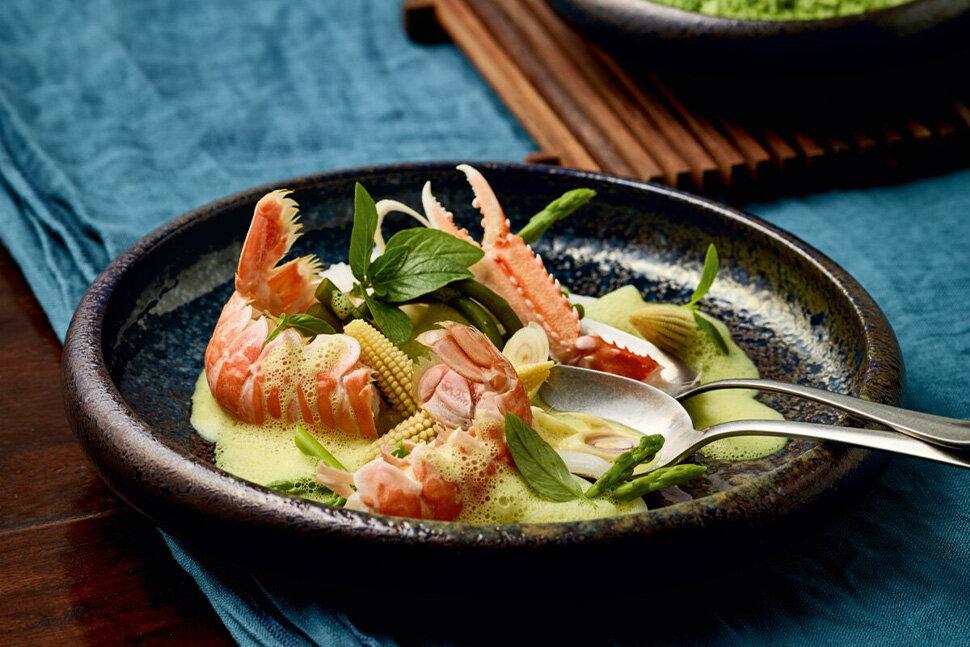
In a world where culinary boundaries are continually pushed, fusion cuisine has emerged as a vibrant expression of creativity and cultural exchange. Nowhere is this intersection more tantalizing than in the Caribbean, a region known for its rich culinary heritage forged through centuries of diverse influences. From the spicy depths of Jerk chicken to the sweet allure of coconut flan, Caribbean cuisine is a celebration of bold flavors and timeless recipes. However, as the culinary landscape evolves, so too does the potential for reinvention. In this article, we embark on a flavorful journey to explore how chefs are breathing new life into traditional Caribbean classics through innovative fusion techniques. Join us as we delve into mouthwatering combinations and creative reinterpretations that not only honor the past but also pave the way for exciting gastronomic futures. Whether you’re a culinary enthusiast or just a lover of good food, prepare to be inspired by the delicious possibilities of revamping tradition.
Table of Contents
- Exploring the Art of Fusion: How Caribbean Classics Inspire Modern Culinary Creations
- Essential Ingredients for a Caribbean Fusion Pantry: What Every Home Cook Needs
- Techniques for Seamless Integration: Blending Flavors without Losing Authenticity
- Signature Dishes to Try: Innovative Recipes That Redefine Traditional Caribbean Cuisine
- In Retrospect
Exploring the Art of Fusion: How Caribbean Classics Inspire Modern Culinary Creations
The enchanting flavors of the Caribbean serve as a wellspring of inspiration for modern culinary artists, inviting them to reimagine traditional dishes through the lens of global influences. Chefs are now delving deep into the vibrant heritage of the islands, where ingredients and spices intertwine to create a tapestry of taste. By incorporating elements from various cuisines, the contemporary kitchen breathes new life into classic dishes. Consider the following components that exemplify this delightful intersection:
- Jerk Chicken Tacos: A fiery twist combining Jamaican spice blends with Mexican tortillas.
- Sorrel Mojito: A refreshing drink marrying traditional hibiscus sorrel with mint and lime for a zesty cocktail.
- Pineapple Curry Rice: A fusion of Caribbean sweetness and Thai curry spices, creating a perfect side dish.
As culinary boundaries blur, the Caribbean’s aromatic profile is further accentuated through innovative plating techniques and modern cooking methods. Restaurants are embracing diverse styles, resulting in a gastronomic phenomenon that not only captures the essence of Caribbean classics but also appeals to a more global palate. Below is a snapshot of popular fusion dishes that reflect this dynamic evolution:
| Fusion Dish | Main Ingredients | Inspiration |
|---|---|---|
| Plantain Gnocchi | Green plantains, ricotta, Parmesan | Italian |
| Caribbean Sushi | Sushi rice, mango, crab, avocado | Japanese |
| Rum-infused Ramen | Ramen noodles, coconut broth, jerk pork | Japanese |
Essential Ingredients for a Caribbean Fusion Pantry: What Every Home Cook Needs
Creating a Caribbean fusion pantry is all about balance and creativity, combining the vibrant flavors of the islands with global influences. Start with the essentials that reflect the heart of Caribbean cuisine. Include spices like allspice, cumin, and coriander to add warmth and depth. Complement these with fresh herbs such as cilantro, thyme, and scallions to brighten your dishes. For a hint of sweetness, stock up on coconut milk and mango puree—perfect for creamy curries and tropical desserts.
Next, consider incorporating some staples that reflect a fusion approach. Stock your pantry with quinoa and farro as healthier alternatives to rice, paired beautifully with traditional Caribbean dishes. Don’t forget to include a variety of beans such as black beans and pigeon peas for added protein. Additionally, creating a fusion of textures and tastes can be achieved through nuts and seeds, like pumpkin seeds and cashews, which can be toasted for added crunch. Check out this table summarizing key fusion pantry items:
| Category | Key Ingredients |
|---|---|
| Spices | Allspice, Cumin, Coriander |
| Herbs | Cilantro, Thyme, Scallions |
| Staples | Quinoa, Farro, Beans |
| Textures | Seeds, Nuts |
Techniques for Seamless Integration: Blending Flavors without Losing Authenticity
One of the most effective techniques for achieving a harmonious blend of flavors is to focus on complimentary ingredients. By identifying elements that naturally enhance each other, chefs can create dishes that rejoice in their cultural roots while embracing new influences. For instance, incorporating tropical fruits common in Caribbean cuisine, like mango or pineapple, into traditional Asian stir-fries introduces a sweet and tangy note that brightens the dish without overshadowing its essence. Emphasizing spices, like jerk seasoning or soy sauce, can also add depth and complexity, ensuring the final product remains distinctly flavorful yet surprisingly innovative.
Another key strategy is to use cooking techniques strategically borrowed from different culinary traditions. Techniques such as grilling, typically found in Caribbean cooking, can enhance the smoky flavor profile of Asian marinated meats. Likewise, sous-vide, popular in contemporary cooking, can deliver perfect tenderness to dishes like coq au vin infused with a Caribbean flair. Presenting these dishes in a manner that reflects both cultures is equally essential; layering them artfully can lend visual appeal, invoking curiosity while respecting their origins. Below is a concise table showcasing these techniques and their applications:
| Technique | Application |
|---|---|
| Grilling | Enhances the depth of Caribbean-infused stir-fries |
| Sous-vide | Presents perfectly tender meats with Caribbean spices |
| Pickling | Adds a zesty twist to traditional Caribbean salads |
| Infusion | Incorporates Caribbean flavors into classic Asian broths |
Signature Dishes to Try: Innovative Recipes That Redefine Traditional Caribbean Cuisine
Caribbean cuisine, with its rich tapestry of flavors and culinary traditions, is being reimagined through innovative approaches that surprise and delight the palate. One standout dish is the Jerk Chicken Tacos—a mashup of the beloved Jamaican jerk spice profile with classic Mexican street food. Marinated chicken infused with allspice, thyme, and Scotch bonnet peppers gets grilled to perfection and is then tucked into warm corn tortillas. Top these with a refreshing mango salsa and a drizzle of coconut-lime crema for a balance of heat and sweetness that redefines both cuisines.
Another tempting recipe is the Trinidadian Doubles Benedict, merging a popular breakfast classic with the savory street food staple. It features fluffy bara (fried flatbreads) as a base, topped with spiced chickpeas and poached eggs, all smothered in a rich, tangy hollandaise sauce enriched with hints of curry and citrus. Not only does this dish showcase the versatility of Caribbean ingredients, but it also highlights the nostalgia of traditional breakfasts while embracing modern culinary techniques. These inventive recipes are just a glimpse into the exciting world where fusion meets tradition, inviting food lovers to experience the best of both worlds.
In Retrospect
As we conclude our journey through the vibrant landscape of fusion cuisine and its harmonious relationship with Caribbean classics, it’s clear that the culinary world is evolving in exciting ways. By marrying time-honored traditions with innovative techniques and global flavors, chefs are not only honoring the rich heritage of Caribbean dishes but also breathing new life into them. This culinary renaissance invites us all to explore new taste experiences while appreciating the roots from which they grow.
Whether you’re a seasoned foodie or an enthusiastic home cook, we encourage you to experiment with these fusion techniques in your own kitchen. Start blending your favorite Caribbean staples with flavors from other cuisines, and watch how a simple dish can transform into something extraordinary.
Remember, the beauty of food lies not just in tradition but in its ability to adapt and flourish. As the culinary landscape continues to expand, let’s celebrate the creativity and passion that drive these delicious innovations. Stay curious, keep tasting, and who knows—you might just discover your next favorite dish along the way. Until next time, happy cooking!