


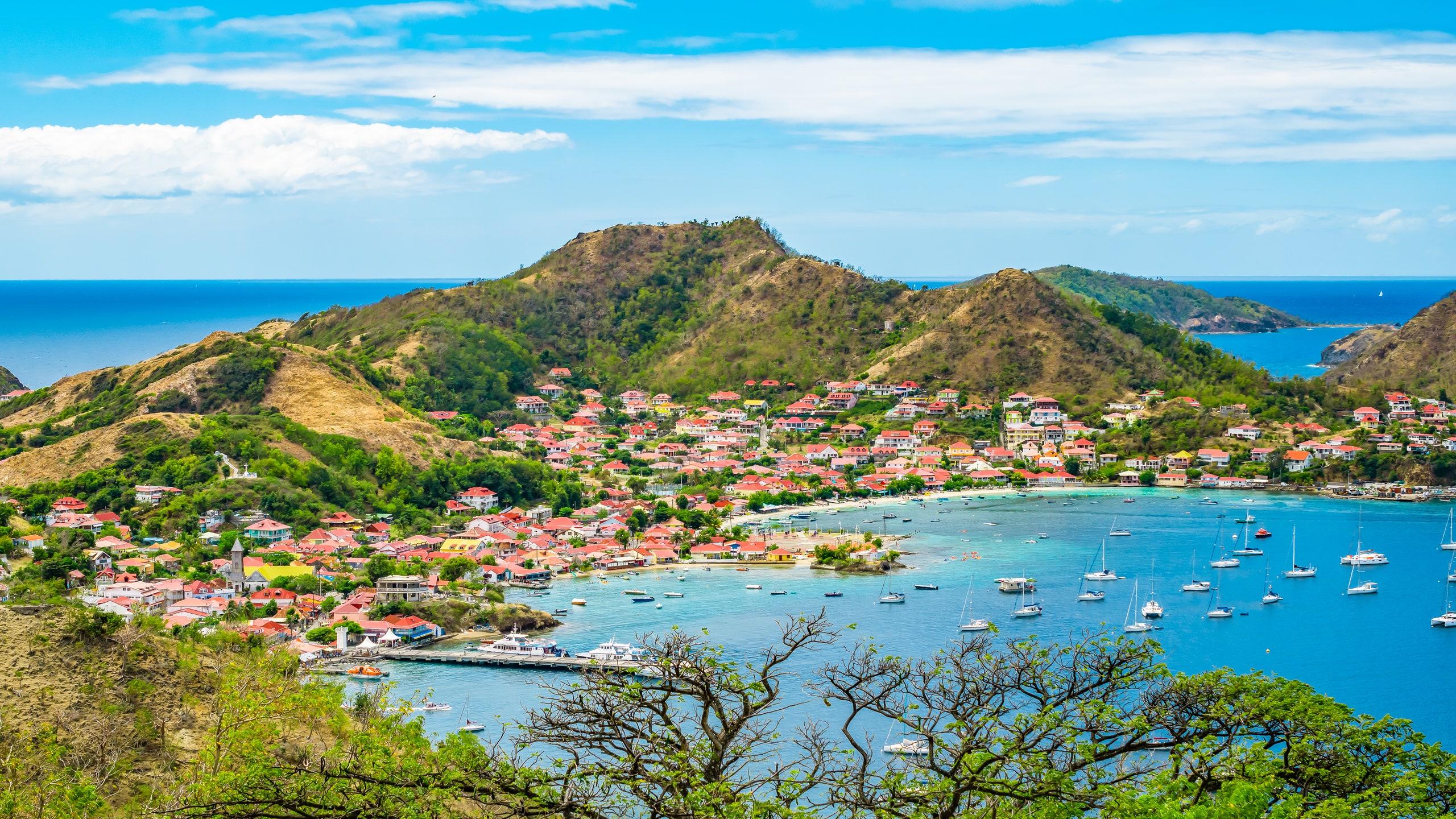
As the world emerges from the shadow of the COVID-19 pandemic, the Caribbean stands poised for a remarkable resurgence in tourism, a vital lifeline for its economy and cultural heritage. After enduring unprecedented challenges, including travel restrictions, health crises, and natural disasters, the region is now witnessing an array of trends that signal a robust recovery in its tourism sector. From an evolving focus on sustainable practices and wellness travel to the adoption of advanced technology and a renewed emphasis on local experiences, the Caribbean is redefining its appeal to visitors. This article delves into the latest developments shaping the resurgence of tourism in paradise, exploring how stakeholders across the region are collaborating to create a resilient, vibrant future for both travelers and local communities. As we unravel the fabric of the Caribbean’s recovery, we highlight not only the statistics and trends but also the stories of innovation and perseverance that are helping to reinvigorate this beloved destination.
Table of Contents
- Emerging Trends in Caribbean Tourism: A Comprehensive Overview
- Sustainable Practices: Paving the Way for Resilient Destinations
- Innovation and Technology: Enhancing Visitor Experiences in Paradise
- Marketing Strategies: Attracting New Audiences to the Caribbean
- The Conclusion
Emerging Trends in Caribbean Tourism: A Comprehensive Overview
The Caribbean tourism landscape is undergoing significant transformation as it adapts to new traveler preferences and global challenges. With health and safety at the forefront, destinations are implementing stringent hygiene measures to reassure visitors. This includes enhanced sanitation protocols in hotels, restaurants, and attractions. Additionally, the rise of sustainable tourism practices is evident, with an increasing number of resorts and tour operators prioritizing eco-friendly initiatives. Some key trends, greatly influenced by travelers’ heightened awareness of their environmental impact, include:
- Community-based tourism: Visitors seek authentic experiences by engaging with local cultures.
- Nature-focused adventures: There is a growing demand for activities like hiking, birdwatching, and ecotourism.
- Wellness retreats: Consumers are prioritizing mental health and well-being, leading to a surge in yoga, meditation, and holistic experiences.
Another crucial aspect shaping the current tourism recovery is the digital transformation within the sector. Technologies such as contactless payments, virtual tours, and mobile booking systems are becoming essential as travelers value convenience and safety. Furthermore, changing travel patterns, driven largely by remote work trends, are extending the vacation timeline, with extended stays being preferred by many. In response to this shift, destinations are beginning to offer tailored packages aimed at long-term travelers, showcasing a commitment to flexibility and customer-centric experiences. Below is a table summarizing key technological advancements impacting Caribbean tourism:
| Technology | Description |
|---|---|
| Contactless Payments | Minimizes physical contact and enhances transaction efficiency. |
| Virtual Tours | Allows potential visitors to explore destinations remotely. |
| Mobile Booking Systems | Facilitates seamless reservations from smartphones. |
Sustainable Practices: Paving the Way for Resilient Destinations
As the Caribbean embarks on a path toward recovery, *sustainable practices* are no longer optional but essential for ensuring the longevity and resilience of its tourism destinations. Increased awareness around environmental challenges has prompted both travelers and businesses to adopt greener approaches. Initiatives such as supporting local economies, reducing carbon footprints, and prioritizing conservation efforts are garnering attention. In this context, various stakeholders are rethinking their strategies by implementing practices that not only preserve the breathtaking landscapes but also elevate the unique cultural experiences offered by the region.
Some of the leading principles guiding sustainable tourism in the Caribbean include:
- Eco-friendly Accommodations: Hotels and resorts are embracing renewable energy, minimizing waste, and utilizing local resources.
- Community Engagement: Tour operators are focusing on trips that authentically involve local communities, ensuring that tourism benefits the people who call these islands home.
- Wildlife Conservation: Efforts are being made to protect the natural habitats of endemic species while promoting responsible wildlife interactions.
This adaptive approach not only safeguards the natural and cultural heritage of Caribbean destinations but also fosters a sense of responsibility among tourists, paving the way for a more sustainable future.
Innovation and Technology: Enhancing Visitor Experiences in Paradise
The Caribbean is experiencing a technological renaissance, leveraging cutting-edge innovations to elevate the visitor experience to new heights. Entrance to the idyllic landscapes is now complemented by the integration of mobile apps that provide tailored itineraries, real-time updates on local events, and navigation systems to ensure guests discover hidden gems. Facilities across the islands are adopting contactless technologies for a seamless check-in and dining experience, significantly reducing wait times while enhancing safety protocols. These advancements allow tourists to immerse themselves fully in the beauty and culture of the Caribbean without the hassles of traditional travel.
Additionally, virtual and augmented reality solutions are being deployed, offering pre-experience previews of attractions and accommodations. Visitors can enjoy immersive previews that not only pique their interest but also make informed choices about their travels. The infusion of data analytics is another game changer, providing insights into visitor preferences and behaviors. This empowers businesses to personalize marketing strategies and improve service offerings. Below are some key trends in technological innovations shaping the visitor experience:
- Mobile Apps: Personalized itineraries and real-time updates
- Contactless Solutions: Streamlined check-ins and dining experiences
- Virtual Experiences: Previews of attractions before arrival
- Data Analytics: Enhanced personalization in services
Marketing Strategies: Attracting New Audiences to the Caribbean
As the Caribbean seeks to reinvigorate its tourism sector, destination marketing strategies are evolving to attract a broader audience. Emphasizing sustainability, culture, and wellness, tourism boards are reimagining their promotional tactics to align with the values of modern travelers. Social media campaigns that spotlight local experiences, eco-friendly accommodations, and culinary delights are becoming essential tools in reaching discerning tourists. Moreover, leveraging the power of influencers and virtual reality experiences allows potential visitors to immerse themselves in the beauty of the Caribbean from the comfort of their homes, effectively generating interest and bookings.
To effectively target new demographics, many Caribbean destinations are implementing bespoke marketing strategies that cater to specific visitor segments. These strategies include:
- Adventure Seekers: Promoting activities like hiking, diving, and surfing through engaging content showcasing thrilling experiences.
- Family Friendly: Designing packages that include family-oriented activities, highlighting safety and fun for all ages.
- Remote Workers: Marketing longer stay options with co-working spaces and connectivity to attract a workforce looking for a change of scenery.
| Target Segment | Appealing Strategy |
|---|---|
| Gen Z Travelers | Interactive social media challenges and giveaways. |
| Eco-Conscious Tourists | Highlighting sustainable practices and local conservation efforts. |
| Cultural Enthusiasts | Curating cultural festivals and local artisan experiences. |
The Conclusion
As the Caribbean embarks on a journey toward recovery, the region’s commitment to revitalizing its tourism sector is evident in the innovative strategies and sustainable practices being implemented. From harnessing technology to enhance visitor experiences to prioritizing environmental conservation, the islands are positioning themselves not just to rebound, but to thrive in an evolving global landscape.
With travelers increasingly seeking authentic and meaningful experiences, the Caribbean’s rich cultural heritage, natural beauty, and warm hospitality remain significant assets for attracting tourists. As stakeholders continue to collaborate on a shared vision for recovery, the potential for growth appears promising. The revival of Caribbean tourism is not merely about returning to pre-pandemic numbers; it is about transforming the industry to meet new expectations and accommodate the changing preferences of travelers.
As we look ahead, the resilience of the Caribbean islands stands as a testament to their ability to adapt and overcome challenges. With an eye on sustainability and innovation, the Caribbean is not only reviving its paradise but is also redefining what paradise means in the 21st century. The road to recovery may be long, but the path is illuminated by the determination and creativity of those who call this beautiful region home.