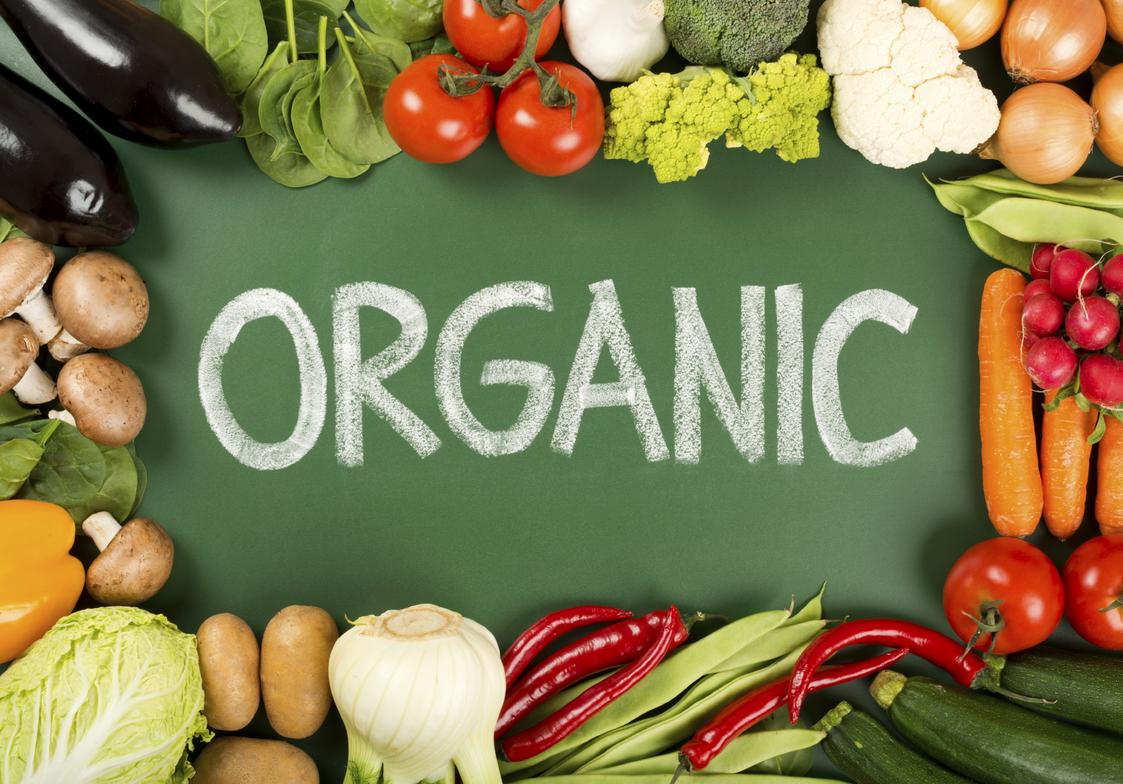
In recent years, the demand for organic products has surged dramatically across the region, reflecting a significant shift in consumer preferences and a growing awareness of health and environmental concerns. As more individuals seek out sustainable and chemical-free options, local markets are responding to this evolution in taste and lifestyle. This article will explore the key trends shaping the organic sector, including the increasing popularity of locally-sourced goods, the influence of social media on consumer behaviour, and the impact of regulatory changes on supply chains. As the organic movement gains momentum, it is essential for stakeholders—from farmers to retailers—to adapt and innovate in order to meet the rising expectations of a conscientious consumer base.
Table of Contents
- Understanding Consumer Preferences for Organic Products
- Analyzing Market Drivers Behind the Surge in Organic Demand
- Strategies for Retailers to Capitalize on the Organic Trend
- The Future of Organic Farming: Innovations and Sustainability Initiatives
- Key Takeaways
Understanding Consumer Preferences for Organic Products
As the market for organic products continues to grow, understanding the factors that influence consumer choices has become crucial for businesses looking to capitalize on this trend. A significant portion of shoppers now prioritize sustainability and health over traditional purchasing criteria. Research indicates that consumers are increasingly assessing not just the quality of the product, but also the environmental impact and ethical considerations surrounding its production. Key drivers of this shift include:
- Health consciousness: Many people associate organic products with superior health benefits, making them preferable in their buying decisions.
- Environmental concerns: Eco-conscious consumers are drawn to organic goods due to their lower impact on the planet and biodiversity.
- Transparency in sourcing: A growing demand for transparency in the supply chain leads consumers to seek certifications and information regarding the origins of their food.
Demographic factors also play a pivotal role in shaping buying patterns, with younger generations, particularly Millennials and Gen Z, showing a strong inclination towards organic options. This demographic is often more willing to pay a premium for products that align with their values, which include sustainability, health, and ethical production practices. Furthermore, social media and influencer marketing have amplified these preferences, leading to a higher visibility of organic brands. The following table summarizes the important traits of consumers driving demand for organic products:
| Consumer Trait | Impact on Purchasing Decisions |
|---|---|
| Young professionals | Favorable disposition towards premium pricing for organic products |
| Health-focused individuals | Higher likelihood to choose organic for perceived health benefits |
| Eco-conscious consumers | Preference for brands with sustainable practices |
Analyzing Market Drivers Behind the Surge in Organic Demand
The rising enthusiasm for organic products can be attributed to several key market drivers influencing consumer behaviour. Health consciousness is at the forefront, as more individuals are prioritizing their well-being and opting for foods they perceive as healthier. This demand is further fueled by the growing awareness of the negative impacts of synthetic pesticides and fertilizers on both human health and the environment. Moreover, consumers are increasingly scrutinizing product labels and sourcing information, leading to a preference for transparency and ethics in food production.
Additionally, the influence of lifestyle shifts cannot be overlooked. As urbanization and digital connectivity expand, a younger demographic is emerging that values sustainability and ethical consumption. They are more likely to support brands that align with their values, even if it means paying a premium for organic options. This trend is reflected in changing dietary preferences, including a surge in veganism and plant-based diets. The following table highlights some of the driving factors contributing to the organic products’ popularity:
| Market Driver | Description |
|---|---|
| Health Awareness | Growing concern about personal health and diet quality. |
| Sustainability | Increased demand for eco-friendly and sustainable practices. |
| Transparency | Higher consumer expectations for product sourcing and labeling information. |
| Millennial & Gen Z Values | Focus on ethical consumption and alignment with personal values. |
Strategies for Retailers to Capitalize on the Organic Trend
To successfully tap into the surging demand for organic products, retailers must adopt a multi-faceted approach that aligns with consumer preferences. Highlighting product origin is essential; shoppers are increasingly interested in understanding where their food comes from. Retailers can create informative displays that include stories about local farms or organic producers, which can foster a deeper connection between consumers and the products they purchase. Additionally, leveraging digital marketing to promote organic items through targeted ads and social media campaigns can attract health-conscious consumers, especially millennials and Gen Z who are driving the organic movement.
Another effective strategy is to curate exclusive organic product lines that differentiate the retail space from competitors. By partnering with local organic farms or suppliers to offer unique, seasonal products, retailers can entice customers looking for fresh, high-quality options. Implementing a loyalty program focusing specifically on organic purchases can further incentivize repeat business, encouraging consumers to return for their next organic shopping experience. The integration of educational workshops or in-store tastings can also change the shopping landscape, providing valuable information about organic benefits while engaging customers in a meaningful way.
The Future of Organic Farming: Innovations and Sustainability Initiatives
The rise of organic farming is increasingly shaping agricultural practices as the demand for organic products continues to surge. Innovative technologies are paving the way for increased efficiency and sustainability in organic farming. Techniques such as precision agriculture, utilizing data analytics and IoT devices, are allowing farmers to optimize their inputs and enhance crop yields without compromising organic standards. Additionally, regenerative agricultural practices are being embraced, which not only focus on organic methods but also aim to restore soil health and biodiversity, ultimately contributing to a more resilient ecosystem.
Moreover, sustainable initiatives are gaining traction among consumers who are more conscious of their purchasing choices. A growing number of local farmers’ markets and community-supported agriculture (CSA) programs are providing access to fresh, organic produce while supporting local economies. The introduction of agroecological approaches, which incorporate traditional farming knowledge with modern scientific techniques, is proving essential in addressing the challenges posed by climate change. Investments in research and development in organic farming can enhance these initiatives, creating a robust framework for future generations of farmers aiming to meet the rising demand for organic products.
Key Takeaways
As consumer awareness regarding health and environmental sustainability continues to grow, the demand for organic products in the region is poised for significant expansion. Key trends indicate a shift in purchasing habits, with an increasing number of consumers prioritizing organic options for their nutritional and ecological benefits. With the emergence of innovative marketing strategies and the establishment of supportive policies, businesses are well-positioned to capitalize on this burgeoning market.
the rising demand for organic products reflects a broader cultural shift towards wellness and sustainability. To remain competitive, stakeholders across the supply chain will need to adapt to these evolving consumer preferences and continue to educate the market about the advantages of organic goods. As this trend gains momentum, it will not only reshape the retail landscape but also contribute to a healthier, more sustainable future for the region.