


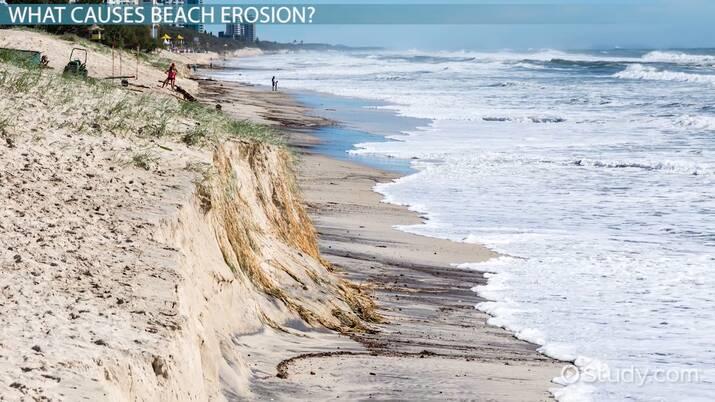
The Caribbean, with its pristine beaches and turquoise waters, is a paradise that attracts millions of visitors each year. However, beneath the surface of this tropical utopia lies a pressing challenge that threatens both its natural beauty and the livelihoods of those who depend on it: beach erosion. As climate change intensifies and human activities continue to exert pressure on fragile coastal ecosystems, the fight against erosion has become more critical than ever. In this article, we will explore the causes of beach erosion in the Caribbean, its far-reaching impacts on local communities and economies, and the innovative solutions being implemented to protect these iconic shores. By understanding the intricacies of this issue, we can take collective action to safeguard the Caribbean’s coastline for future generations, ensuring that this beautiful destination remains a source of inspiration and joy for years to come. Join us as we dive into the challenges and triumphs in the battle against beach erosion and discover how we can all play a role in preserving this treasured environment.
Table of Contents
- Understanding the Causes of Beach Erosion in the Caribbean
- Innovative Solutions: Strategies for Protecting Shorelines
- Community Engagement: The Role of Local Efforts in Coastal Preservation
- Sustainable Practices: Recommendations for Long-Term Shoreline Management
- To Wrap It Up
Understanding the Causes of Beach Erosion in the Caribbean
Beach erosion in the Caribbean is a multifaceted issue influenced by various natural and anthropogenic factors. One significant contributor is climate change, which leads to rising sea levels and more intense storm events. These conditions not only result in higher wave energy but also increase the frequency of coastal flooding. Increased ocean temperatures also weaken reef systems, which naturally act as barriers against wave action. Additionally, human activities such as coastal development and infrastructure projects interfere with natural sediment transportation processes, exacerbating erosion as beaches lose vital sand and sediment that would normally replenish them.
Another critical factor is deforestation within coastal zones. The removal of vegetation reduces soil stability and increases runoff, which can wash away sand and debris vital for maintaining the beach structure. Furthermore, tourism—though an economic boon—can lead to environmental degradation if not properly managed. Overcrowding, litter, and construction of resorts along the shoreline can strain local ecosystems. To put these impactful causes into perspective, consider the following table that outlines these main contributors to beach erosion:
| Causes of Beach Erosion | Impact |
|---|---|
| Climate Change | Rising sea levels & intensified storms |
| Coastal Development | Disruption of natural sediment transport |
| Deforestation | Increased runoff & soil destabilization |
| Tourism Pressure | Environmental degradation & overcrowding |
Innovative Solutions: Strategies for Protecting Shorelines
Addressing beach erosion in the Caribbean requires a multifaceted approach that balances ecological preservation with innovative engineering. One promising strategy involves natural shoreline restoration, which utilizes native vegetation to stabilize sand dunes and coastal bluffs. This method not only protects against erosion but also enhances local biodiversity. Key elements include:
- Replanting native flora: Utilizing native plant species that enhance soil stability and provide habitat for local wildlife.
- Creating living shorelines: Implementing structures made of natural materials that mimic the natural shoreline, promoting sediment deposition.
- Community engagement: Involving local communities in restoration projects to foster stewardship and awareness of the shoreline ecosystem.
An additional innovative solution is the use of artificial reefs, which help mitigate wave energy and promote sediment accumulation. These structures can serve multiple purposes, including:
- Improving marine habitats: Providing shelter and breeding grounds for various marine species.
- Encouraging eco-tourism: Attracting snorkelers and divers, which can bolster local economies.
- Monitoring systems: Incorporating technology to track shoreline changes and better plan for future interventions.
| Strategy | Benefits |
|---|---|
| Natural Shoreline Restoration | Enhances biodiversity, reduces erosion |
| Living Shorelines | Promotes sediment stability, protects habitat |
| Artificial Reefs | Reduces wave impact, boosts eco-tourism |
Community Engagement: The Role of Local Efforts in Coastal Preservation
Local communities are often the frontline defenders of their coastal environments. Through organized efforts, they can significantly impact coastal preservation strategies. Community engagement fosters collaboration, where residents, environmental organizations, and local governments come together to share knowledge, resources, and a common goal. This collaboration can take various forms, including beach clean-ups, educational programs, and advocacy for sustainable tourism. By emphasizing the importance of their local ecosystems, communities can create a sense of stewardship that encourages individual and collective responsibility.
One effective approach to involve community members is through participatory programs, which allow locals to take active roles in coastal management. Examples of these initiatives include:
- Workshops focused on coastal ecology and the impacts of erosion
- Volunteering opportunities for habitat restoration projects
- Citizen science programs that enable locals to monitor shorelines and report changes
Moreover, local businesses can play a crucial role by adopting environmentally friendly practices and supporting community-led initiatives. For instance, a local fishing cooperative might implement sustainable fishing practices, while hotels can promote eco-tourism by partnering with local guides who understand the importance of preserving natural habitats. By aligning economic incentives with preservation goals, communities can create a sustainable model that not only protects their beaches but also enhances their local economy.
Sustainable Practices: Recommendations for Long-Term Shoreline Management
To ensure the longevity and health of Caribbean shorelines, implementing sustainable practices is essential. These strategies should focus on integrating nature-based solutions that work harmoniously with local ecosystems. Emphasizing the importance of preserving *mangroves*, *coral reefs*, and *beach dunes* can significantly enhance natural coastal defenses while also providing vital habitats for various marine species. Communities can engage in restoration projects that not only combat beach erosion but also stimulate local economies through eco-tourism and fisheries, allowing for a more resilient approach to shoreline management.
In addition to ecological restoration, adopting innovative engineering methods can provide effective safeguard measures. Inspired by successful global examples, Caribbean nations can consider the following:
- Living shorelines: Utilize natural materials to create stable habitats that dissipate wave energy.
- Beach nourishment: Regularly replenish beaches with sediment to counteract erosion.
- Coastal zoning regulations: Implement stricter building codes in erosion-prone areas to minimize risks.
- Community involvement: Foster grassroots efforts to monitor and maintain coastal health through local stewardship programs.
By prioritizing these sustainable practices, the Caribbean can protect its stunning beaches while promoting community well-being and ecological balance. A collaborative approach, incorporating input from scientists, local governments, and residents alike, will ultimately yield the most effective results.
To Wrap It Up
As we conclude our exploration of beach erosion in the Caribbean, it becomes clear that safeguarding our shores is not just an environmental imperative but a collective responsibility. The vibrant ecosystems that thrive along our coastlines, the livelihoods that depend on them, and the cultural heritage they embody must be protected for generations to come. Through innovative solutions, community engagement, and sustainable practices, we can combat the challenges posed by erosion and climate change.
Each one of us can contribute to the preservation of our precious beaches, whether by participating in local clean-up efforts, supporting conservation initiatives, or advocating for policies that prioritize coastal protection. Remember, every little action counts and can lead to significant change.
By being proactive today, we not only preserve the natural beauty of the Caribbean but also ensure that these shores remain a source of joy and wonder for future visitors and residents alike. Let’s remain committed to the vital task of protecting our beaches, so they can continue to inspire and delight for many years to come.
Join the conversation and share your thoughts on how we can further protect our coastal environments—or better yet, take action today! Together, we can be the guardians of our Caribbean shores.