


The Les Avocat Forest Reserve, located in the parish of St David above the community of Windsor Forest, is undergoing significant restoration efforts as part of a broader initiative to combat land degradation and protect one of Grenada’s most vital watersheds.
This watershed, which supplies water to the island’s south via the Les Avocat Dam and Water Treatment Plant, is essential to Grenada’s water security and ecological health.

Despite its high economic and environmental value, it has been severely impacted by land degradation, including the unchecked spread of invasive species such as bamboo and Blue Mahoe. These species have significantly reduced water availability, contributed to soil erosion, and led to increased debris flow, threatening both water quality and nearby communities.
Recognised during Grenada’s Land Degradation Neutrality Target Setting Process as one of 5 national degradation hotspots, Les Avocat was prioritised for urgent intervention. It was later selected for rehabilitation under the Caribbean Small Island Developing States (CSIDS) SOILCARE Phase One Project.
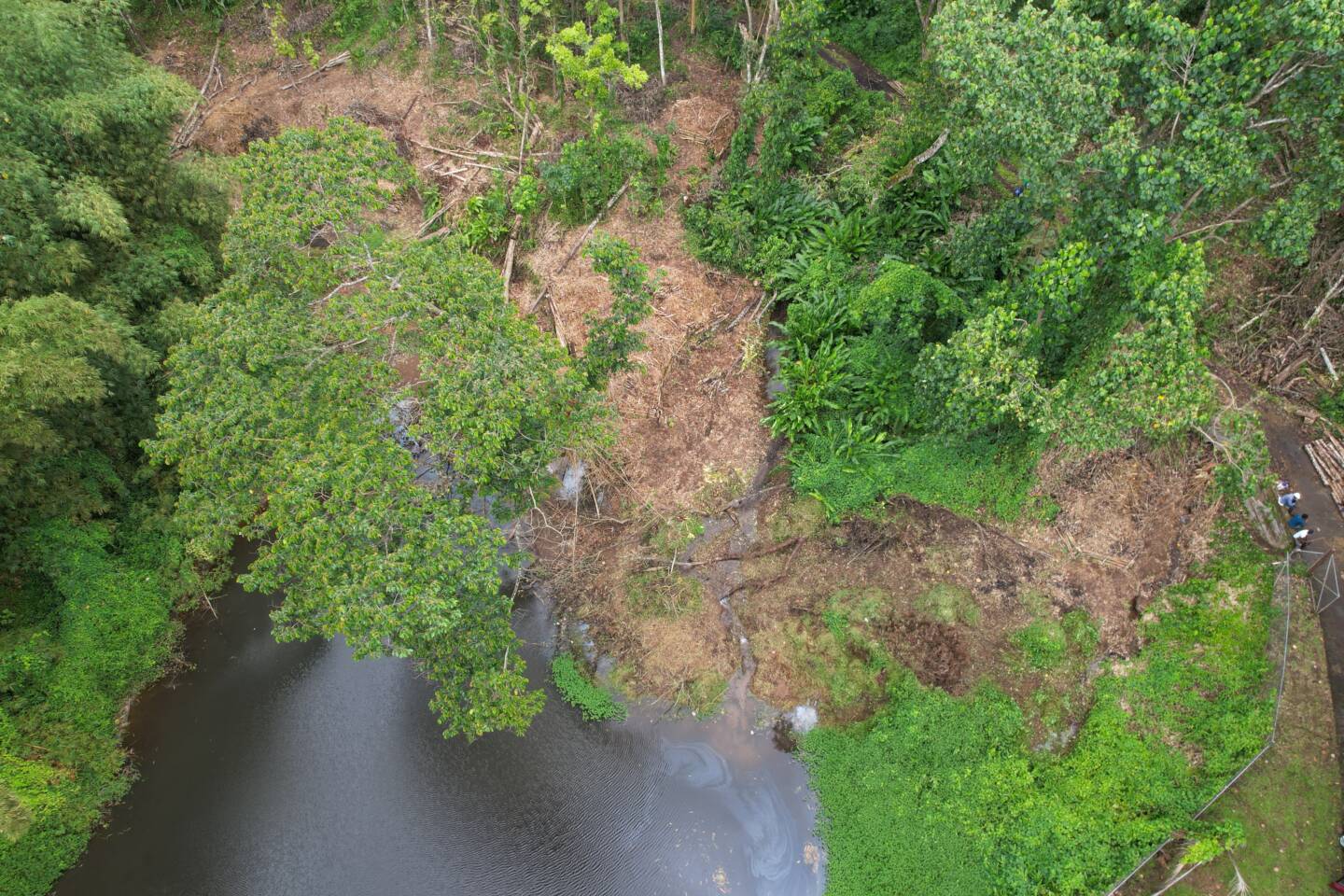
The restoration commenced in February 2025 and was completed in April, spearheaded by the Partnership Initiative for Sustainable Land Management (PISLM) — a Caribbean Inter-Governmental Organisation — through our Multicountry Soil Management Initiative for Integrated Landscape Restoration and Climate-Resilient Food Systems (SOILCARE) initiative. The project is supported by the Global Environment Facility (GEF), with implementation support from the Food and Agriculture Organisation (FAO), and Grenada’s Ministry of Agriculture and Lands, Forestry, Marine Resources and Cooperatives.
“We will be replacing the invasive species with other species that can go through a drought period and provide the necessary shade. It is expected that this would reduce the erosion along the riverbanks and slopes with the planting of vetiver grass to stabilise riverbanks and slopes,” explained Project Manager Trevor Thompson.
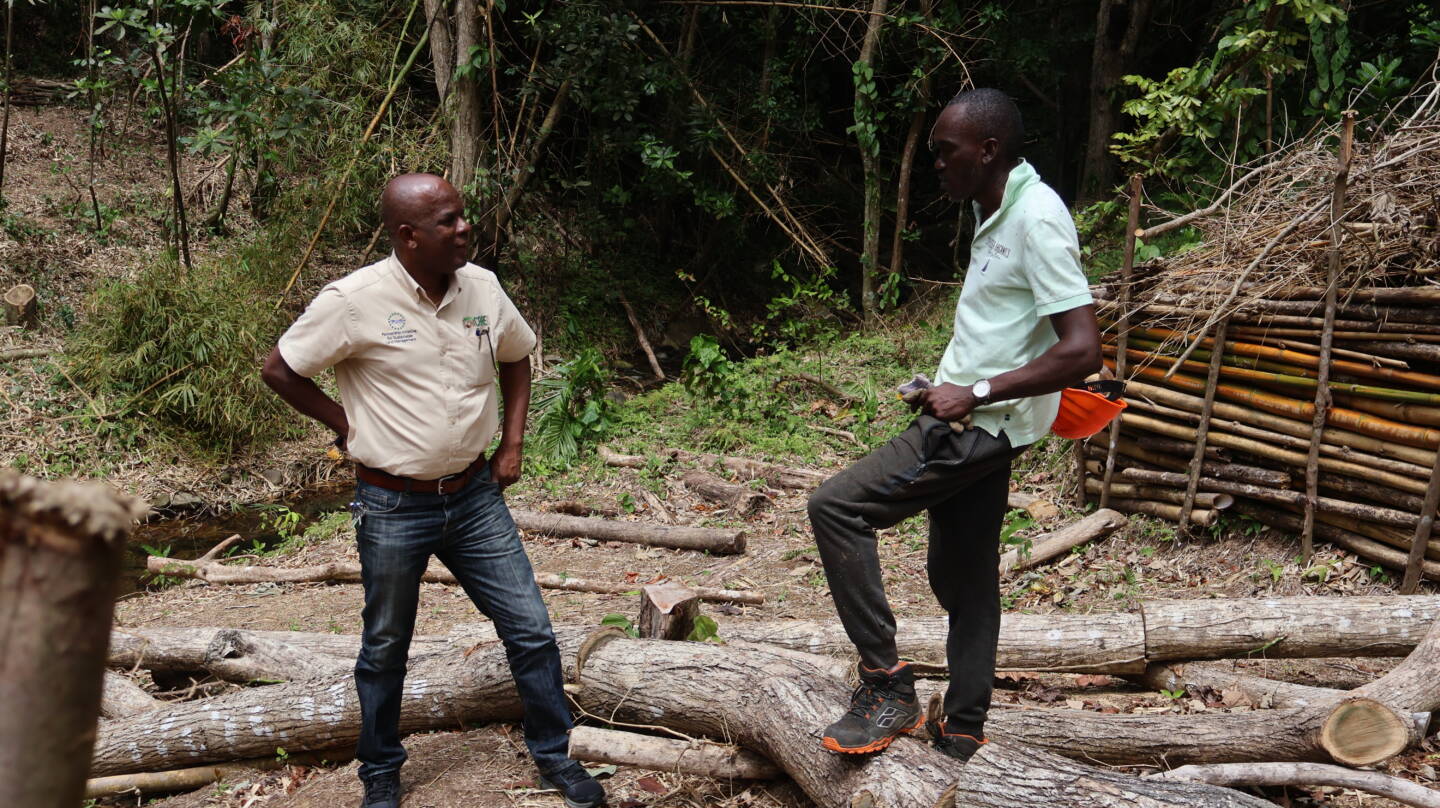
A total of 12 locals were trained and employed for this restoration. Fieldwork began with detailed assessments, including soil sampling and the mapping of invasive species. Restoration activities included cutting and shading bamboo stools to suppress regrowth, selective pruning of Blue Mahoe, and clearing of fallen logs to improve forest health.
“The logs from this project are also being shipped to Carriacou, where PISLM is implementing an Integrated Land Management Project. The logs are being used to re-fence the Government Livestock Facility, and the bamboo is being used to support rebuilding efforts,” Thompson added.
Under Phase 1 of the SOILCARE Project, the rehabilitation will cover 10 acres of degraded land. It represents an investment of EC$88,158.50, dedicated to building long-term resilience by restoring degraded lands in this vital watershed.
PISLM
Continue Reading