


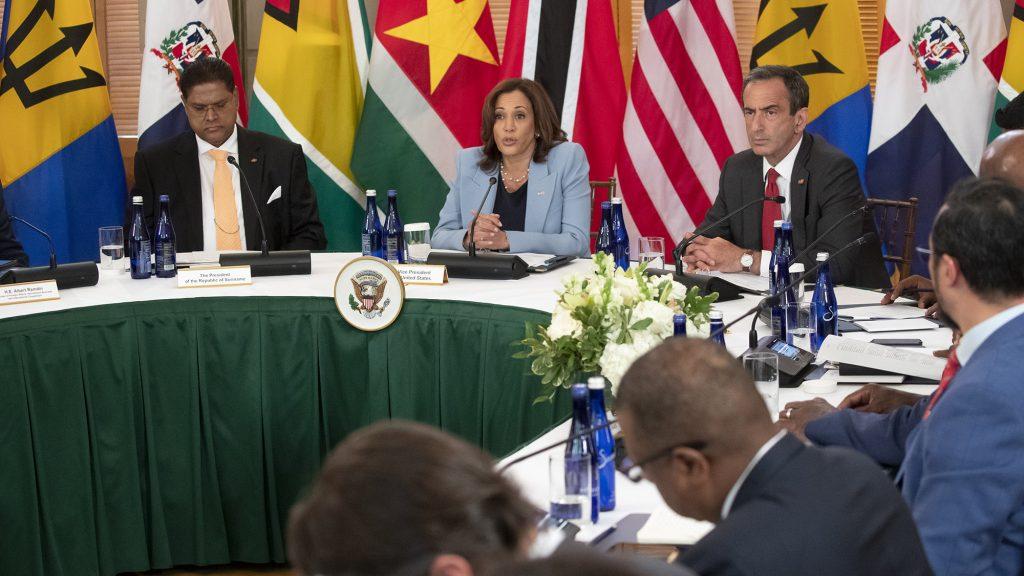
As global dynamics continue to evolve, the importance of regional cooperation and solidarity cannot be overstated. In recent years, Caribbean and Latin American nations have increasingly sought to bolster their diplomatic relations, driven by shared historical ties, economic interdependence, and cultural affinities. This renewed focus on collaboration comes at a time when both regions face complex challenges, including economic vulnerabilities, climate change, and geopolitical shifts. With initiatives aimed at enhancing trade, security, and environmental sustainability, leaders from these diverse nations are navigating a path toward a more integrated and resilient future. This article explores the significance of strengthened ties between the Caribbean and Latin America, highlighting key diplomatic efforts, emerging partnerships, and the potential for transformative change in the region.
Table of Contents
- Building Economic Partnerships to Foster Regional Stability
- Enhancing Cultural Diplomacy for Social Cohesion
- Addressing Climate Change through Collaborative Efforts
- Leveraging Technology for Improved Diplomatic Engagement
- Concluding Remarks
Building Economic Partnerships to Foster Regional Stability
In an era marked by global interdependence, the Caribbean and Latin America are increasingly recognizing the need to forge robust economic partnerships that underpin stability within the region. These collaborations not only enhance trade but also foster a sense of solidarity among nations. Key initiatives include:
- Trade Agreements: Bilateral and multilateral agreements that aim to reduce tariffs and improve market access for goods and services.
- Joint Ventures: Collaborative investments in sectors such as renewable energy, agriculture, and tourism.
- Infrastructure Development: Shared projects that enhance transportation networks, thereby facilitating better economic integration.
Moreover, the establishment of regional organizations such as the Caribbean Community (CARICOM) and the Latin American and Caribbean Group (GRULAC) has been pivotal in promoting cooperative economic policies. These forums provide a platform for dialog and negotiation, allowing countries to address challenges such as resource allocation and economic diversification. The table below summarizes some current economic partnership projects:
| Project Name | Participating Countries | Sector |
|---|---|---|
| Renewable Energy Initiative | Jamaica, Brazil, Colombia | Energy |
| Tourism Development Program | Barbados, Mexico, Dominican Republic | Tourism |
| Agricultural Cooperation Project | Trinidad and Tobago, Peru, Costa Rica | Agriculture |
Enhancing Cultural Diplomacy for Social Cohesion
In an era where cultural understanding serves as a bridge between nations, promoting shared heritage and mutual respect within the Caribbean and Latin American regions becomes essential. Through the art of storytelling, music, and culinary exchanges, nations can create immersive experiences that foster connections among diverse communities. Key initiatives may include:
- Organizing cultural festivals that showcase traditional crafts, music, and dance.
- Implementing educational programs aimed at teaching students about regional histories and artistic expressions.
- Facilitating artist residencies that allow creators to engage with local populations and share their unique narratives.
Furthermore, leveraging social media platforms for cultural diplomacy can amplify these efforts, allowing citizens to participate in and celebrate their shared cultural identities. Establishing partnerships among governmental bodies, non-profits, and local communities can lead to greater social cohesion by promoting tolerance and understanding. A proposed framework highlights several collaborative steps:
| Step | Description |
|---|---|
| Awareness Campaigns | Utilize social media to highlight cultural diversity and historical ties. |
| Exchange Programs | Facilitate youth and artist exchanges between nations to enhance cultural insight. |
| Joint Initiatives | Create collaborative projects focusing on environmental, social, and cultural issues. |
Addressing Climate Change through Collaborative Efforts
Addressing the urgent challenges of climate change requires a unified front that transcends national borders. The Caribbean and Latin America have recognized the need for collaborative efforts to mitigate the devastating impacts of climate-related phenomena. Both regions are vulnerable to rising sea levels, increased hurricane intensity, and unpredictable weather patterns. By forging partnerships and sharing resources, these countries can implement innovative strategies that promote environmental sustainability while bolstering their economies. Initiatives such as regional climate summits, joint funding programs, and scientific research collaborations can create a robust foundation for tackling climate concerns effectively.
Key aspects of this collaborative approach include:
- Knowledge Sharing: Developing platforms for exchanging climate data and best practices.
- Resource Mobilization: Pooling financial and technical resources to support adaptation and resilience projects.
- Policy Alignment: Harmonizing environmental policies to enhance the effectiveness of climate action measures.
To exemplify the potential of these collaborations, a recent initiative highlighted partnerships for renewable energy development, focusing on solar and wind power throughout the Caribbean islands and neighboring Latin American nations. Below is a summary of recent projects and their projected impacts:
| Project | Location | Impact |
|---|---|---|
| Solar Energy Farms | Dominican Republic | Reduce energy costs and carbon emissions |
| Wind Energy Initiative | Jamaica | Generate sustainable power and create jobs |
| Coastal Restoration Project | Cuba | Enhance resilience against storms and sea-level rise |
Leveraging Technology for Improved Diplomatic Engagement
In today’s interconnected world, the role of technology in diplomacy cannot be overstated. Video conferencing tools, social media platforms, and data analytics have transformed how nations engage with one another, fostering real-time dialog and collaboration. Caribbean and Latin American nations can leverage these technological advancements to enhance communication strategies, promote cultural exchanges, and streamline decision-making processes. By utilizing digital platforms, governments can reach a larger audience, ensuring that diplomatic messages resonate not just with leaders but also with the citizens they represent.
Moreover, the integration of technology into diplomatic practices allows for a more data-driven approach in addressing regional challenges. Smart technology can help in monitoring and managing shared resources, such as marine ecosystems, while AI-driven analytics can assist in understanding public sentiment and engagement levels. This data can provide diplomats with insights that are crucial for formulating effective regional policies and agreements. By fostering partnerships with tech companies and academic institutions, Caribbean and Latin American countries can create robust frameworks for collaborative problem-solving that addresses issues such as climate change, economic development, and security.
Concluding Remarks
the evolving diplomatic relationship between the Caribbean and Latin America signifies a crucial shift towards enhanced cooperation and solidarity in the region. As nations work collectively to address shared challenges—ranging from economic instability and climate change to social inequalities—their commitment to fostering dialog and collaboration has never been more vital. Strengthening these ties not only promotes mutual prosperity but also reinforces the region’s collective voice on the global stage. As we look towards the future, continued engagement and investment in these diplomatic efforts will be key to unlocking the full potential of Caribbean and Latin American partnership, ensuring that these rich and diverse cultures thrive together in an increasingly interconnected world.