


While the referendum debate has been dominated by the cruise berthing question, the two other questions – whether to have a National Lottery and whether possession of cannabis should be decriminalised – have largely slipped under the radar.
While on the surface they are two very different issues, a Yes vote on either of them could have a significant impact on Cayman life, and feelings are running strongly on both sides.
Rather like the cruise berth issue, the question of whether to decriminalise cannabis – the specific referendum question is “Do you support the decriminalisation of the consumption and possession of small amounts of cannabis?” – has been a subject for discussion for many years.
Pros and cons of relaxing the rules
Campaigners for a change have long argued that the current approach of criminalising cannabis users is not working, either from a health or a law enforcement perspective, while having a criminal record in Cayman can be a huge obstacle for employment, travel and future prospects.
From the other side, there are concerns that having a more liberal approach to cannabis, also known as ganja, will encourage greater drug use from an earlier age, and could pave the way to stronger and more destructive drugs.
Dr. Marc Lockhart, consultant psychiatrist and former chairman of the Mental Health Commission, says that while his early medical training taught him that cannabis was a detrimental substance with no beneficial components, his thinking has since undergone a significant change.
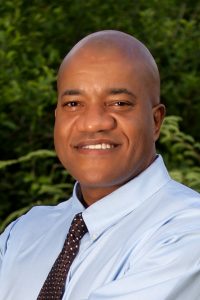
“Over the years, I’ve seen that some people who were using it illicitly were benefiting from its use,” he said, “such as people with chronic pain issues, especially nerve pain, people with MS (multiple sclerosis), people with seizures and so on.”
Lockhart is now a firm advocate that cannabis should be decriminalised, but, he says, “This doesn’t mean that we’re going to be handing it out at schools or that we’re endorsing that children should have it. But formally putting in guard rails and methods for monitoring the use and the availability of cannabis would be more protective for our environment and young people.”
Medicinal cannabis legalised in 2017
Fears that there would be an adverse effect on society when cannabis for medicinal use was legalised in the Cayman Islands in 2017 were not realised, Lockhart points out, and says that further liberalisation will protect people in need.
“Right now, young people and adults who have an issue with cannabis use are afraid to seek treatment,” he adds. “They are afraid that it will be documented, that it will affect their insurance coverage, that it could affect their employment and their immigration status. So it pushes those away from treatment.”
Lockhart also argues that arresting and charging cannabis users is an unnecessary burden on precious police resources, taking their focus away from more serious issues, plus decriminalising cannabis could significantly impact the organised drug trade which sees drugs arrive by boats from overseas that are also carrying weapons and other illegal items. Instead, he argues, “It could be very similar to how cigarettes or alcohol are already regulated here.”
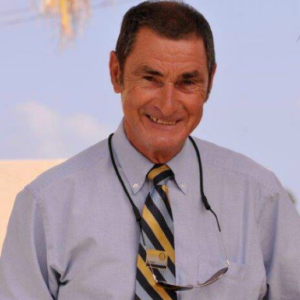
Someone with first-hand experience of the illegal drugs trade in the Cayman Islands and wider Caribbean region is Derek Haines, former head of the Cayman Islands Drugs Task Force and author of ‘Hazardous Waters’, an account of his 40-year career in the police service.
Haines investigated the narcotics trade for many years and told the Compass, “The weight of evidence seems to favour the legalisation of the use of ganja. Many countries have gone that route. The ganja traffickers will not favour legalisation as their vast profits will diminish.”
He added, “If balanced against the use of alcohol, medical opinion seems to consider that ganja is less of a danger if not abused. As with alcohol, though, if ganja is legalised the laws regarding being under the influence, impaired whilst driving or in charge of minors, etc., need to be enacted, observed and enforced.”
Given the broad nature of the referendum question, details about enforcement and other elements are expected to be ironed out by the future government. Said Lockhart, “Any decriminalisation would need to include a discussion about the exact quantity that a small amount is and the permission for people to grow it for their own use. Other jurisdictions, such as Paraguay, already have these types of rules in place, and there’ll be further debate about how best it will fit into our situation here.”
He added, “There are some people who should not touch cannabis, in the same way that there are some people who should not touch alcohol. But with alcohol, you have AA meetings, you can get help, but if you have a problem with cannabis, you have to be careful because you could be arrested.”
Earlier calls for a referendum
In 2022, Lockhart was one of the first people to sign a petition initiated by lawyer Orrie Merren and businessman Prentice Panton to trigger a people-initiated referendum on the issue. Speaking to the Compass at the time, Merren said he believed current criminalisation of cannabis use impacts personal freedom and privacy, citing court judgments in Commonwealth counties, including St. Kitts and South Africa, that indicated prohibiting personal use of cannabis interfered with constitutional rights to privacy and freedom of conscience.
Merren also drafted sample legislation, similar to that enacted in Jamaica and Bermuda, that he believes could form the basis for reform in Cayman and this week he submitted a public consultation document co-authored with Lockhart to address the 2025 referendum question.
In it, Merren and Lockhart say, “We are of the view, as has been the experience in other jurisdictions, that the Wide Decriminalisation scope is the best way forward … With proper implementation, limited resources can be better applied towards tackling problems associated with hard drugs, (including illicit trafficking) and serious crime, as well as re-focusing efforts concerning personal uses of cannabis toward rehabilitation and drug education.”
Forefront debate
Speaking to Compass Media’s Tammi Sulliman, former director of labour and pensions and former candidate for West Bay West, Mario Ebanks said that he sympathised with people who, “for various social reasons, have gone astray and engaged in such anti-social destructive behaviour,” but asked, “Are you going to use a maul to kill a mosquito? Are there other alternatives, if you’re concerned about people getting a criminal record and they can’t travel to university, or they can’t go with their football team on a trip because they have a record? Are there other ways of dealing with that?”
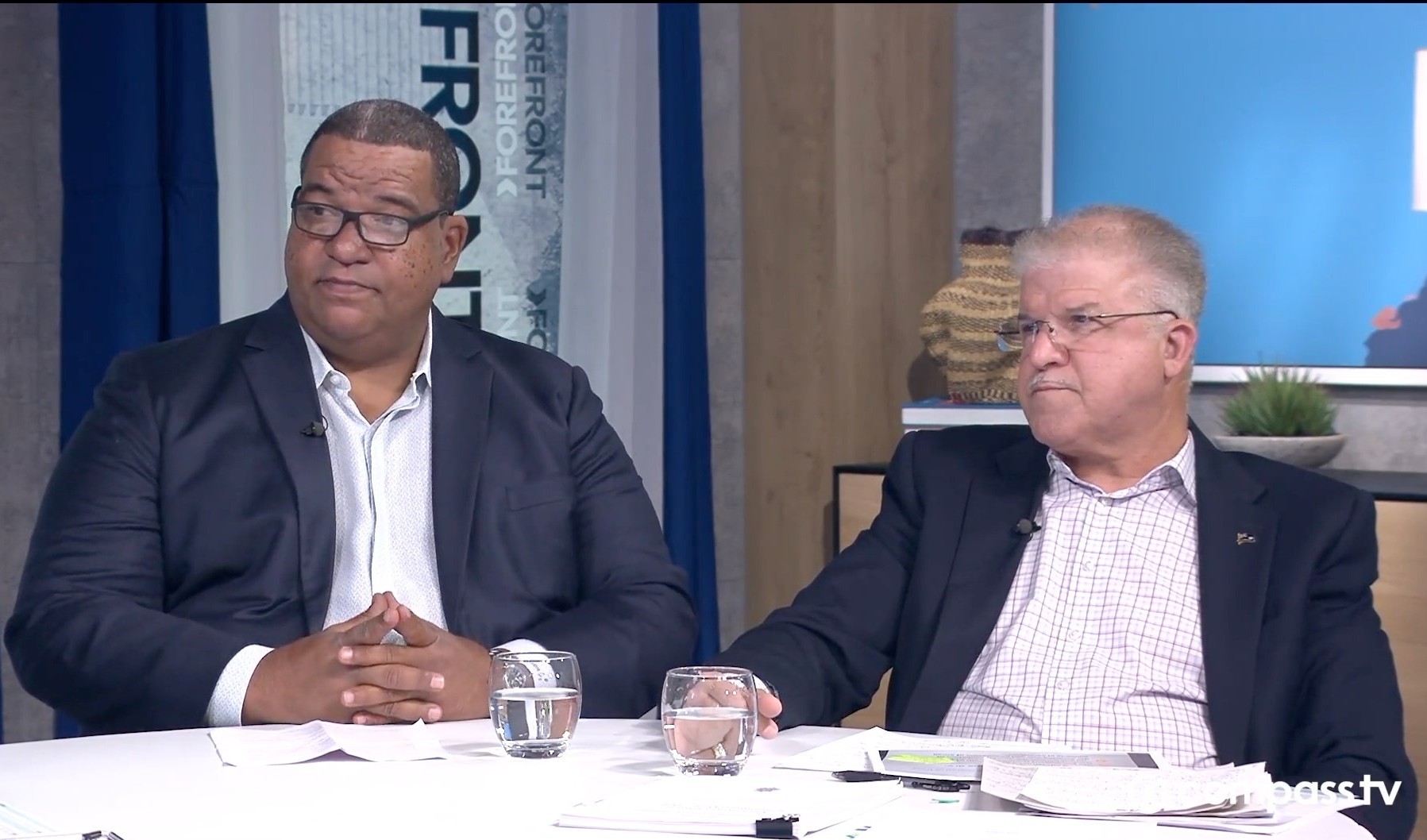
Appearing alongside Ebanks was former Prospect MP and talk show host Austin Harris, who said that many of the details still had to be worked out.
“This is a question on decriminalisation, not legalisation, so therefore there is a difference,” he said. “It simply means a person caught in possession and/or consumption for small amounts, which also has to be defined. So really, this question asks two questions in one, so what is a small amount of cannabis? and secondly, it will not appear on your criminal record.”
Limits to travel
Harris added, “The freedom of movement is a fundamental human right. My colleague talks about football programmes and going off to a concert or engaging in some social activity. But what if a person needs life saving medical treatment?
“They cannot travel if they have a criminal record, you cannot get a passport, a waiver, an ESTA. It’s very difficult to get travel documentations if you carry a criminal record of which the possession and consumption of cannabis in the Cayman Islands gives you. So that is a problem.”
Harris also raised the prospect of Caymanians who are applying for jobs being disadvantaged over candidates from other nationalities where cannabis use has been made legal, such as in many US states and Canada.
“An American applying for that job who has no criminal record, because it’s not a criminal offense, is at an advantage over that Caymanian for getting that job,” he said. “We have enough examples in this country where Caymanians are overlooked for employment, where employment rules don’t matter. Why add another hurdle to them?”
Cautionary note sounded
But a note of caution was sounded by Ebanks who quoted from a 2021 CNN report.
“It says research shows cannabis use is associated with early onset of mood disorder, psychosis and anxiety disorders, so it can lead to onset of severe mental illness,” he said.
“It also talks about the spread of recreational marijuana. You’re going to have medicinal marijuana, or medicinal cannabis approved in Cayman, but the recreational one is where we are about to go. To do a Paul Keens-Douglas thing, we’re on the age of a precipice and about to make one bold step forward. We’re going too far with it.”
Details on all the referendum questions can be found on the government website.