


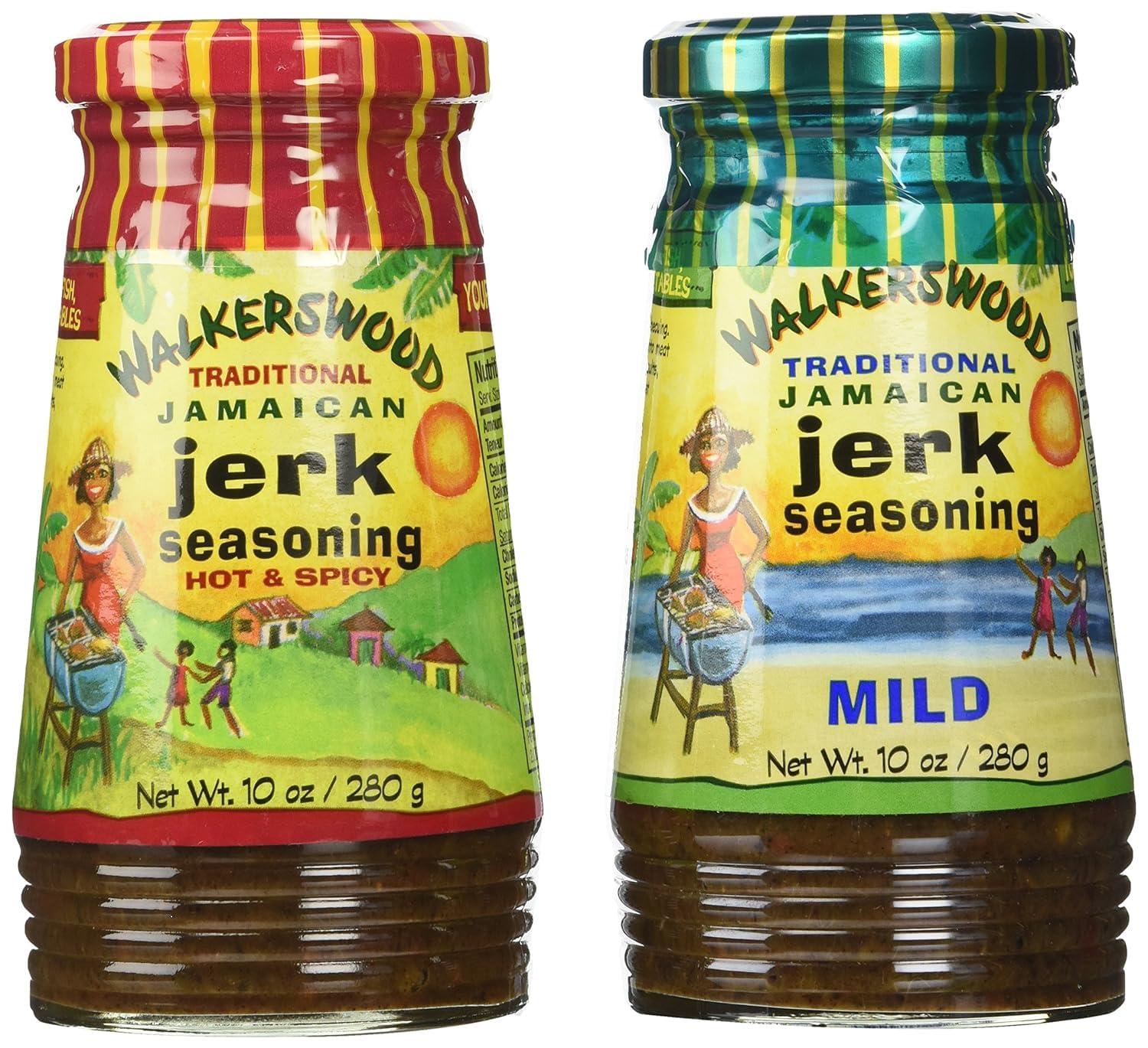
When it comes to Caribbean cuisine, vibrant flavors and rich aromas reign supreme, drawing food lovers from all corners of the globe to the sun-kissed shores of the islands. At the heart of this culinary tapestry lies one of the most iconic and beloved blends of spices: jerk seasoning. With its origins deeply rooted in Jamaican culture, jerk seasoning has transcended geographical boundaries and become a celebrated staple not only in the Caribbean but also on international tables. In this article, we will explore the essential role of jerk seasoning in shaping Caribbean cuisine, delving into its history, preparation methods, and the diverse ways it elevates dishes. Join us as we uncover the secrets behind this fiery blend that encapsulates the spirit of the Caribbean, allowing each bite to tell a story of tradition, resilience, and a passion for bold flavors.
Table of Contents
- Exploring the History and Cultural Significance of Jerk Seasoning
- Key Ingredients that Define Authentic Jerk Seasoning
- Mastering the Art of Jerk Cooking Techniques
- Tips for Incorporating Jerk Seasoning in Everyday Meals
- The Conclusion
Exploring the History and Cultural Significance of Jerk Seasoning
Jerk seasoning boasts a rich history steeped in the cultural tapestry of Jamaica and the broader Caribbean region. Its origins trace back to the indigenous Taino people, who developed early forms of spice blends and techniques for preserving meat. The concept evolved significantly through the influence of enslaved Africans, who brought their own culinary traditions and flavors. Today, jerk seasoning is a blend of pimento (allspice), scotch bonnet peppers, and a variety of aromatic herbs and spices, creating a vibrant profile that embodies the spirit of Caribbean cooking. This unique blend has transcended borders, becoming synonymous with not just Jamaican cuisine but also an integral part of Caribbean identity itself.
The cultural significance of jerk seasoning extends beyond mere flavor; it is a narrative of resilience and ingenuity. For generations, families have maintained traditional recipes, often passed down through generations. Notably, jerk is not just a technique for cooking; it represents a communal experience, where gatherings are celebrated over the sizzling of seasoned meats on open flames. The popularity of jerk has also fostered a culinary movement, inspiring events such as jerk festivals and international exposure through culinary tours. This rich heritage ensures that jerk seasoning remains a beloved staple, embodying a sense of unity and cultural pride among Caribbean people around the world.
Key Ingredients that Define Authentic Jerk Seasoning
At the heart of authentic jerk seasoning lies a blend of bold flavors and vibrant spices that come together to create a symphony of taste. The foundation typically includes:
- Pimento (Allspice) – This unique spice provides a sweet yet spicy flavor that is essential to capturing the essence of jerk seasoning.
- Scotch Bonnet Peppers – Known for their intense heat, these fiery peppers are a staple ingredient that add a distinctive kick to the mix.
- Thyme – Fresh or dried, thyme brings an aromatic earthiness that balances the spiciness.
- Garlic and Ginger – These two ingredients offer depth and a savory quality that enhances the overall flavor profile.
- Brown Sugar – The slight sweetness helps to caramelize the marinade during cooking, adding to the complexity.
In addition to these key components, regional variations often introduce unique twists, further enriching the seasoning’s authenticity. Essential herbs often included are:
| Herb | Flavor Contribution |
|---|---|
| Green Onions | Freshness and a mild oniony taste |
| Cilantro | A bright, citrusy note |
| Bay Leaves | A subtle depth in the background |
These components, each playing a crucial role, culminate in a marinade that embodies the spirit of Caribbean cuisine. The meticulous balance of heat, sweetness, and aromatic richness not only defines jerk seasoning but also celebrates the cultural heritage it represents.
Mastering the Art of Jerk Cooking Techniques
When diving into jerk cooking, one must first appreciate the unique blend of spices that define this iconic Caribbean style. Jerk seasoning is not just a series of ingredients; it is an art form that celebrates the rich traditions of Caribbean culture. The cornerstone of great jerk cooking lies in mastering the balance between heat and flavor, typically achieved through the use of the following key components:
- Allspice – The essential spice that brings warmth and depth.
- Scotch Bonnet Peppers – Known for their fiery heat and fruity flavor.
- Thyme – Adds a fragrant herbal note.
- Garlic and Onions – Essential for a savory base.
- Brown Sugar – Provides a necessary sweetness to balance the spice.
To truly master jerk cooking techniques, it is crucial to understand the methods of marination and cooking. Marination is key; allowing your protein—be it chicken, pork, or even vegetables—to absorb the flavors overnight enhances the taste significantly. Additionally, the cooking process traditionally involves using a grill or smoke, which imbues the dishes with a distinctive smoky flavor. Below is a simple guide to these key techniques:
| Technique | Description |
|---|---|
| Marinade | Coat your protein in jerk spice mix and let it sit for at least 4 hours, preferably overnight. |
| Grilling | Cook over medium-high heat, ensuring to turn occasionally for even cooking. |
| Smoking | Add wood chips for a rich, smoky flavor, mimicking traditional Caribbean methods. |
Tips for Incorporating Jerk Seasoning in Everyday Meals
Incorporating jerk seasoning into your everyday meals is an adventurous way to elevate flavors and add a hint of Caribbean flair. Start with the basics: marinate proteins such as chicken, shrimp, or tofu overnight in a blend of jerk seasoning, olive oil, lime juice, and your choice of additional herbs. This simple method allows the spices to penetrate deeply, creating juicy and aromatic dishes. Don’t stop there; jerk seasoning also shines in vegetarian dishes. Toss roasted vegetables like brussels sprouts, sweet potatoes, or bell peppers with jerk seasoning for a vibrant side that complements any main course.
For a quick and easy weeknight meal, consider adding jerk seasoning to grains or pasta dishes. Stir it into quinoa or brown rice for a zesty twist, or blend it into a creamy sauce for pasta. Another fun way to use jerk seasoning is in salsas and dips; combine diced mango, avocado, red onion, and a touch of jerk seasoning for a refreshing dip that pairs beautifully with tortilla chips or grilled fish tacos. Here’s a simple flavor chart to inspire your culinary creations:
| Ingredient | Suggested Pairing |
|---|---|
| Chicken | Grilled with jerk marinade |
| Fish | Pan-seared with jerk rub |
| Vegetables | Roasted with olive oil and jerk spice |
| Beans | Incorporated in salads with jerk dressing |
The Conclusion
Conclusion
jerk seasoning is more than just a blend of spices; it is a vibrant symbol of Caribbean culture and culinary tradition. Its unique combination of flavors not only enhances the taste of various dishes but also tells a story of the islands’ rich history and diverse influences. Whether you’re grilling chicken, marinating shrimp, or adding a kick to vegetables, jerk seasoning offers an explosion of flavor that is hard to replicate.
As you explore the depths of Caribbean cuisine, remember that incorporating jerk seasoning into your meals is a way to celebrate this joyous and colorful heritage. So, whether you’re a seasoned chef or a home cook looking to elevate your dishes, don’t forget to keep some jerk seasoning on hand. Embrace the heat, savor the flavors, and let the essence of the Caribbean inspire your culinary adventures. Happy cooking!