


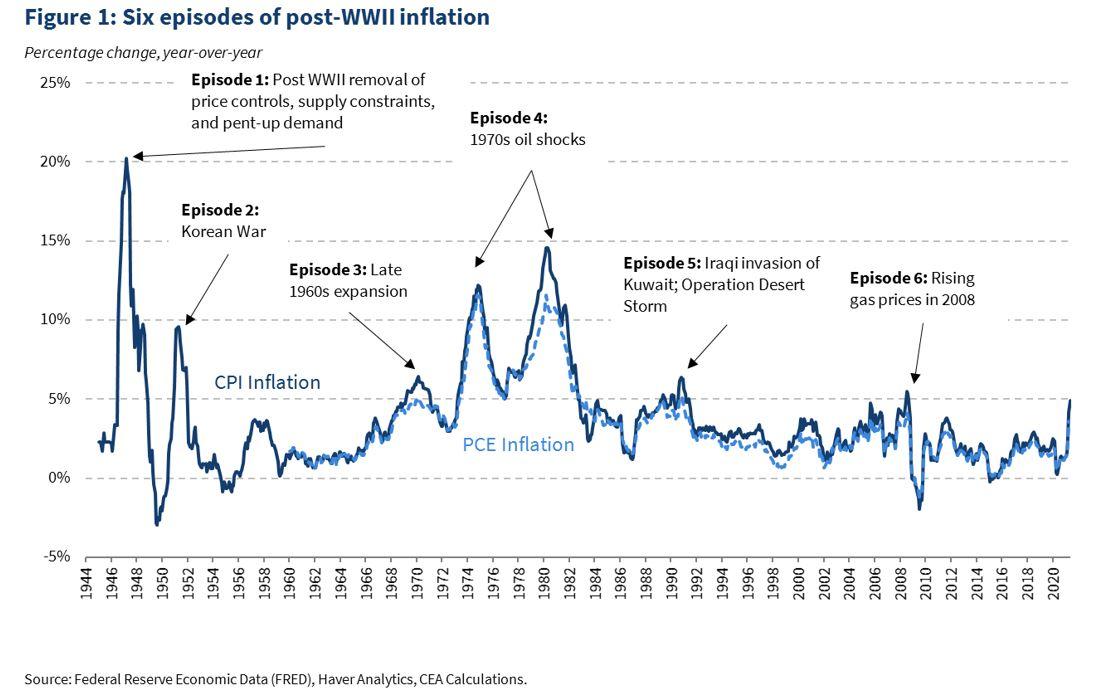
As the world grapples with unprecedented levels of inflation, the Caribbean region finds itself in a precarious position. Once considered a tranquil paradise for tourists and a vibrant hub for trade, the islands now face an economic storm fueled by soaring prices and supply chain disruptions. The ripple effect of global inflation has permeated various sectors, from tourism and agriculture to energy and consumer goods, creating a complex web of challenges for local economies. In this article, we delve into the multifaceted impacts of inflation on Caribbean nations, examining how spiraling costs are reshaping livelihoods, straining government budgets, and testing the resilience of island economies. With the future uncertain, understanding the nuances of this crisis is crucial for policymakers, businesses, and citizens alike as they navigate the turbulent waters ahead.
Table of Contents
- The Underlying Causes of Global Inflation and Its Impact on Caribbean Economies
- Assessing the Economic Vulnerabilities of Caribbean Nations Amid Rising Prices
- Strategies for Strengthening Local Economies Against International Market Pressures
- Fostering Regional Collaboration to Mitigate the Effects of Inflation on the Caribbean
- In Retrospect
The Underlying Causes of Global Inflation and Its Impact on Caribbean Economies
The current wave of global inflation has roots in several interconnected factors that reverberate across economies, including those in the Caribbean. Supply chain disruptions, prompted by the ongoing effects of the COVID-19 pandemic, have caused significant delays and increased costs for goods. Additionally, surging energy prices, fueled by geopolitical tensions and a recovery in demand, are exerting upward pressure on inflation rates worldwide. Further complicating this scenario, monetary policy responses from major economies, aimed at countering inflation, have led to tighter financial conditions, impacting investment flows into the Caribbean region.
As inflation escalates, Caribbean economies face unique challenges that exacerbate existing vulnerabilities. Rising costs of imported goods threaten food security and lead to increased living expenses for consumers. The tourism sector, a crucial pillar of many Caribbean nations, is also affected as increasing prices may deter international travelers. Moreover, the potential for higher interest rates to combat inflation can stifle local borrowing and investment, hindering economic growth. The cumulative impact poses risks not only to macroeconomic stability but also to social cohesion, as citizens grapple with eroding purchasing power and increased inequality.
Assessing the Economic Vulnerabilities of Caribbean Nations Amid Rising Prices
The Caribbean region, characterized by its small island economies and heavy reliance on imports, has found itself increasingly vulnerable to the global inflationary pressures that have surged in recent times. Rising prices for essential goods, from food to fuel, have led to significant financial strain on both consumers and governments. Many nations are grappling with the twin challenges of maintaining economic stability while ensuring that their citizens can afford basic necessities. This situation is exacerbated by the limited local production capacity and weak supply chain infrastructure, compelling Caribbean countries to absorb elevated costs that further deepen economic disparities.
To understand the impact of global inflation on these economies, it is crucial to consider several factors:
- Tourism Dependency: Many Caribbean nations rely heavily on tourism, making them susceptible to global economic downturns that can deter travelers.
- Import Reliance: As importers of nearly all goods, any increase in shipping costs directly translates to higher prices for consumers.
- Energy Costs: The region’s dependency on fossil fuels means that fluctuations in global oil prices disproportionately affect local economies.
| Country | Inflation Rate (%) | Major Imports |
|---|---|---|
| Jamaica | 9.2 | Food, fuel, machinery |
| Barbados | 6.5 | Oil, vehicles, building materials |
| Trinidad and Tobago | 5.8 | Raw materials, food products |
These vulnerabilities not only threaten immediate economic stability but also jeopardize long-term growth prospects for Caribbean nations. Addressing these challenges will require coordinated efforts to diversify economies, improve local production, and enhance resilience against external shocks. Increased investment in renewable energy and sustainable agricultural practices could play a pivotal role in mitigating the impacts of global inflation on the region.
Strategies for Strengthening Local Economies Against International Market Pressures
To mitigate the adverse effects of international market pressures, local economies in the Caribbean can adopt several adaptive measures that prioritize resilience and self-sufficiency. Implementing community-supported agriculture initiatives can bolster local food production, reducing dependence on imported goods. Additionally, fostering small business development through microfinance programs will empower local entrepreneurs and encourage innovation. Establishing economic cooperatives can further enhance local purchasing power and community wealth, with a focus on pooling resources and sharing profits among members.
Investing in sustainable tourism can also serve as a powerful strategy to stimulate local economies. By promoting eco-friendly practices and supporting local artisans, regions can attract visitors who are increasingly looking for authentic experiences, thereby generating income that stays within the community. Furthermore, enhancing digital connectivity and supporting local tech startups can provide new avenues for economic growth, enabling the region to tap into global markets while remaining rooted in local culture. A detailed breakdown of potential strategies is outlined in the table below:
| Strategy | Description | Expected Impact |
|---|---|---|
| Community-supported Agriculture | Direct partnerships between consumers and local farmers. | Enhances food security and reduces imports. |
| Small Business Development | Providing loans and support to local entrepreneurs. | Boosts job creation and innovation. |
| Economic Cooperatives | Group ownership of businesses or services. | Strengthens community ties and wealth sharing. |
| Sustainable Tourism | Encouraging eco-friendly travel that supports local economies. | Generates income while preserving culture. |
| Digital Connectivity | Investments in internet infrastructure and tech programs. | Facilitates access to global markets. |
Fostering Regional Collaboration to Mitigate the Effects of Inflation on the Caribbean
In the face of rising inflation, Caribbean nations find themselves at a crucial juncture where collaboration could turn challenges into opportunities. By joining forces, countries can share best practices and resources that not only buffer against inflation’s adverse effects but also fuel sustainable economic growth. Regional initiatives might include:
- Coordinated Economic Policies: Aligning fiscal and monetary policies can strengthen purchasing power and stabilize local currencies.
- Joint Procurement Strategies: Pooling resources to negotiate better prices for essential goods and services can help reduce costs for consumers.
- Investment in Renewable Energy: By transitioning to renewable energy sources, Caribbean nations can decrease reliance on imported fuel, thus mitigating energy price inflation.
To effectively implement these strategies, fostering multi-sectoral partnerships among governments, private sectors, and civil society is essential. This collaboration can manifest through:
| Collaborative Areas | Potential Outcomes |
|---|---|
| Research and Development | Innovation in agriculture to enhance food security |
| Infrastructure Investment | Improved transportation networks to lower logistics costs |
| Trade Agreements | Reduced tariffs boosting inter-island commerce |
By fostering such collaboration, Caribbean nations can create a resilient framework that not only helps counter inflation but also positions the region for more robust economic recovery and growth in the long term.
In Retrospect
the ripple effects of global inflation are reverberating across Caribbean economies, presenting both formidable challenges and opportunities for resilience and innovation. As rising prices for essential goods and services strain household budgets and hinder economic growth, policymakers and stakeholders must prioritize strategies that address the immediate needs of their populations while also fostering long-term sustainability. Collaborative efforts, anchored in regional unity and international support, will be crucial in navigating these turbulent economic waters. By leveraging the unique strengths of the Caribbean—its rich resources, vibrant cultures, and entrepreneurial spirit—nations in the region can work toward mitigating the impacts of inflation and building a more stable and prosperous future for all. As the world continues to grapple with economic uncertainty, the Caribbean’s ability to adapt will be pivotal not only for its own nations but also for the broader global economy.