


US President Donald Trump’s global trade war is expected to have cost-of-living impacts for Cayman, forcing up prices at grocery stores, increasing construction costs and making cars and household appliances more expensive.
The impact of Trump’s tariffs – and retaliatory action from impacted countries – is expected to fuel inflation globally.
Cayman is already seeing the effects and can expect that trend to continue, according to economists, developers, retailers and regional shipping firms.
Significantly, the tariffs are already impacting the price of construction materials, making development for housing and for Cayman’s tourism industry a pricier and less certain endeavour.
The volatility and instability in pricing has been compared to the situation during COVID and is expected to lead to inflation across the board.
The key US administration decisions that could impact cost of living are:
- A 25% tariff on steel and aluminium imports to the US from around the world
- A 25% tariff on any imports to the US from Mexico and Canada
- A 25 per cent levy on vehicles imported into the US from everywhere else in the world (with partial exceptions for Mexico and Canada)
- An increase to 20% of the tariff on all imports to the US from China (previously this was 10%)
- A proposal to put a up to US$1.5 million tariff on Chinese-built ships – many of which are used by Caribbean shipping firms – on every US port call.
What is the intent?
Trump has indicated a belief that his tariff policy will help the US get better deals with its neighbours, reignite domestic manufacturing and ultimately lead to a stronger economy and greater employment in the US, particularly in blue-collar jobs.
However, he and various members of his Cabinet have accepted that the immediate consequence will be price inflation and possibly a recession.
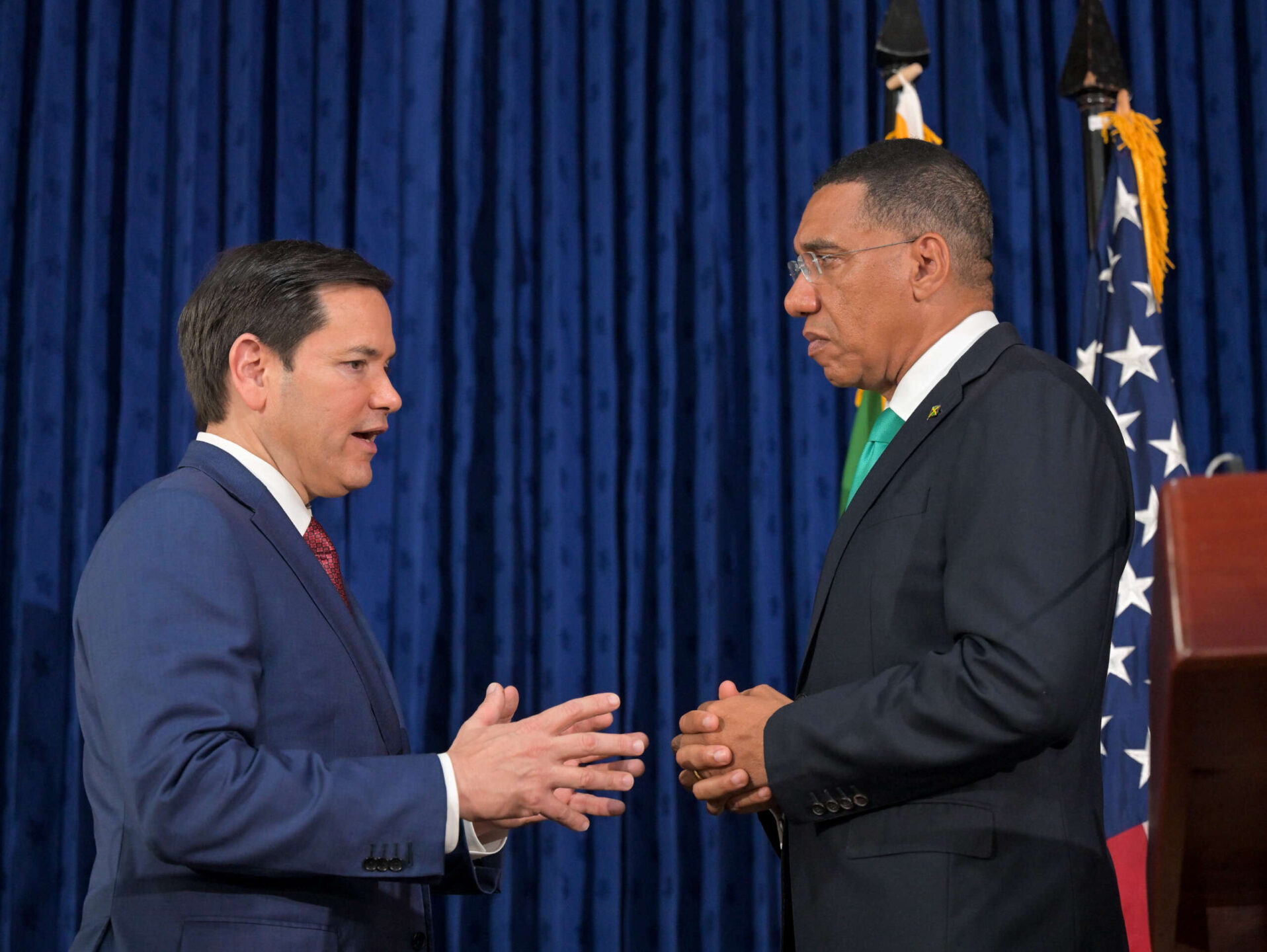
Speaking at a press conference in Jamaica, Wednesday, US Secretary of State Marco Rubio said Trump was seeking to reset global trade after decades of “unfairness”. He suggested the longer term impact of the policy would be to bring manufacturing back to the region.
Short-term pain for long-term gain has been the maxim. However, many economists question this analysis, arguing that it will simply be pain all round.
Simon Cawdery, a Compass columnist and host of Radio Cayman’s ‘Money Sense’ show, said tariffs are essentially taxes paid for by consumers.
In trade wars, he says, everyone loses.
“It is a zero-sum game. There’s no outcome that will be better for everyone and in all likelihood all outcomes are worse for everyone.”
Impacts for Cayman
There’s an old adage that when America sneezes, Cayman catches a cold. The impacts we can expect to see in Cayman are downstream effects of inflation in the US.
Produce comes to Cayman from Mexico and South America – usually via distributors in Florida.
Steel and aluminium for the construction industry often come here from the US, having been sourced in bulk supply in the first instance from China.
New vehicles are largely sourced from the US and any inflation there will be kicked on to Cayman.
The movement of all goods to Cayman relies on shipping, another area which could see cost increases if a new tariff on Chinese-built vessels comes into effect.
Cayman imported $1.3 billion from US last year
James Balfour, senior portfolio manager at Cayman-based LOM Financial, cites US Census Bureau Data that shows Cayman imported $1.3 billion of goods from the US last year – accounting for 80% of overall imports.
An unquantified, but likely significant, portion of that will have originally been sourced outside of the US and is potentially subject to inflation as a result of the tariffs.
Cayman could look at other shipping options, says Balfour. But the islands’ economy is built on the export of services and the import of goods and we are, therefore, highly susceptible to fluctuations in pricing on food, materials and transport.
Balfour adds, “Cayman is unable to magic up large auto facilities, crop fields and steel works, therefore it will just have to bear the impact of the costs.”
So the consequences for Cayman are likely to be inflation on groceries, appliances, cars, and materials for the trades, and higher costs for developers – which ultimately will be passed on to consumers in the form of higher housing prices, for example.
Let’s look at three of the key impacts in turn:
1. Groceries are likely to be more expensive
Almost everything Cayman imports for its restaurants and grocery stores comes from or through the US.
Produce will almost certainly go up in price as a result of those tariffs.
Shane Foster, of Progressive Distributors, confirmed this.
“The newly imposed tariffs on produce coming through the US will result in higher prices for certain items, such as avocados,” he said.
“We are proactively exploring alternative sourcing options, including regional and local suppliers, to help maintain competitive pricing for our customers.”
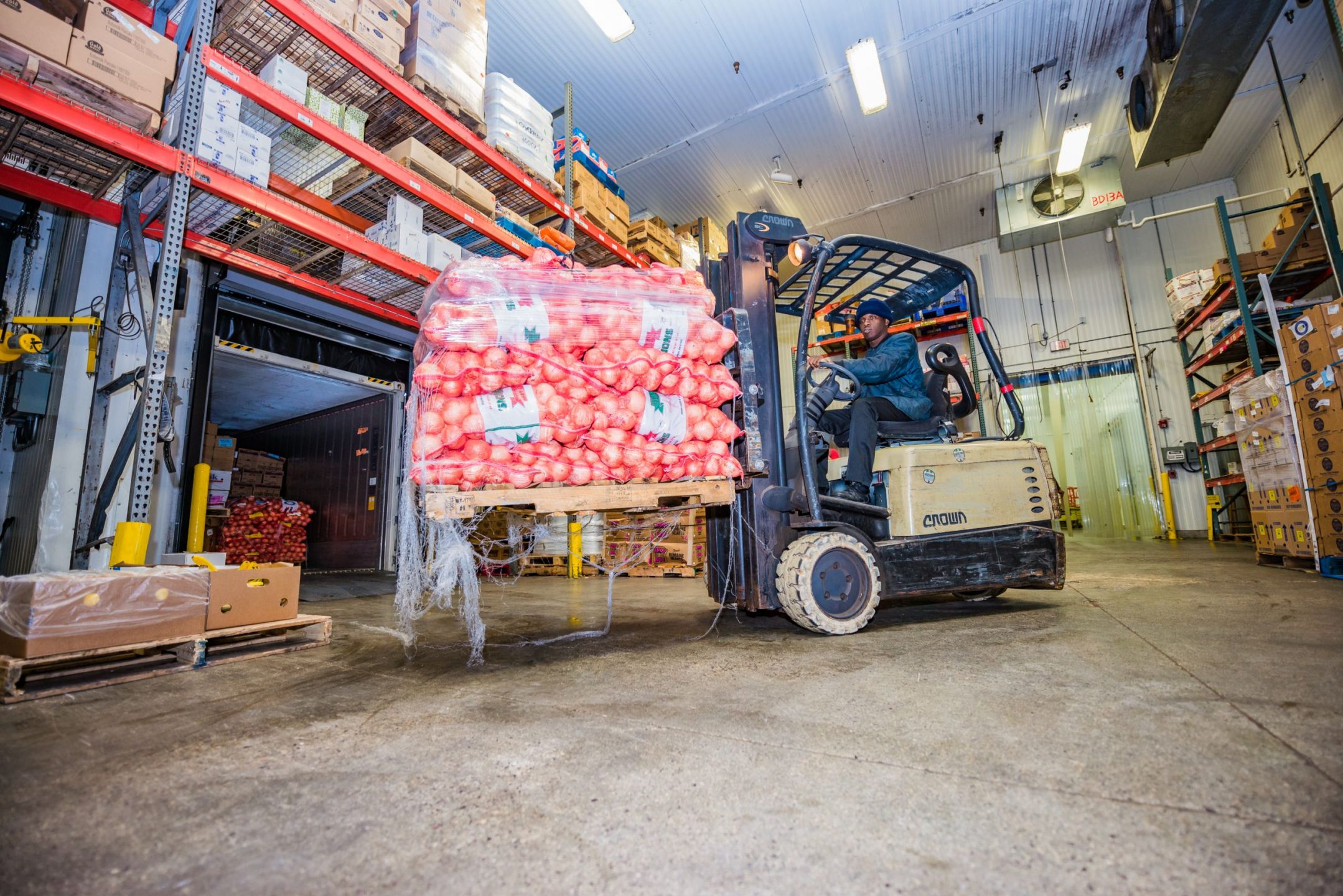
Woody Foster, of Foster’s supermarket chain, said a lot of produce comes to Cayman from Mexico via the US. He said the impacts are still uncertain as information on tariffs changes frequently making it a “moving target”.
He is already seeing some impact, however, and said work was ongoing with Foster’s suppliers to “procure accordingly” and keep prices down.
2. Construction and development already impacted
The construction industry in Cayman is already feeling the pain.
One business leader likened the volatility and uncertainty to the COVID era and said contractors were having to include ‘price escalation’ clauses to guard against future shocks.
Dave Johnston, managing director of Corporate Electric and former president of the Cayman Contractors Association, said the uncertainty made quoting prices for jobs extremely difficult.
He said he had already seen increases on lighting products and generators – which are manufactured in the US but use imported aluminium. Similar inflation is already being noted or is expected across the construction industry.
For large projects – like a hotel or a school, for example – those impacts could add up to millions of dollars.

Gary Gibbs, Dart’s executive vice president of development, indicated that the company had been notified by several of its suppliers that costs on building materials would rise and that there was no way to avoid price increases for certain manufacturers.
Market advice issued by a large building supplier, which imports everything from plumbing and electrical materials to air conditioning units and appliances to Cayman, indicated that it could make no long-term guarantees on pricing.
“All prices are subject to change at any time based on evolving market conditions.”
Larger companies, like Dart, may have enough bulk buying power to explore alternate supply chains that avoid the US completely or arrange for bonded shipments passing through the US.
But this can be more difficult for smaller contractors who do not have those economies of scale. Avoiding products manufactured or assembled in the US would also likely involve collaboration with Building Control to address certification issues for non US-sourced equipment and materials.
For projects in the design phase, architects and engineers can assist owners by exploring and specifying alternate equipment, materials and products that can be sourced from reliable, non-US manufacturers and suppliers, Gibbs added.
However, as international demand increases for non-US goods, pricing and lead times could still rise even for goods sourced outside the US.
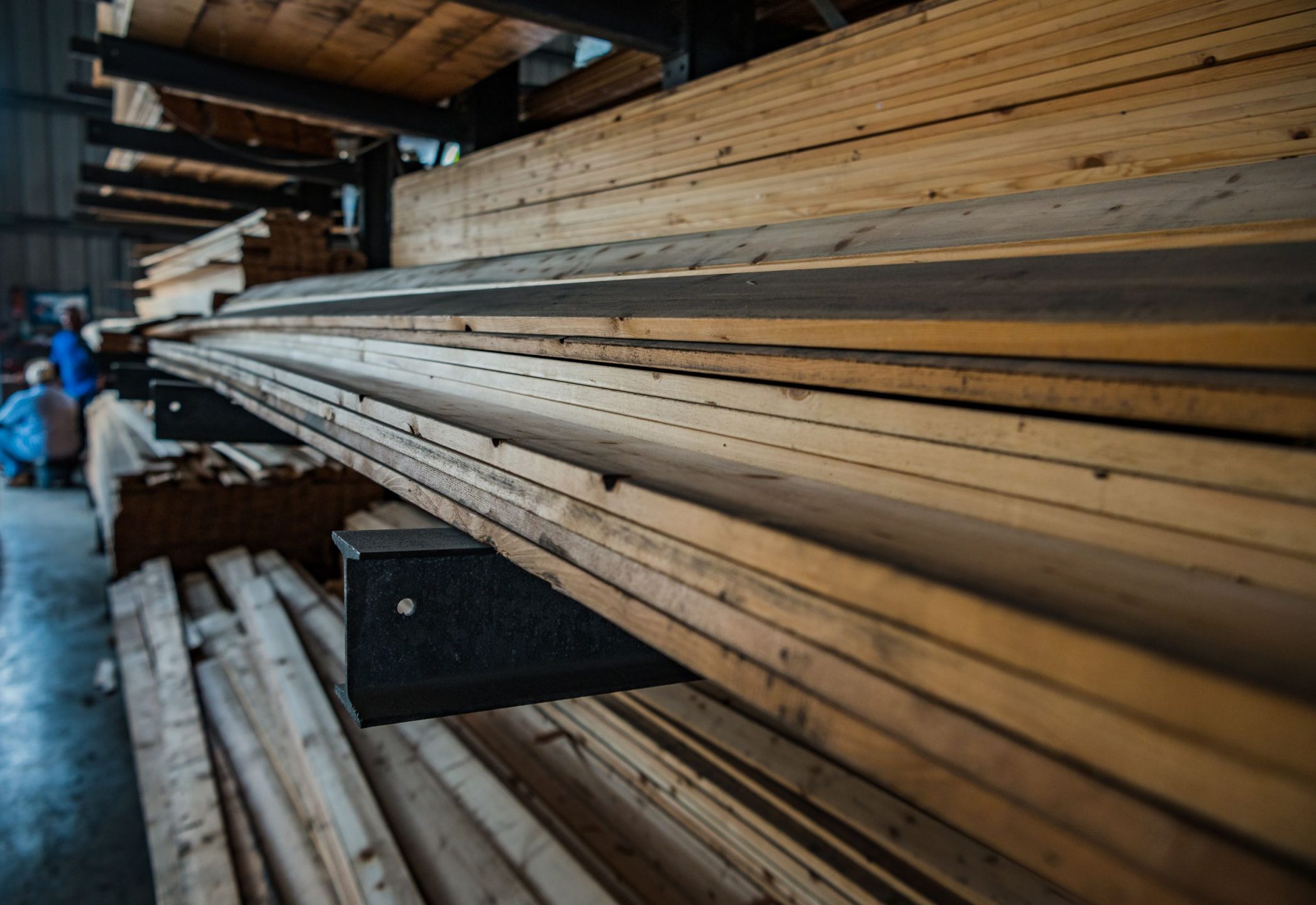
Larry Thompson, of A. L. Thompson’s, which supplies the building trade as well as residential consumers, said steel prices had already increased – even though it was largely sourced outside of the US. He expected to see impacts on lumber from Canada and the US, and on appliances which are often built in Mexico.
Many companies are scrambling to set up more bonded warehouses at US ports for exports – which would allow product to transit through without being subject to tariffs.
But he warned, “We have never seen a trade war like this with Canada and Mexico and there is no telling how much it can affect us yet.”
He said there was no doubt that tariffs would have a global impact on pricing and demand.
3. Tariffs on Chinese-built ships could impact cargo costs
One not yet imposed, but potentially significant, tariff is the proposal to begin charging steep levies on Chinese-built ships using US ports. The US Trade Representative Office has recommended fees of US$1 million per port call.
A public comment period is also currently open, giving industry stakeholders a chance to voice their opinion on the proposed measures.
Seaboard Marine, a company which operates throughout the Caribbean, including in Cayman, submitted comments as part of the consultation exercise, warning that a single ship visiting a US port once a week would face charges of $52 million annually.
“Most vessels serving the Caribbean basin and Latin America were built in China,” it warned.
“This fee will likely result in ocean freight charges increasing by thousands of dollars per container in the regions we serve.”
The shipping company wrote to businesses, including its customers in Cayman, warning of a variety of impacts on costs and level of service, including a reduction in port calls, that could stem from such charges, and encouraging them to write to the US Trade Representative’s Investigation as part of the consultation.
The impacts of higher shipping costs for Cayman would, again, most likely be borne by consumers in the form of higher prices in stores.
Transshipment hub?
One solution “staring the region in the face” is the development of a Caribbean transshipment hub, says Cawdery.
If the islands in the region could coordinate sufficiently, a central port – most likely in Jamaica – would allow them to avoid tariffs, and import from Asia, Europe and Latin America directly.
The possibility for a new and expanded Cayman cargo port to fill that niche for the region remains a long shot.
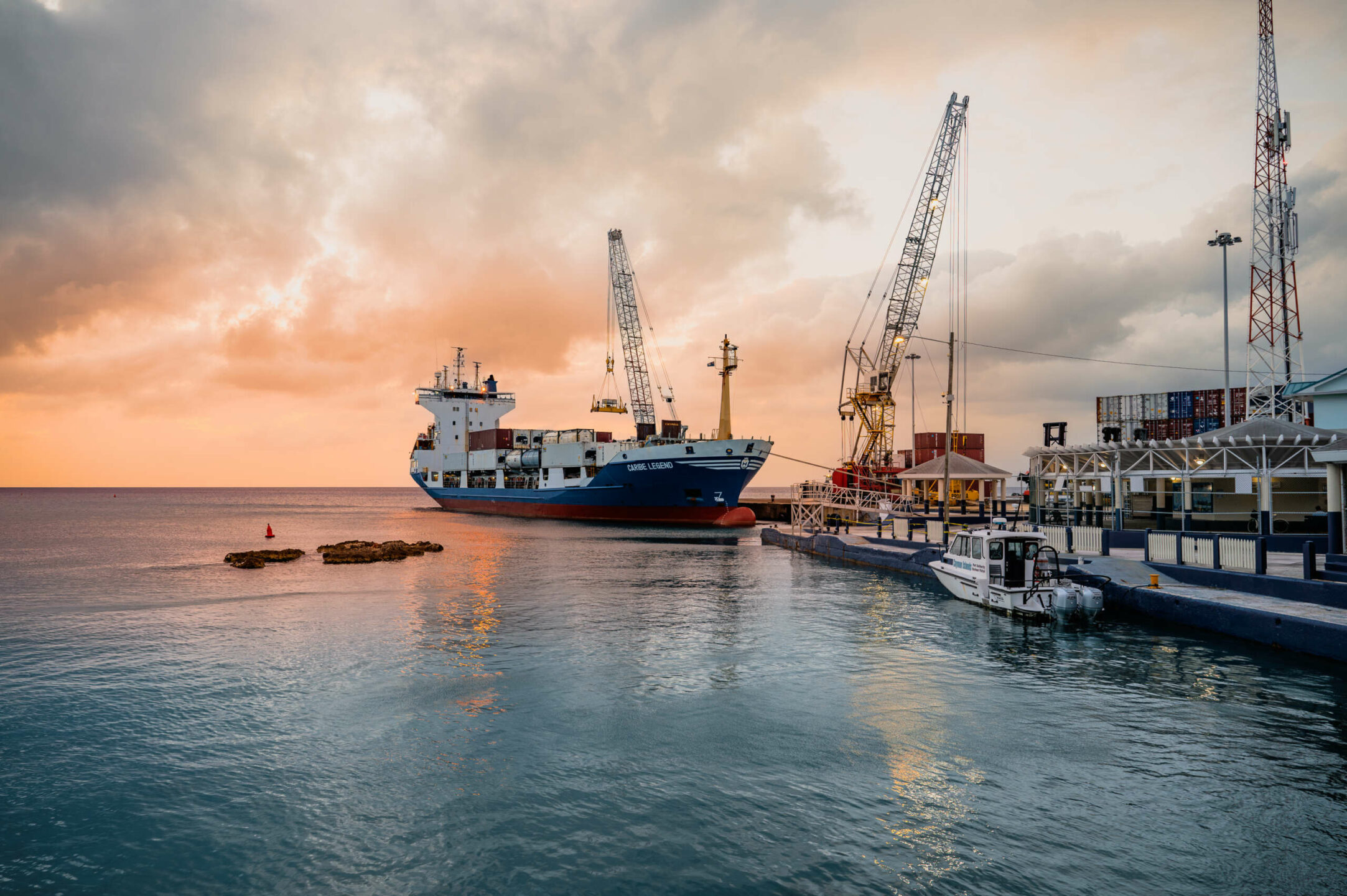
But an expanded port on these islands remains an infrastructure goal that would potentially help reduce shipping costs.
Short-term pain, long-term gain?
On the whole, the impacts for Cayman are essentially a subset of the impacts for the US.
In that context, it is hard to understand the point of the tariffs.
K.T. McFarland, a former Trump advisor who spoke at the recent RF Cayman Economic Outlook conference and who the Compass interviewed as part of this series, gave a window into the thinking of the administration in her talk at the Kimpton Seafire Resort.
She suggested tariffs were a tool in Trump’s arsenal to influence global politics and help achieve strategic goals for the US on immigration, defence and the flow of narcotics. She added that the US sees China as a major economic competitor and is keen to stem its influence, including in the Caribbean where it has invested in infrastructure.
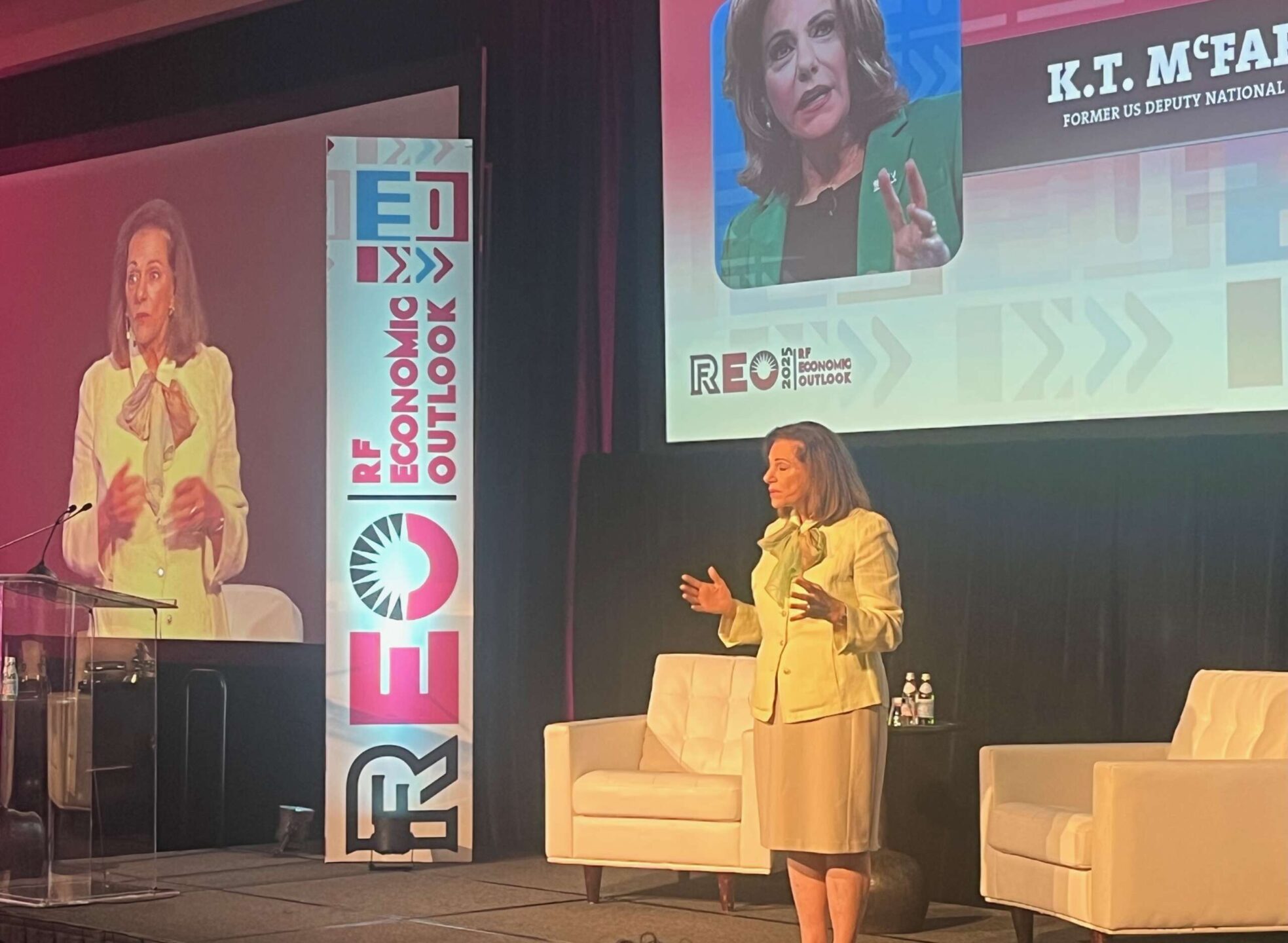
She also suggested that the US is seeking to increase its own manufacturing base and energy production and reduce its reliance on imports, ultimately “supercharging” its economy.
Asked what Trump’s effect would be for Cayman in the long run, she said, “Good, good, good. With our economy a rising tide lifts all ships.
“There will be ups and downs but if you look at where we are five years from now I think we will be in a very good place.
Reality check
Does this stand up to scrutiny?
Cawdery thinks not.
“No mainstream economist would ever argue that tariffs are a good economic policy,” he said.
While there’s some truth that raising prices on foreign imports makes domestic products more competitive, on commodities like steel, for example, the US doesn’t have capacity to increase production quickly enough.
In the long run, Cawdery says, this may incentivise domestic investment but that will likely be offset by the impact of retaliatory tariffs.
Caribbean economist Marla Dukharan agrees that price increases are inevitable.

“I think while we may anticipate legitimate trade friction and tariff-driven imported inflation, we have to also be on alert for those profiteering of this phenomenon as obtained during the pandemic,” she said.
“The authorities should issue appropriate warnings to importers, wholesalers and retailers, and consumers should be on guard and report to consumer affairs any evidence of price gouging.”
What can Cayman do to offset impacts?
Exploring new shipping routes that skip the US, investing further in bonded warehouses at US ports and working more closely with Caribbean neighbours on diplomacy and shared capacity in these areas are among the possible solutions mooted.
However, these things take time and resources and there is no certainty that viable shipping routes – especially for produce – can be found to completely bypass the US.
Balfour said there was likely some elbow room to source produce grown in the US that would therefore not be subject to tariffs – for example replacing a Mexican avocado with a Californian one. However, demand would impact pricing and that strategy is not possible for many products.
Citing the example of eggs – which have gone up significantly in Cayman because of bird flu’s impact on production – he said cost escalation anywhere in the supply chain usually found its way down to regular shoppers.
“Tariffs are always ultimately worn by the consumer.”
Dukharan also cautions there is “very little” small islands that rely on imports can do in the short term to mitigate the effect.
But, like COVID, she said tariffs should be a wake-up call to the region on food and energy security.
“We have been here before, and did we learn? During the pandemic we talked about greater levels of regional cooperation especially as it relates to food and there is a CARICOM initiative under way, but I am not sure we made sufficient progress. In the longer term, we need to prioritise greater food and fuel self-sufficiency as a region. Without that, we are stuck.”