


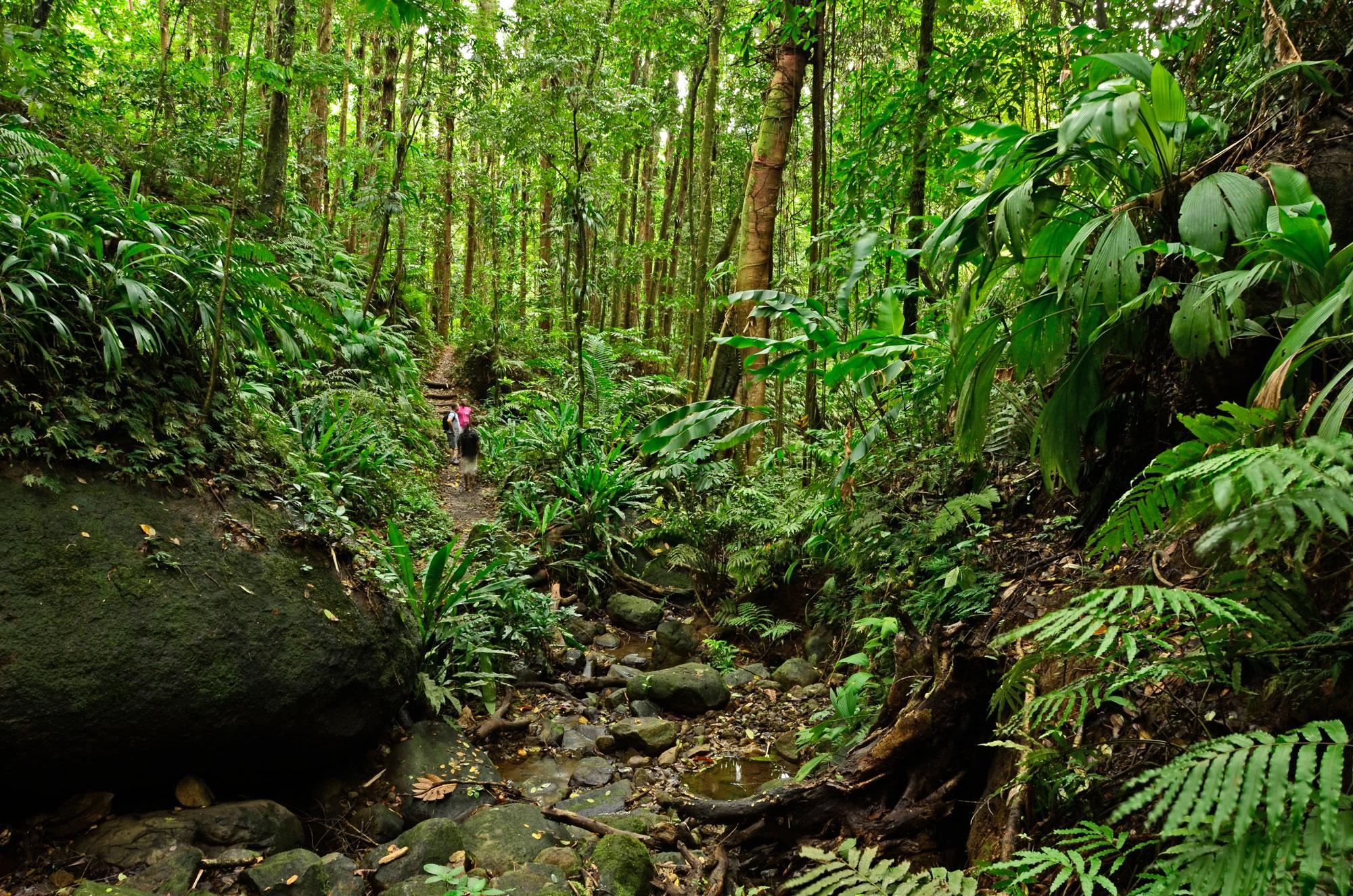
Nestled within the azure embrace of the Caribbean Sea, the region’s rainforests stand as some of the most biodiverse ecosystems on the planet. Often overshadowed by more prominent ecological hotspots, these lush landscapes boast an extraordinary array of flora and fauna, many of which are found nowhere else on Earth. Beyond their stunning beauty and rich biodiversity, Caribbean rainforests play a crucial role in global ecology, acting as vital carbon sinks, stabilizing local climates, and providing essential resources for countless species, including humans. As we delve into the multifaceted importance of these tropical havens, it becomes clear that preserving their integrity is not merely a regional concern but a global imperative. Join us as we explore the intricate relationships within these ecosystems, the threats they face, and the urgent measures needed to ensure their survival for generations to come.
Table of Contents
- The Rich Biodiversity of Caribbean Rainforests and Its Global Significance
- Carbon Sequestration: How Caribbean Forests Mitigate Climate Change
- Cultural Heritage and Sustainable Practices: Empowering Local Communities
- Conservation Strategies: Protecting Caribbean Rainforests for Future Generations
- Concluding Remarks
The Rich Biodiversity of Caribbean Rainforests and Its Global Significance
The Caribbean rainforests, known for their lush landscapes and vibrant wildlife, serve as a vital reservoir of biodiversity. Home to an array of species—many of which are endemic—these forests contribute to a rich tapestry of terrestrial life. In these ecosystems, one can find a diverse range of flora and fauna, including:
- Endemic Species: Unique animals and plants that are found nowhere else in the world.
- A Diverse Climate: Ranging from tropical to subtropical, which supports varied ecosystems.
- Critical Habitats: Key areas for nesting, feeding, and breeding of rare species.
This biodiversity is not only significant for the regional ecology but also plays an essential role in global environmental stability. The Caribbean rainforest acts as a carbon sink, mitigating climate change by absorbing significant amounts of carbon dioxide. Moreover, it fosters vital ecological services such as:
- Soil Conservation: Preventing erosion, thus maintaining land fertility.
- Water Cycle Regulation: Supporting local climates and providing clean water resources.
- Medicinal Resources: Offering countless plant species that have been used in traditional and modern medicine.
Carbon Sequestration: How Caribbean Forests Mitigate Climate Change
The Caribbean’s lush rainforests play an essential role in the global fight against climate change by acting as significant carbon sinks. These dense canopies can absorb vast amounts of carbon dioxide (CO2), a major greenhouse gas, from the atmosphere. Forests like those found in Dominica and Jamaica sequester carbon through the process of photosynthesis, where trees and plants convert CO2 into oxygen while storing carbon in their biomass. Key factors contributing to the effectiveness of these forests in carbon sequestration include:
- Biodiversity: Rich species diversity enhances resilience and boosts the capacity for carbon storage.
- Soil Health: Healthy forest soils enrich carbon storage capabilities, further supporting plant growth.
- Age of Forests: Mature forests capture more carbon than younger ones, highlighting the importance of conservation efforts.
In addition to their role in carbon capture, Caribbean forests also bring invaluable co-benefits for local environments and communities. They regulate local climates, improve water quality, and prevent soil erosion, providing crucial ecosystem services that help mitigate the effects of climate extremes. The contribution of Caribbean forests to climate resilience can be summarized in the table below:
| Benefit | Description |
|---|---|
| Climate Regulation | Forests maintain microclimates, reducing temperature extremes. |
| Water Protection | Improved water infiltration and reduced runoff protect watersheds. |
| Habitat Preservation | Support for diverse plant and animal life, including endangered species. |
Cultural Heritage and Sustainable Practices: Empowering Local Communities
The Caribbean rainforests serve as a sanctuary for diverse cultural practices that have been nurtured by local communities for generations. These traditions are often closely tied to the unique ecosystems they inhabit, fostering a deep respect for nature that has been essential for the sustainability of both the environment and community livelihoods. By preserving traditional knowledge and encouraging communal engagement with their surroundings, local populations not only contribute to ecological balance but also retain their rich heritage. Some sustainable practices that emerge from this cultural symbiosis include:
- Agroforestry – Integrating agricultural crops within forest systems to enhance biodiversity and soil health.
- Traditional herbal medicine – Utilizing indigenous plants for healing, promoting conservation of native flora.
- Community-led conservation – Local groups manage resources effectively, ensuring sustainable usage.
- Cultural festivals – Celebrating local heritage while raising awareness about environmental issues.
The recognition and integration of local cultural heritage in conservation initiatives not only empowers these communities but also plays a vital role in global ecological balance. Younger generations learn the importance of safeguarding their environment, ensuring that traditional practices merge with modern sustainability efforts. This valuable interplay is pivotal in addressing current environmental challenges while uplifting local communities. Below is a table illustrating the influence of cultural heritage on ecological awareness:
| Aspect | Impact on Ecology |
|---|---|
| Traditional Land Use | Promotes biodiversity conservation and soil health. |
| Community Engagement | Enhances collective action towards sustainable practices. |
| Cultural Education | Instills environmental stewardship in future generations. |
| Ecotourism | Supports economic development while preserving natural resources. |
Conservation Strategies: Protecting Caribbean Rainforests for Future Generations
The Caribbean rainforests, teeming with biodiversity and vital ecosystem services, are in urgent need of effective conservation strategies to ensure their survival. By integrating local communities in conservation efforts, we can foster a sense of stewardship over these irreplaceable ecosystems. Community-based initiatives can empower residents to engage in sustainable practices, such as eco-tourism and organic farming, which both protect the rainforest and enhance local economies. Moreover, education programs focused on the importance of biodiversity can cultivate a new generation actively committed to conservation.
Another critical strategy involves strengthening protected areas while promoting responsible land-use practices. Implementing buffer zones around these areas can help mitigate the impact of agriculture and urban development. Additionally, reforestation projects using native species can restore degraded lands and enhance the resilience of the rainforests. Collaborations with non-governmental organizations and international bodies can also provide the necessary resources and expertise to implement these strategies effectively. Below is a summary of key approaches for conservation:
| Conservation Approach | Description |
|---|---|
| Community Engagement | Involve local populations in sustainable practices to protect rainforest resources. |
| Protected Areas | Enhance the management and enforcement of existing conservation zones. |
| Reforestation | Plant native species in degraded areas to restore ecological balance. |
| Education Initiatives | Raise awareness about rainforest ecosystems and conservation importance. |
Concluding Remarks
the Caribbean rainforests stand as a testament to the intricate web of life on our planet, playing a critical role in global ecology. Their rich biodiversity not only supports countless species and provides essential resources for local communities, but also contributes significantly to the intricate balance of our planet’s climate and environmental health. As we reflect on the undeniable importance of these vital ecosystems, it becomes clear that the preservation and sustainable management of Caribbean rainforests are not just matters of local concern; they are global imperatives.
As stewards of the earth, it is our responsibility to advocate for policies that protect these irreplaceable habitats and to support initiatives that foster sustainable development. By prioritizing the health of Caribbean rainforests, we ensure a brighter, more sustainable future for generations to come, while safeguarding the invaluable ecological services they provide.
Let us embrace the challenge and join efforts to protect these lush landscapes, recognizing that in preserving the heart of the Caribbean, we are also nurturing the resilience of our planet itself. Together, we can ensure that the vibrant ecosystems of the Caribbean will continue to thrive for years to come. Thank you for reading, and let’s stay committed to this crucial cause!