


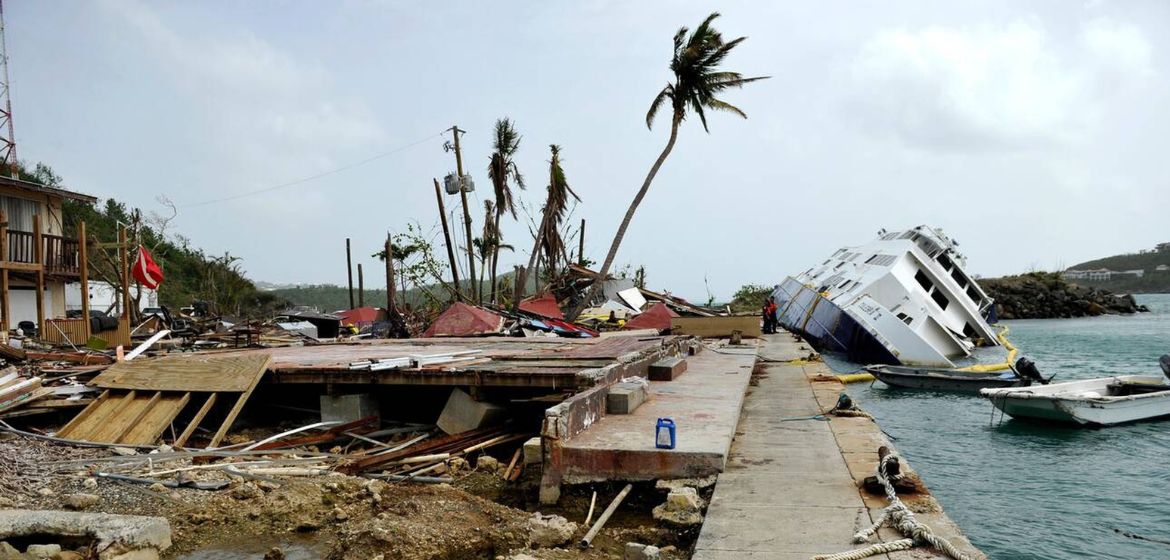
The Caribbean, known for its stunning beaches and vibrant culture, is no stranger to the destructive power of hurricanes. Over the past 50 years, the region has faced some of the most catastrophic storms in history, leaving behind lasting damage and tragic loss of life. As hurricane season intensifies each year, it’s crucial to reflect on the Top 10 Most Devastating Hurricanes To Hit The Caribbean. In this article, we revisit the most destructive storms that have left an indelible mark on the Caribbean and its people.
As we face the threat of more hurricanes, it’s crucial to look back at some of the most devastating hurricanes to hit the Caribbean in the last 50 years. From catastrophic infrastructure destruction to tragic loss of life, these storms have tested the resilience of the Caribbean people. Here are the most destructive hurricanes in the region’s modern history.
In this video, we explore the Top 10 Most Devastating Hurricanes To Hit The Caribbean over the last 50 years. From Hurricane Katrina in 2005 to Hurricane Maria in 2017, we examine the catastrophic storms that have caused immense damage and loss of life. With hurricane season upon us and predictions of record-breaking storms, it’s vital to reflect on these powerful events and their lasting impacts. Join us as we revisit the hurricanes that tested the resilience of the Caribbean and its people, and learn valuable lessons for the future.
10. Hurricane Ida – 107 Deaths, $75.3 Billion in Damage
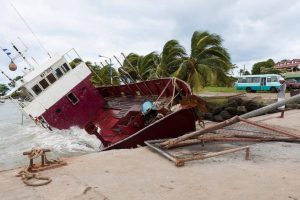
Hurricane Ida hit the Caribbean in August 2021, bringing heavy rain, strong winds, and widespread flooding to Jamaica, the Cayman Islands, and Cuba. While it initially began as a tropical storm, it rapidly intensified into a powerful Category 4 hurricane, with winds peaking at 150 mph. Ida caused widespread damage to homes, infrastructure, and the agricultural sector, especially in Cuba.
Ida’s devastating path led to over 107 deaths and $75.3 billion in damages across the Caribbean and the U.S., marking it as one of the costliest storms in recent years.
9. Hurricane Harvey – 107 Deaths, $125 Billion in Damage
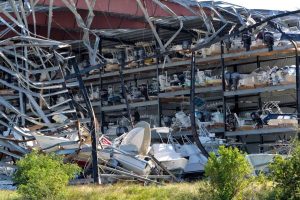
In August 2017, Hurricane Harvey devastated Suriname, Guyana, the Windward Islands, Belize, and parts of the United States. Known for its historic rainfall, some areas saw over 60 inches of rain, which led to unprecedented flooding, particularly in Houston.
While Harvey caused the same number of fatalities as Hurricane Ida, it inflicted far greater financial damage, totaling $125 billion in damages. The storm became tied with Hurricane Katrina as the costliest tropical cyclone in U.S. history.
8. Hurricane Irma – 134 Deaths, $77.2 Billion in Damage
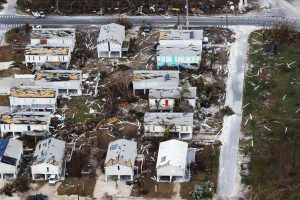
Category 5 Hurricane Irma swept across the Caribbean in September 2017, bringing catastrophic winds of up to 185 mph. Irma’s fury wreaked havoc across islands like Barbuda, Saint Martin, and the British Virgin Islands, with Barbuda being nearly wiped off the map—95% of its buildings were destroyed.
Irma caused 134 deaths and $77 billion in damages, making it one of the costliest hurricanes ever to strike the region.
7. Hurricane Ian – 150 Deaths, $113 Billion in Damage
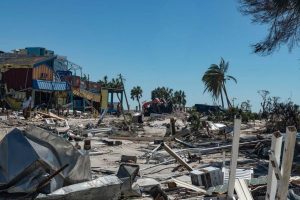
In September 2022, Hurricane Ian caused widespread destruction across several Caribbean islands before striking Florida. Ian intensified rapidly into a powerful Category 4 storm, battering Cuba with severe winds and heavy rains before making landfall in Florida.
The hurricane caused 161 fatalities, including 150 in Florida alone. With $113 billion in damages, it became the third-costliest tropical cyclone on record and the most expensive hurricane in Florida’s history.
6. Hurricane Sandy – 253 Deaths, $68.7 Billion in Damage
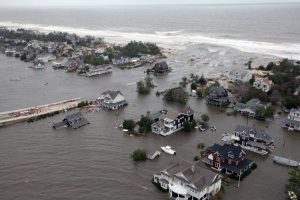
Hurricane Sandy, a late-season storm in October 2012, brought destruction across Haiti, Jamaica, Cuba, and the Bahamas before making its way to the U.S. East Coast. The storm caused extensive flooding, particularly in Haiti, which was still recovering from the devastating 2010 earthquake.
Sandy caused 253 deaths and $68.7 billion in damage, impacting 24 U.S. states, including the entire eastern seaboard.
5. Hurricane Gordon – 1,152 Deaths, $594.1 Million in Damage
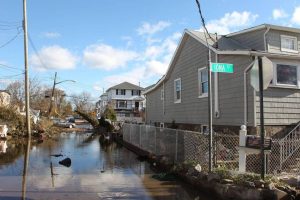
Hurricane Gordon, which struck in 1994, devastated the Caribbean and the southeastern U.S. Over the course of two weeks, the storm caused significant damage across Jamaica, Cuba, and the Bahamas, with the most severe impact felt in Haiti, where heavy rains caused widespread mudslides.
The death toll reached 1,152, with the majority of fatalities occurring in Haiti. While the storm caused only $594.1 million in damage, its humanitarian toll was immense.
4. Hurricane Katrina – 1,836 Deaths, $125 Billion in Damage
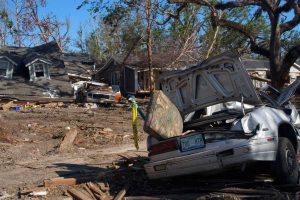
One of the most infamous hurricanes in history, Hurricane Katrina struck in August 2005 and caused unprecedented damage to the Gulf Coast of the United States. While Katrina originated over the Bahamas and struck the southeastern U.S., its devastating effects were felt across the Caribbean as well.
The storm caused 1,836 deaths and inflicted over $125 billion in damage, with the failure of New Orleans’ levee system exacerbating the crisis. Katrina highlighted the region’s vulnerability to major hurricanes and prompted significant changes in disaster preparedness.
3. Hurricane David – 2,068 Deaths, $1.5 Billion in Damage
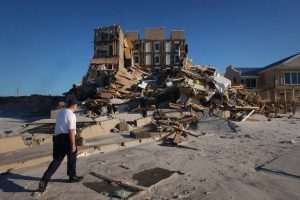
Hurricane David, which struck in 1979, remains one of the most destructive storms in Caribbean history. As a Category 5 hurricane, it caused widespread devastation in the Dominican Republic, especially in Santo Domingo.
The storm left 2,068 dead, and its damage exceeded $1.5 billion, a significant toll for the region at the time. David’s legacy serves as a reminder of the Caribbean’s susceptibility to powerful storms and the need for better disaster planning.
2. Hurricane Jeanne – 3,037 Deaths, $7.94 Billion in Damage
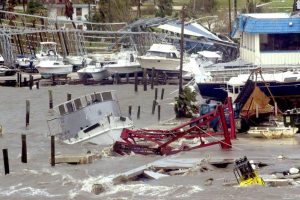
Hurricane Jeanne, which formed in September 2004, became particularly deadly for Haiti. The storm’s torrential rains triggered catastrophic flooding and landslides, particularly in Gonaïves, where entire neighborhoods were submerged.
The storm caused 3,037 fatalities, the majority of which occurred in Haiti. It also left $7.94 billion in damage, underscoring the region’s vulnerability to such extreme weather events.
1. Hurricane Maria – 3,059 Deaths, $91 Billion in Damage
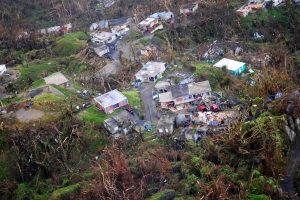
The deadliest and most destructive hurricane to hit the Caribbean in the last 50 years was Hurricane Maria in 2017. A Category 5 storm, Maria, devastated Puerto Rico, knocking out the island’s entire electrical grid and leading to a humanitarian crisis. The storm caused widespread destruction across multiple Caribbean islands, including Antigua and Barbuda, Dominica, and the British Virgin Islands.
While initial reports in Puerto Rico listed 64 deaths, later studies revealed the true toll to be 3,059. Maria caused $91 billion in damage, making it one of the costliest hurricanes in history. The storm’s long-lasting effects are still felt in Puerto Rico, as the island continues to rebuild.
Preparing for Future Storms: Lessons Learned
While the hurricanes listed above are just a few of the most devastating storms in recent decades, they highlight the immense toll such storms can take on the Caribbean. As climate change continues to impact global weather patterns, the frequency and intensity of hurricanes are expected to increase.
In light of this, Caribbean nations must continue improving their disaster preparedness, invest in resilient infrastructure, and ensure that residents have the resources and knowledge to stay safe during hurricane season.
The region’s people have proven their resilience time and time again, but as the threat of stronger and more frequent hurricanes grows, it’s essential to heed the lessons of the past and take action to minimize the impact of future storms.
Conclusion
The Caribbean has endured immense devastation from hurricanes over the last 50 years, and as we move forward, it’s important to continue raising awareness and taking action to ensure the region’s resilience. Whether you live in the Caribbean or just appreciate its beauty, it’s vital to prepare for the worst and hope for the best as the hurricane season continues to unfold.
Remember to have an emergency kit ready, stay informed through local authorities, and take all necessary precautions when a storm is on the horizon. Together, we can better protect this beautiful and vibrant region from nature’s wrath.
Drop your thoughts in the comments below, and let’s start a conversation! Don’t forget to subscribe to our newsletter to stay updated.