


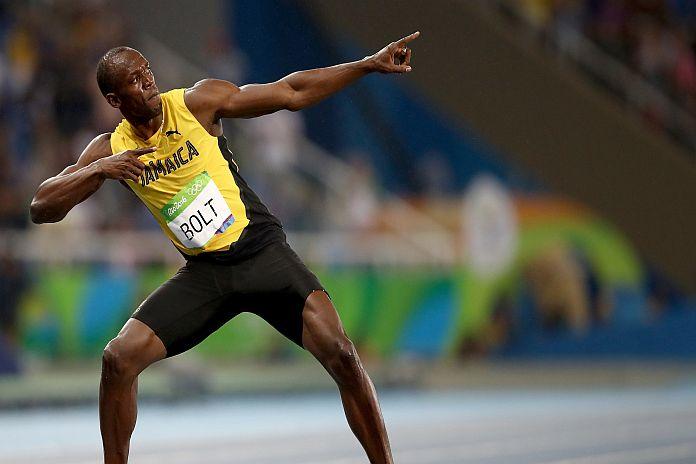
As the world of sports intensifies its competitive landscape, Caribbean athletes are not only participating but excelling on global stages. With the Tokyo 2020 Olympics and various international championships serving as critical platforms for showcasing talent, the Caribbean’s rich sporting heritage comes into focus. Athletes from this vibrant region leverage a unique combination of tradition, innovation, and rigorous training tactics to prepare for the demands of elite competition. From specialized coaching techniques to the integration of modern technology in training regimens, Caribbean sports professionals are redefining their approach to excellence. This article delves into the diverse strategies employed by these athletes, highlighting their journey from local training grounds to the international arena and examining the resources and support systems that are pivotal in their quest for global success.
Table of Contents
- The Physiological Foundations of Elite Performance in Caribbean Athletes
- Innovative Training Regimens: Strategies for Success on the World Stage
- Mental Conditioning Techniques Employed by Caribbean Competitors
- Nutritional Guidelines for Peak Performance in International Events
- Future Outlook
The Physiological Foundations of Elite Performance in Caribbean Athletes
The physiological characteristics that underpin elite athletic performance in Caribbean athletes are the result of a unique combination of genetic, environmental, and lifestyle factors. Caribbean athletes often benefit from a legacy of robust physicality, stemming from a history of competitive sports and active lifestyles. Key advantages include:
- Muscle Fiber Composition: Many athletes from the Caribbean have a higher proportion of fast-twitch muscle fibers, enabling explosive power and sprinting capabilities.
- Endurance and Recovery: The tropical climate conditions the body to adapt to high temperatures and humidity, improving cardiovascular efficiency and recovery rates.
- Altitude Training: Certain regions in the Caribbean offer challenging terrains, promoting enhanced lung capacity and overall stamina.
In preparation for global competitions, training regimens are meticulously designed to maximize these physiological advantages. Coaches emphasize the development of specific attributes necessary for various sports, integrating tailored strength and conditioning programs. These programs are often characterized by:
- High-Intensity Interval Training (HIIT): To build anaerobic capacity and improve speed.
- Sport-Specific Drills: Focusing on the technical skills required for each discipline, ensuring athletes are not only fit but also well-practiced.
- Nutritional Strategies: Diets rich in local produce and lean proteins are crucial for optimal energy levels and recovery.
| Physiological Component | Impact on Performance |
|---|---|
| Muscle Fiber Type | Increased speed and power output |
| Cardiovascular Capacity | Enhanced endurance during competitions |
| Reaction Time | Quicker responses in dynamic environments |
Innovative Training Regimens: Strategies for Success on the World Stage
As Caribbean athletes gear up for international competitions, they are increasingly adopting innovative training regimens tailored to enhance their performance on the world stage. These regimens encompass a variety of techniques designed not only to boost physical capabilities but also to foster mental resilience. Key strategies include:
- Cross-training: By integrating different sports, athletes improve their overall athleticism while reducing the risk of injury.
- Data analytics: Utilizing technology to track performance metrics allows coaches to create personalized workout plans.
- Recovery protocols: Emphasizing recovery routines like cryotherapy and yoga ensures athletes maintain peak condition.
- Nutrition workshops: Comprehensive dietary education supports optimal fueling for training and competition.
The coaching community is pivotal in implementing these strategies, often collaborating with sports scientists and nutritionists. For instance, many programs are now epitomizing the synergy between physical training and advanced technology. A recent survey among Caribbean sports teams highlighted the incorporation of wearables and apps that monitor various health indicators. The table below showcases the top training improvements observed:
| Training Improvement | Percentage of Teams Reporting Success |
|---|---|
| Injury Prevention | 85% |
| Enhanced Performance Metrics | 90% |
| Improved Recovery Times | 78% |
| Increased Mental Toughness | 82% |
Mental Conditioning Techniques Employed by Caribbean Competitors
Caribbean athletes have made a name for themselves on the global stage not just through physical prowess but also through focused mental conditioning techniques. These competitors often incorporate visualization exercises into their training regimens, imagining every detail of their performance to enhance confidence and reduce anxiety. Additionally, many employ mindfulness practices, such as meditation and controlled breathing, to maintain composure during high-stress moments in competition. By fostering a clear mental state, athletes can better respond to challenges and distractions that arise during their events.
Another significant aspect of mental conditioning is the use of goal-setting strategies, which allow these athletes to break down their ultimate ambitions into manageable milestones. Workshops and peer discussions often encourage them to share experiences and setbacks, creating a supportive environment that emphasizes resilience. In this context, positive self-talk plays a vital role, helping competitors cultivate a constructive inner dialog that bolsters their self-esteem and mental toughness. The combination of these strategies ensures that Caribbean athletes are not only physically equipped to compete but also mentally fortified against the pressures of international sports.
Nutritional Guidelines for Peak Performance in International Events
For athletes gearing up for international competitions, adhering to comprehensive nutritional guidelines is crucial for optimizing performance. A balanced diet rich in essential nutrients can dramatically enhance endurance, strength, and recovery. Key components of their diet include:
- Carbohydrates: Vital for energy, especially in high-intensity training. Incorporate whole grains, fruits, and vegetables.
- Proteins: Essential for muscle repair and growth. Prioritize lean meats, fish, beans, and dairy products.
- Fats: Healthy fats from sources like avocados, nuts, and olive oil help in sustaining longer exercise sessions.
- Hydration: Maintaining fluid balance is critical. Water, electrolyte drinks, and coconut water are beneficial.
Additionally, meal timing plays a vital role in maximizing athletic performance. Implementing strategic eating practices can enhance recovery and boost energy levels before competitions. Consider the following guidelines:
| Timing | Recommended Foods | Purpose |
|---|---|---|
| Pre-Event | Complex carbohydrates, protein shakes | Energy provision and muscle support |
| Post-Event | Protein-rich meals, recovery drinks | Muscle recovery and rebuilding |
| Throughout Training | Whole foods, snacks, hydration | Ongoing energy and fuel |
Future Outlook
As the Caribbean continues to make its mark on the global athletic stage, the unwavering dedication and strategic training of its athletes are paving the way for future successes. With innovative coaching techniques, state-of-the-art facilities, and an environment rich in cultural pride, these competitors are not just preparing to participate but to excel on world platforms. As they gear up for upcoming international events, the commitment displayed by both athletes and support teams reflects a profound understanding of the evolving landscape of sports training. Through resilience and ingenuity, Caribbean athletes are not only contributing to their national pride but are also inspiring the next generation of sportsmen and women. As the region looks ahead to future competitions, one thing is clear: the Caribbean’s influence in the world of athletics is set to grow stronger, one training session at a time.