


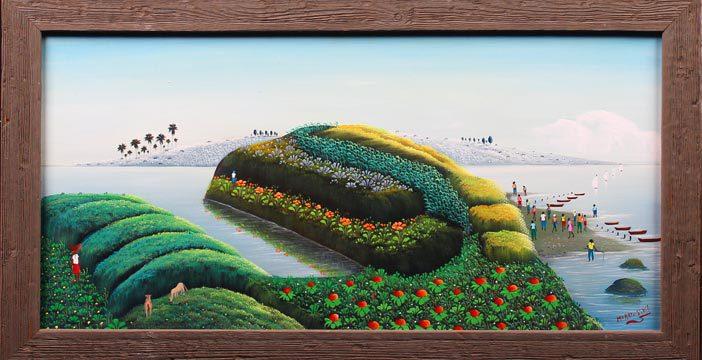
In an era marked by climate change and environmental degradation, education plays a pivotal role in fostering awareness and inspiring action. The Caribbean, with its vibrant ecosystems and rich cultural heritage, stands at the forefront of this transformation. One of the most compelling avenues for environmental education in this region is through art—a powerful medium that transcends traditional boundaries and conveys profound messages. From the mesmerizing hues of a coral reef to the stark realities of coastal erosion, Caribbean environmental art is not only a reflection of the region’s natural beauty but also a crucial instrument for educating communities about sustainability and conservation. In this article, we will explore how artists across the Caribbean are merging creativity with ecological consciousness, transforming the educational landscape and empowering individuals to become stewards of their environment. Join us as we dive into this inspiring intersection of art, education, and activism, and discover how the Caribbean’s creative voices are championing a greener future for us all.
Table of Contents
- Shaping Awareness: The Impact of Environmental Art on Student Engagement
- Innovative Pedagogy: Integrating Environmental Art into the Curriculum
- Community Collaboration: Building Partnerships for Sustainable Art Projects
- Empowering the Next Generation: Strategies for Fostering Environmental Stewardship Through Art
- Concluding Remarks
Shaping Awareness: The Impact of Environmental Art on Student Engagement
Engaging students through environmental art not only enriches their educational experience but also fosters a deeper connection to their surroundings. By using visual storytelling, artists highlight critical environmental issues that resonate with younger generations. This medium encourages learners to explore complex themes such as sustainability, climate change, and biodiversity within their own communities. Key benefits of integrating environmental art into education include:
- Enhanced Critical Thinking: Students analyze and interpret artistic messages, fostering analytical skills.
- Increased Creativity: Art projects offer unique avenues for students to express their understanding of ecological concepts.
- Community Involvement: Collaborative art initiatives often engage local communities, promoting stewardship and collective action.
Moreover, incorporating environmental art in curricula serves as a powerful catalyst for awareness and advocacy. When students participate in creating public installations or eco-themed projects, they become ambassadors for environmental protection, translating their experiences into advocacy. This hands-on approach not only bolsters content retention but also cultivates a sense of responsibility toward ecological conservation. A study comparing traditional learning methods with those incorporating environmental art revealed notable differences in student enthusiasm and involvement:
| Learning Method | Student Engagement Level |
|---|---|
| Traditional Lectures | Moderate |
| Art-based Projects | High |
Clearly, integrating creative mediums into environmental education transforms students’ attitudes and inspires them to take action, illustrating how impactful art can be in shaping informed and engaged future leaders.
Innovative Pedagogy: Integrating Environmental Art into the Curriculum
The inclusion of environmental art in education offers a transformative approach to learning, allowing students to connect deeply with their surroundings. By utilizing the rich tapestry of Caribbean culture and ecology, educators can create multidimensional lessons that resonate with students’ experiences and inspire them to think critically about contemporary environmental issues. This curriculum innovation promotes not only artistic expression but also fosters a deeper understanding of sustainability. Key benefits include:
- Enhanced creativity: Students learn to express their thoughts and feelings about the environment through various forms of art.
- Real-world connection: Projects can involve local ecosystems, encouraging observations and explorations that strengthen community bonds.
- Critical thinking: Analyzing the relationship between art and environmental issues cultivates problem-solving skills.
To integrate these concepts more effectively, teachers can facilitate collaborative art projects that focus on pressing local ecological challenges. By engaging in hands-on activities, students not only apply their artistic skills but also gain insights into concepts such as biodiversity, conservation, and ecological interdependence. Here’s a sample framework for a lesson plan that blends art and environmental science:
| Lesson Component | Description |
|---|---|
| Objective | Students will create art pieces that highlight the importance of preserving local ecosystems. |
| Materials | Natural materials, paints, digital media tools, recycling supplies. |
| Activities | Field trips, collaborative mural creation, installation of art in public spaces. |
| Assessment | Peer review, reflection essays, discussion forums on sustainability. |
Community Collaboration: Building Partnerships for Sustainable Art Projects
Art has the unique ability to bring communities together, transforming the landscape of environmental awareness through collaborative projects. By fostering partnerships among local artists, educational institutions, and environmental organizations, sustainable art initiatives emerge that not only highlight the beauty of the Caribbean ecosystem but also address pressing environmental concerns. These collaborations can manifest in various forms, such as:
- Workshops and Educational Programs: Engaging students in hands-on activities that merge art and environmental science.
- Public Installations: Creating eye-catching works that invite community participation and raise awareness about local environmental issues.
- Social Media Campaigns: Utilizing digital platforms to promote sustainable practices illustrated through artistic expression.
Moreover, community-focused art projects can pave the way for long-term environmental stewardship by integrating local cultural narratives into their frameworks. Through collective efforts, community members can understand their environmental challenges better and formulate unique, self-sustaining solutions. Below is a simple overview of the potential benefits of such collaborations:
| Benefits of Collaborative Art Projects | Description |
|---|---|
| Increased Awareness | Art draws attention to critical environmental issues affecting the Caribbean. |
| Community Engagement | Encourages local residents to participate and share their stories. |
| Interdisciplinary Learning | Combines art with science, creating a holistic educational experience. |
Empowering the Next Generation: Strategies for Fostering Environmental Stewardship Through Art
Art serves as a transformative medium that can bridge the gap between awareness and action, encouraging young minds to connect with their environment on a deeper level. By integrating environmental art into educational curricula, we provide students with powerful tools for expressing their concerns about climate change and their hopes for the future. Schools can host workshops that combine artistic expression with lessons on biodiversity, conservation, and sustainability, allowing students to visualize and articulate the importance of protecting their natural surroundings. This creative approach not only cultivates a sense of responsibility but also inspires advocacy through visual storytelling, making complex issues more relatable.
Moreover, collaborative art initiatives can play a pivotal role in fostering a sense of community around environmental stewardship. Educational programs can facilitate projects that involve the creation of murals, sculptures, and installations that address local environmental issues. Engaging students in team-based artistic endeavors not only promotes skills such as teamwork and communication but also amplifies their voice on important ecological themes. By exhibiting these artworks in community spaces, students can stimulate conversations and actions on sustainability, while individuals and organizations can contribute to a visual legacy of environmental advocacy. Below is a simple representation of how art can intersect with environmental activism:
| Art Type | Environmental Theme | Community Impact |
|---|---|---|
| Murals | Biodiversity Conservation | Awareness and Education |
| Sculptures | Waste Reduction | Collaboration and Community Involvement |
| Installations | Climate Change | Visual Storytelling |
Concluding Remarks
As we draw this exploration of “” to a close, it’s essential to reflect on the profound impact that art can have on the educational landscape. In the Caribbean, where vibrant cultures intersect with pressing environmental challenges, the integration of environmental art into educational frameworks offers a unique opportunity to inspire the next generation.
By harnessing creativity, educators and artists can foster a deeper understanding of ecological issues, encouraging students to engage critically with their environment while also celebrating their cultural heritage. This transformative approach not only enriches the learning experience but also empowers young minds to become advocates for sustainable practices in their communities.
As we embrace the future, let us continue to champion the fusion of art and education in the Caribbean, recognizing its potential to ignite passion, foster creativity, and cultivate a sense of responsibility towards our planet. Together, we can pave the way for a more informed, engaged, and environmentally-conscious generation ready to take on the challenges of tomorrow.
Thank you for joining us on this journey through the intersection of education and environmental art. We look forward to seeing how these ideas continue to evolve and inspire change across the Caribbean and beyond. Keep exploring, creating, and advocating for a better future!