


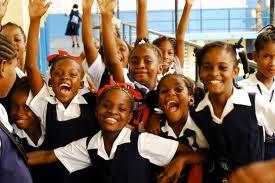
In a region rich with cultural diversity and untapped potential, the Caribbean is embarking on a transformative journey to reshape its educational landscape. Recognizing the critical role of literacy as a cornerstone for economic development and social empowerment, various governments and organizations are implementing innovative reforms and initiatives aimed at enhancing educational outcomes. This article explores the strategic measures being taken across the Caribbean to bolster literacy rates and improve access to quality education. From integrating technology in classrooms to developing community-based literacy programs, these efforts not only seek to address historical disparities but also to equip the next generation with the skills necessary to thrive in a rapidly evolving global economy. Join us as we delve into the ongoing initiatives and their potential impact on the future of the Caribbean’s youth and the broader community.
Table of Contents
- Revitalizing Curriculum Design to Enhance Critical Thinking Skills
- Implementing Innovative Teaching Methods for Diverse Learning Environments
- Expanding Access to Resources and Technology in Underserved Communities
- Fostering Partnerships between Governments, NGOs, and Local Stakeholders in Education Reform
- The Conclusion
Revitalizing Curriculum Design to Enhance Critical Thinking Skills
As educational landscapes evolve, there is an urgent necessity to bridge the gap between traditional learning methods and the skills required for the modern age. By implementing curricular adjustments that prioritize critical thinking, Caribbean education can create a generation of learners who are not only knowledgeable but also adept at analyzing, synthesizing, and applying information. This shift can be facilitated through an emphasis on inquiry-based learning, where students engage with real-world problems and collaborate to find innovative solutions. Teaching strategies that incorporate project-based learning and case studies can significantly enhance analytical abilities, enabling students to approach challenges with creativity and confidence.
Furthermore, integrating technology into the classroom provides an excellent opportunity to foster critical thinking. Tools such as interactive simulations and digital collaboration platforms can engage students in diverse ways, encouraging them to think critically and creatively. Educators can adopt frameworks that emphasize systematic problem-solving, allowing students to dissect problems methodically. The implementation of a revised curriculum should also include teacher training programs focused on developing these essential instructional skills, ensuring educators are equipped to guide students through complex thought processes. The potential impact of these initiatives is profound, as they lay the groundwork for empowered learners prepared to tackle the challenges of tomorrow.
Implementing Innovative Teaching Methods for Diverse Learning Environments
In the evolving landscape of education within the Caribbean, embracing innovative teaching methods has emerged as a pivotal strategy for addressing the diverse needs of learners. By integrating approaches such as project-based learning, flipped classrooms, and differentiated instruction, educators can create an inclusive environment that caters to varying learning styles. This adaptability not only fosters engagement but also empowers students to take ownership of their educational journeys. Unique strategies might include:
- Interactive Workshops: Hands-on sessions that promote practical application of knowledge.
- Technology Integration: Utilizing digital tools to enhance collaborative learning.
- Peer Teaching: Encouraging students to teach each other, reinforcing their own understanding.
Furthermore, leveraging community resources can enrich these educational methods. Schools can establish partnerships with local businesses and organizations to provide real-world contexts for learning. For instance, a partnership with a local cultural center can offer students opportunities to explore the history and traditions of their community, making lessons relevant and relatable. Here’s a simple breakdown of potential partnerships:
| Partner Organization | Educational Benefit |
|---|---|
| Cultural Centers | Interactive cultural education programs |
| Local Businesses | Internships and mentorship opportunities |
| Non-Profit Organizations | Community service projects for experiential learning |
Expanding Access to Resources and Technology in Underserved Communities
To address educational disparities in underserved Caribbean communities, innovative initiatives are being implemented to enhance access to essential resources and technology. Community partnerships and government funding are two critical components driving these efforts. The emphasis is on equipping schools with modern tools and resources that can facilitate personalized learning experiences. Key programs include:
- Mobile Learning Units: Customized vehicles equipped with technology and learning materials visit remote areas to deliver educational content directly to students.
- Community Technology Hubs: Establishing local centers where individuals can access computers, internet services, and training programs to enhance digital literacy.
- Teacher Training Workshops: Regular workshops aimed at helping educators integrate technology into their teaching methods, ensuring that they can effectively utilize new resources.
In addition to tangible resources, fostering a culture of collaboration among community members is vital. Initiatives like mentorship programs and peer learning groups create a supportive environment where students and educators can thrive collectively. To measure the impact of these initiatives, a pilot program was launched in select schools, with the following preliminary outcomes:
| Key Indicator | Before Initiative | After Initiative |
|---|---|---|
| Digital Literacy Rate | 25% | 65% |
| Student Engagement Levels | 40% | 80% |
| Access to Educational Resources | 30% | 75% |
Fostering Partnerships between Governments, NGOs, and Local Stakeholders in Education Reform
In the complex landscape of education reform, collaboration is essential for driving impactful change. By fostering synergistic partnerships between governments, NGOs, and local stakeholders, we can create a robust ecosystem that supports meaningful literacy initiatives. Such alliances enable the pooling of resources, expertise, and networks, facilitating the development of tailored programs that address unique community needs. Each entity brings valuable perspectives and capabilities, ensuring comprehensive solutions that resonate on local, national, and regional levels. Key benefits of these partnerships include:
- Resource Optimization: Shared funding and materials reduce duplication and enhance efficiency.
- Enhanced Accountability: Collaborative efforts establish a system of checks and balances that ensure all parties remain committed to common goals.
- Community Engagement: Local stakeholders are vital for ensuring that reforms are culturally relevant and widely accepted.
Equally important is the commitment to regular communication and feedback among partners. Stakeholders must engage in open dialog to evaluate progress, identify challenges, and adapt strategies as necessary. Establishing transparent frameworks for accountability will not only strengthen trust but also empower communities. This approach encourages a more dynamic response to the evolving educational landscape, ultimately transforming the potential for literacy and learning throughout the Caribbean. The following table highlights exemplary partnerships currently driving impactful education reform:
| Partnership | Focus Area | Impact |
|---|---|---|
| Gov. of Barbados & NGO Literacy Group | Adult Literacy | Increased enrollment by 30% in adult education programs. |
| Ministry of Education & Local Teachers’ Association | Curriculum Development | Development of community-relevant curriculum modules. |
| International NGO & Local Schools | Digital Literacy | Implemented tech training, enhancing digital skills for 1,500 students. |
The Conclusion
the journey towards transforming the educational landscape in the Caribbean is well underway, marked by innovative reforms and targeted literacy initiatives that promise to reshape the future for countless individuals across the region. As governments, educators, and communities unite to champion these transformative efforts, it is clear that education will play a pivotal role in driving sustainable development and economic growth. By investing in the youth of today, the Caribbean is not just addressing immediate challenges but is also laying the groundwork for a more equitable and prosperous tomorrow. Continued support and collaboration among all stakeholders will be essential to ensure that these initiatives not only succeed but thrive in empowering future generations. As we watch these changes unfold, the commitment to fostering a culture of literacy and lifelong learning stands as a beacon of hope for a brighter, more resilient Caribbean.