


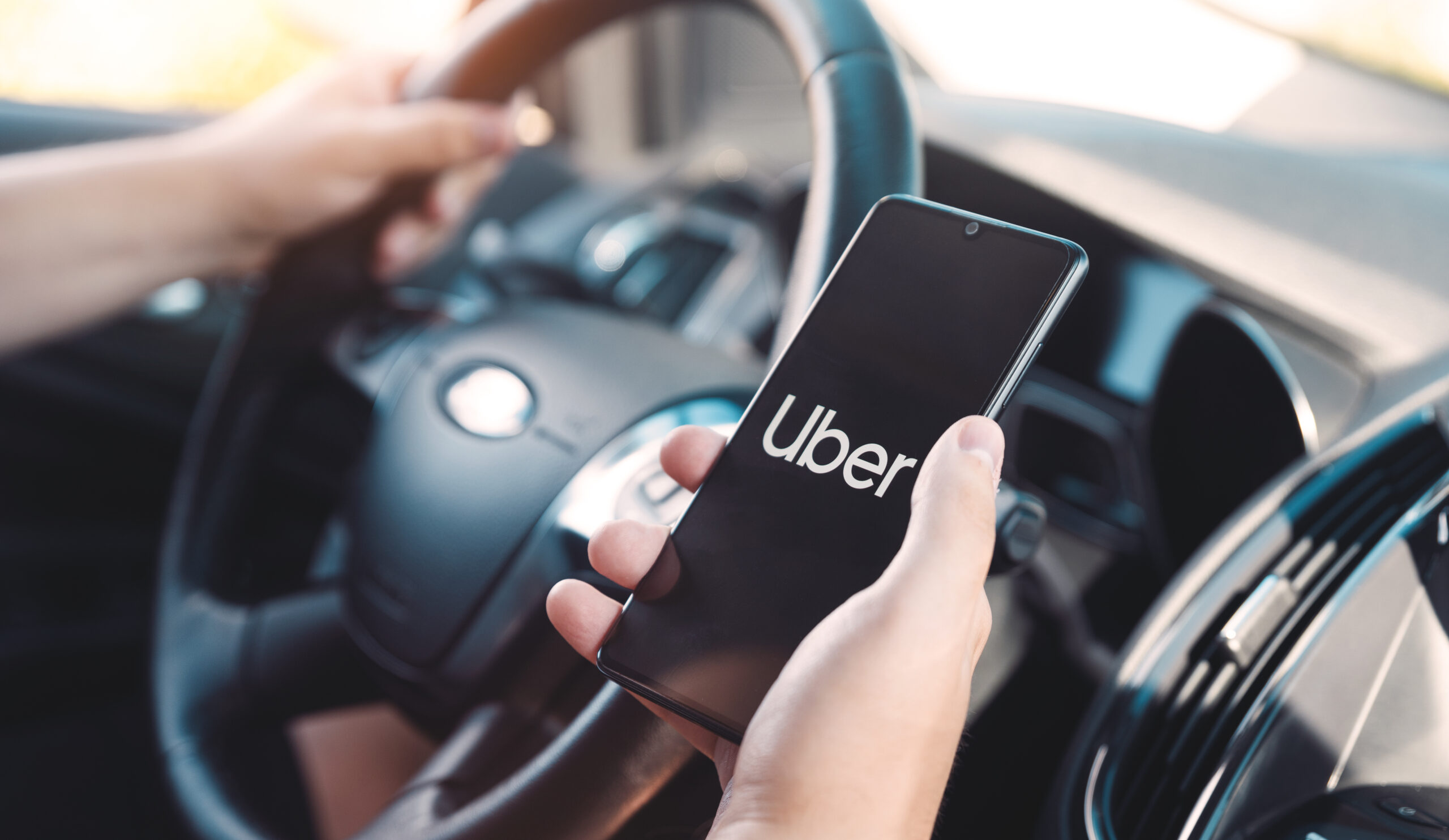
Ride-sharing apps like Uber have had a significant impact in cutting late-night traffic accidents in US and UK cities and could do the same for Cayman, experts believe.
Academic studies in both countries have shown statistically significant reductions in serious injuries and deaths from vehicle collisions in areas where ridership is high.
Uber is not currently operating in Cayman. Only licensed taxi drivers are authorised to take fares for rides and government limits the pool of licensees to a set quota.
Asked if it would consider allowing an Uber-like service in Cayman, a spokesperson for the Ministry of Infrastructure that has responsibility for transport referenced plans to upgrade the CI:GO taxi app to make it easier to book licensed taxis. She also suggested part-time taxi licences could soon be authorised to help meet increased demand in the evenings.
A previous effort to introduce a Cayman version of Uber – a ride-hailing app called Flex – struggled to gain traction amid regulatory challenges.
Safety and convenience
The impetus for Uber has been largely around convenience, but Michael Anderson, of the University of California, Berkeley, suggests it has also had a major impact on public safety in the US.
Anderson co-authored a study using detailed ridership data which showed a 5% reduction in total traffic deaths in areas where Uber operates. The study estimated uptake of Uber specifically saved 600 lives in the US in a single year. Meanwhile, similar research from Oxford University in the UK showed a 9% reduction in serious accidents.
“The impact is strongest at night and on weekends, which is consistent with the idea that ridesharing helps prevent drunk driving,” Anderson said.
There’s a simple logic that underpins that finding.
“Many drunk-driving decisions are not the product of rational, well-calculated decisions, so lowering the ‘friction’ of using an alternative form of transportation can have a big impact on people’s choices,” Anderson told the Compass.
“Our findings suggest that widespread ride-share availability reduces alcohol-related traffic deaths meaningfully, even without any changes to enforcement or public education campaigns.”
Ride-sharing could impact alcohol-related crashes
Cayman has recorded an average of 12 road fatalities annually over the last four years, many of them linked to alcohol consumption.
Given those trends, Anderson believes, Uber or a similar ride-hailing app would make a difference on the island.
“It is likely that ride-sharing could have a meaningful impact on alcohol-related accidents. The important factors for people choosing alternative modes of transport over driving under the influence are cost, convenience and dependability, all of which are addressed to some degree by a well-implemented ride-share system.”
To be successful – both economically and in terms of public-safety influence – he said platforms needed a sufficient number of drivers at the right times of day to ensure wait times were short enough. He added that creating a Cayman-specific app that required visitors to set up a new account rather than sticking with a familiar provider could also reduce uptake.
While licensed taxi operators have successfully resisted the implementation of Uber in some US cities, others have viewed such platforms as a lucrative means of self-employment for citizens.
A University of Oxford study using data from the US Bureau of Labor Statistics found that when Uber rolled out in a US city, the number of self-employed drivers rose on average by 50%. There was also an increase in licensed taxi drivers, the study shows, though their wages fell by 10%.
One of the challenges in Cayman is a dual economy for transport. A steady stream of cruise passengers and air arrivals keeps taxi drivers busy during the day, but restaurants, bars and late-night diners often complain of lack of access late at night.
Asked if Cayman would consider introducing an Uber-type ride-share service for the evening hours, the spokesperson said efforts were currently focused on expanding the pool of licensed taxi drivers.
“The Ministry is asking Cabinet to open up the taxi pool, especially in light of the increased demand resulting from new hotels and entertainment venues. This will help expand the overall supply of taxis.
“Further, we plan to recommend to the Public Transport Board to allow part-time taxi drivers, so those employed elsewhere can legally drive a taxi in their off-hours. This will improve flexibility and increase availability late at night.”