


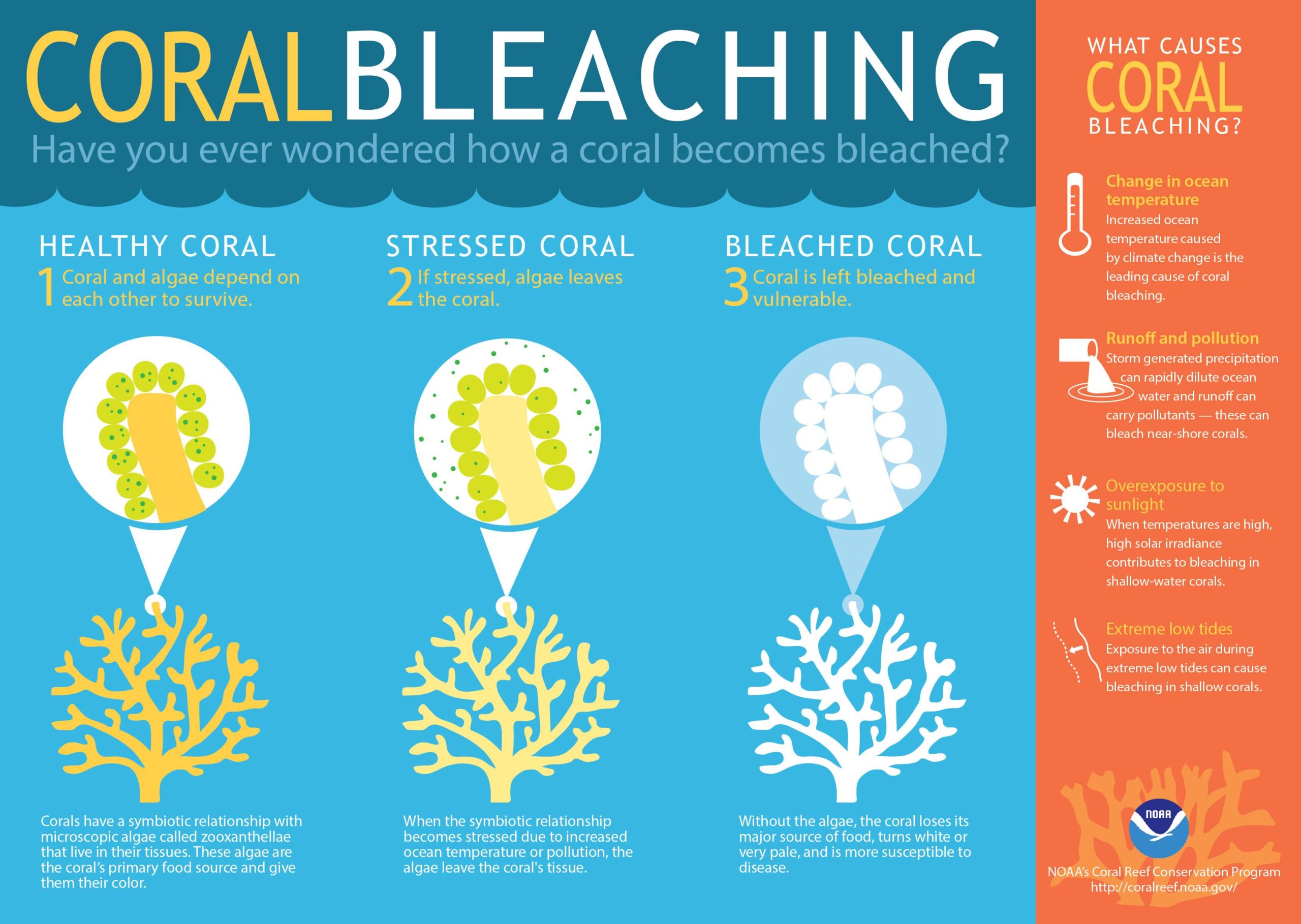
Coral reefs are often referred to as the rainforests of the sea, teeming with biodiversity and serving as vital ecosystems for countless marine species. However, beneath their vibrant surface lies a growing crisis that threatens their existence—coral bleaching. This phenomenon occurs when corals, stressed by factors such as rising sea temperatures and pollution, expel the symbiotic algae (zooxanthellae) that provide them with color and essential nutrients. The result is a stark white landscape that signals distress and, if unresolved, can lead to the death of these crucial organisms. In this article, we will delve into the complexities of coral bleaching, examining its environmental consequences, the underlying causes, and the urgent need for conservation efforts to protect these underwater treasures. Join us as we explore the intricate relationships within marine ecosystems and uncover what we can do to mitigate this pressing threat.
Table of Contents
- The Science Behind Coral Bleaching and Its Causes
- The Ecological Impact of Coral Degradation on Marine Life
- Strategies for Coral Reef Restoration and Resilience
- How Individuals Can Make a Difference in Coral Conservation
- Closing Remarks
The Science Behind Coral Bleaching and Its Causes
Coral bleaching is a complex phenomenon that occurs when corals expel the symbiotic algae known as zooxanthellae, which provide essential nutrients and coloration to the coral. This stress response is primarily triggered by environmental changes, leading to stark shifts in the coral’s health and color. Several factors contribute to the onset of this crisis, including:
- Rising sea temperatures: Even a slight increase can lead to bleaching.
- Ocean acidification: Higher carbon dioxide levels lower pH, affecting coral metabolism.
- Pollution: Nutrient run-off and toxins disrupt marine ecosystems.
- Overexposure to sunlight: Excessive UV radiation can damage coral tissue.
When corals bleach, they become more vulnerable to disease and mortality, creating a ripple effect throughout marine ecosystems. In fact, the loss of coral reefs can lead to the diminishment of biodiversity and affect the livelihoods of millions of people who rely on healthy reefs for food and tourism. To comprehend the urgency of addressing coral bleaching, consider the following table, which outlines vital statistics on the global impact of coral bleaching:
| Statistic | Impact |
|---|---|
| Coral coverage decline | ~50% in the last 30 years |
| Species affected | Over 25% of marine life dependent on coral |
| Economic loss | $375 billion annually from reef degradation |
The Ecological Impact of Coral Degradation on Marine Life
The degradation of coral reefs poses a significant threat to marine ecosystems, leading to a domino effect that disrupts myriad species. When corals expel their symbiotic algae—called zooxanthellae—in a process known as bleaching, the vibrant marine life that relies on these habitats begins to suffer. The consequences are extensive and include:
- Habitat Loss: Many fish and invertebrates depend on reefs for shelter, food, and breeding. Bleached reefs can lead to decreased biodiversity.
- Food Chain Disruption: The reduction in coral cover impacts not only the species directly associated with the reef but also predators and animals higher up the food chain.
- Economic Impact: Coral degradation affects commercial fisheries and tourism industries, which rely on healthy marine ecosystems.
The intricate relationships within coral ecosystems highlight their importance beyond just physical structure. For instance, many species exhibit symbiotic relationships with corals, which are crucial for nutrient cycling and energy transfer. A clear example of these interdependencies can be seen in the following table:
| Marine Species | Relationship with Coral | Effect of Coral Degradation |
|---|---|---|
| Clownfish | Mutualism | Increased vulnerability to predators |
| Coral polyps | Structural foundation | Loss of habitat |
| Parrotfish | Grazers that promote coral health | Imbalanced reef ecosystems |
As these examples illustrate, the ripple effects of coral degradation extend far beyond the coral itself, affecting everything from individual species’ survival chances to the economic stability of communities that depend on vibrant marine environments. The urgency to address coral bleaching and its ecological implications has never been clearer.
Strategies for Coral Reef Restoration and Resilience
To effectively counter the impacts of coral bleaching, a multifaceted approach is paramount. First, strategic site selection is crucial: prioritizing areas with favorable environmental conditions can enhance restoration efforts. Restoration initiatives should implement:
- Coral gardening — cultivating corals in nurseries before transplantation to enhance survival rates.
- Active monitoring — assessing coral health and water quality regularly to identify stress factors early.
- Community engagement — involving local communities in conservation efforts fosters stewardship and increases project sustainability.
Furthermore, enhancing the resilience of coral ecosystems can significantly mitigate bleaching events’ effects. This can be achieved through:
- Reducing local stressors — such as pollution, overfishing, and habitat destruction, which compound the effects of climate change.
- Promoting genetic diversity — involving the selection of resilient coral species for planting can improve adaptability to changing conditions.
- Habitat restoration — rehabilitating associated marine habitats like seagrass beds and mangroves supports overall ecosystem health.
| Strategy | Description |
|---|---|
| Coral Gardening | Growing corals in controlled environments for better survival rates. |
| Active Monitoring | Regularly checking coral health and environmental conditions. |
| Community Engagement | Involving locals in conservation efforts to ensure success. |
| Reducing Local Stressors | Addressing pollution and overfishing to improve coral health. |
| Promoting Genetic Diversity | Selecting resilient species for better adaptation. |
| Habitat Restoration | Rehabilitating seagrass and mangroves to support coral reefs. |
How Individuals Can Make a Difference in Coral Conservation
Individual actions can collectively lead to significant improvements in coral conservation efforts. By making informed lifestyle choices, people can help reduce the stressors that contribute to coral bleaching. Some practical steps include:
- Reducing Plastic Use: Limiting plastic consumption helps cut down on pollution that adversely affects marine ecosystems.
- Conserving Water: Using water efficiently can help mitigate runoff that carries harmful pollutants into oceans.
- Advocating for Sustainable Seafood: Choosing sustainably sourced seafood reduces the pressure on fragile coral reef ecosystems.
- Participating in Local Clean-Up Initiatives: Engaging in beach clean-ups helps remove debris that may suffocate corals and disrupt marine life.
Additionally, individuals can support coral conservation by engaging in community awareness efforts and advocating for environmentally friendly policies. Actions to consider include:
- Joining Conservation Organizations: Getting involved with local or global coral conservation groups can amplify efforts to protect reefs.
- Educating Others: Sharing knowledge about the importance of coral ecosystems can inspire community action and responsibility.
- Donating to Coral Research: Financial support for scientific research can advance understanding and develop mitigation strategies for coral bleaching.
- Using Eco-Friendly Products: Choosing non-toxic cleaning and personal care products reduces harmful chemicals entering marine habitats.
Closing Remarks
As we conclude our exploration of coral bleaching and its far-reaching environmental consequences, it’s clear that the health of coral reefs is intricately linked to the well-being of our planet’s ecosystems. The alarming increase in coral bleaching events signals not only a tragic loss of biodiversity but also a disruption to marine food chains and coastal protection.
Understanding the complex interplay of climate change, ocean acidification, and human activities is crucial for developing effective conservation strategies. As stewards of the Earth, it is our responsibility to advocate for sustainable practices, support marine conservation initiatives, and promote awareness about the plight of these vital ecosystems.
Even small changes in our daily lives can contribute to a more sustainable future for coral reefs. By reducing carbon footprints, minimizing plastic use, and supporting environmentally-friendly policies, we can work collectively to mitigate the factors driving coral bleaching.
In the coming years, we have the opportunity to turn the tide for our oceans. Let us remain informed, engaged, and motivated to protect these underwater marvels for generations to come. Together, we can foster a healthier, more resilient marine environment. Thank you for joining us on this journey to understand and address the pressing issue of coral bleaching.