


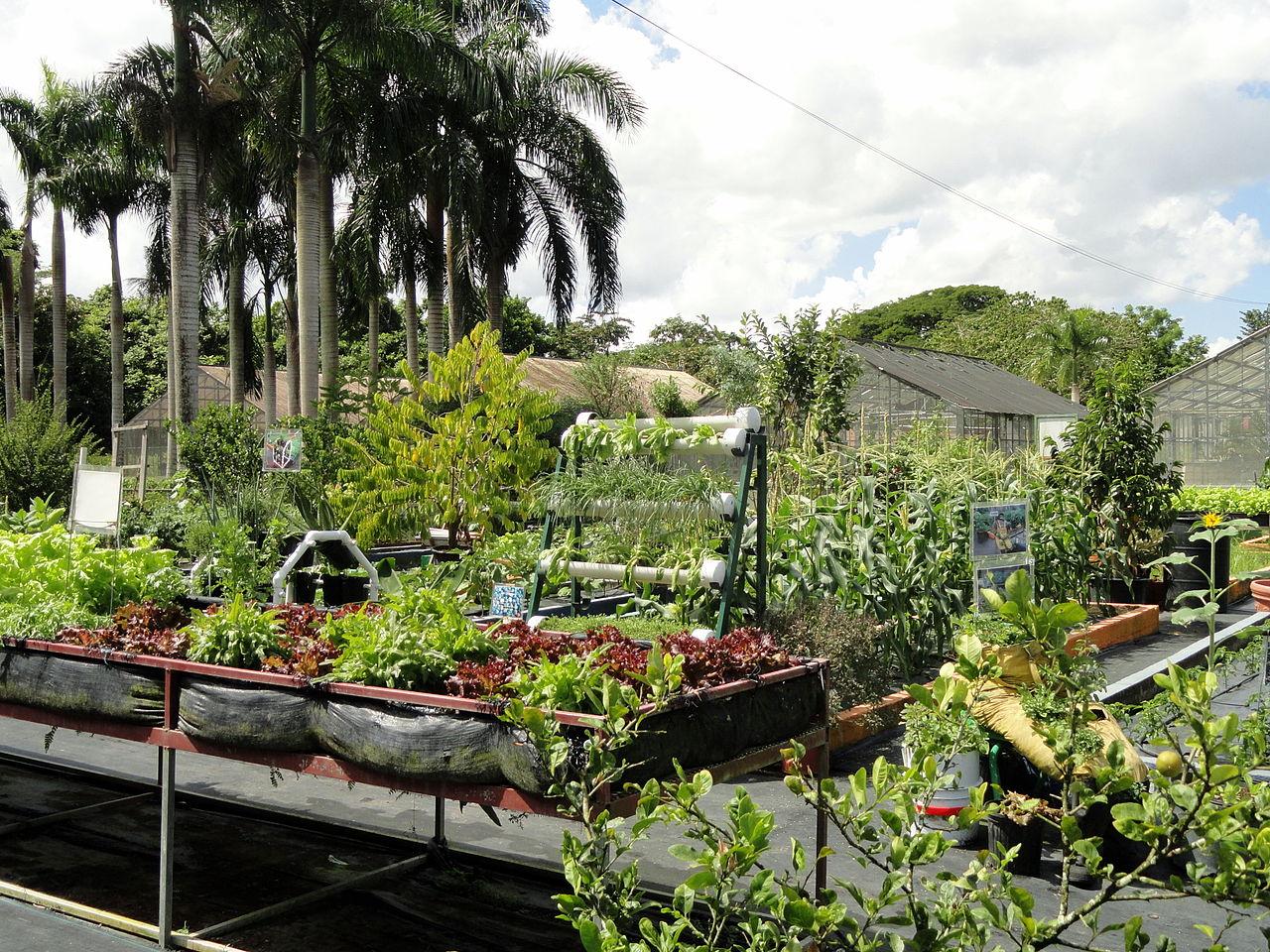
As the world increasingly turns its attention to sustainable agriculture and food security, the Caribbean emerges as a hidden gem for savvy investors seeking profitable opportunities in farmland. Beyond its breathtaking landscapes and vibrant cultures, this region offers a unique convergence of fertile soil, favorable climates, and a growing demand for local and organic produce. In this article, we will explore the multitude of investment possibilities in Caribbean farmland, highlighting the economic incentives, the agricultural innovations taking root, and the socio-environmental benefits that can arise from investing in these lush territories. Whether you are a seasoned investor or just starting to consider agricultural ventures, understanding the dynamics of Caribbean farmland can unlock a wealth of opportunities and contribute to the sustainable development of these islands. Join us as we delve into the prospects and potential that await in this economically vibrant and ecologically diverse corner of the world.
Table of Contents
- Exploring the Rich Potential of Caribbean Agricultural Investments
- Understanding the Unique Challenges and Benefits of Farmland in the Caribbean
- Identifying High-Growth Crops and Sustainable Practices for Profit Maximization
- Strategic Partnerships and Local Engagement: Keys to Successful Investments in Caribbean Farmland
- The Conclusion
Exploring the Rich Potential of Caribbean Agricultural Investments
The Caribbean region is teeming with opportunities for agricultural investments, driven by a combination of favorable climatic conditions, diverse ecosystems, and a growing demand for both local and international food products. Investors can tap into various agricultural sectors, including cash crops, organic farming, and agri-tourism. This vibrant area boasts rich volcanic soil, abundant rainfall, and extended growing seasons, making it ideal for cultivating a wide range of crops such as:
- Cacao – the foundation of a billion-dollar chocolate industry.
- Fruits – mangoes, pineapples, and bananas with rising export potential.
- Vegetables – supplying both local markets and export demands.
Furthermore, as consumer preferences shift towards sustainable and organic produce, Caribbean farmland offers a unique niche for investors focused on organic agriculture. Innovative farming practices and technology can enhance productivity, addressing challenges like soil erosion and climate change impacts. Joining forces with local farmers and agricultural cooperatives can also foster community development and ensure a steady supply chain. Consider the following financial incentives that bolster agricultural investments:
| Incentive Type | Description |
|---|---|
| Tax Benefits | Exemptions and reductions to encourage farming activities. |
| Grants and Subsidies | Funding opportunities for setting up sustainable practices. |
| Technical Assistance | Support programs aimed at enhancing production techniques. |
Understanding the Unique Challenges and Benefits of Farmland in the Caribbean
The Caribbean region presents a unique agricultural landscape, shaped by its diverse climates, rich biodiversity, and varying soil types. Here, farmers face several challenges, including hurricanes, droughts, and pests, which can unpredictably impact crop yields. Additionally, land tenure issues can complicate ownership and investment. However, these challenges can be navigated with innovative approaches. For instance, adopting sustainable agricultural practices can help mitigate environmental risks while enhancing productivity. The rise of agtech solutions also offers new opportunities to monitor and manage crops effectively, thereby improving resilience in the face of climate change.
Despite these hurdles, the benefits of investing in Caribbean farmland are substantial. The region’s favorable growing conditions allow for a variety of high-value crops, such as cocoa, coffee, and tropical fruits, which can command premium prices in global markets. Additionally, the increasing demand for organic and sustainably produced goods provides new avenues for profitability. The table below highlights some key benefits of investing in this vibrant agricultural sector:
| Benefit | Description |
|---|---|
| Diverse Crop Potential | Ability to grow tropical fruits, spices, and ornamental plants. |
| Growing Tourism Sector | Increased demand for local produce in restaurants and hotels. |
| Export Opportunities | Access to international markets for niche products. |
| Supportive Policies | Government incentives for agricultural development and sustainability. |
Identifying High-Growth Crops and Sustainable Practices for Profit Maximization
When exploring investment opportunities in Caribbean farmland, it’s crucial to focus on identifying crops that not only yield high returns but also align with sustainable practices. Here are several high-growth crops that have shown promise in the region:
- Cacao: A booming market for chocolate has revitalized interest in cacao farming, making it a lucrative choice.
- Avocado: With a rising demand for healthy fats, avocado cultivation has proven to generate impressive profits.
- Turmeric: Its health benefits and market demand make turmeric a valuable crop in Caribbean agriculture.
- Goat farming: Not a crop, but investing in livestock, particularly goats for meat and milk, presents growth and profitability, especially in local markets.
In addition to selecting the right crops, incorporating sustainable practices can further enhance profitability. Implementing methods like agroforestry, which integrates trees and shrubs into farmland, increases biodiversity and improves soil health. Furthermore, utilizing drip irrigation systems can significantly reduce water waste while ensuring crops receive adequate hydration. By focusing on these practices, investors can create a resilient agricultural system that meets consumer demands while positively impacting the environment.
| Crop Type | Market Demand | Sustainability Practices |
|---|---|---|
| Cacao | High | Shade-grown methods |
| Avocado | Growing | Water-efficient farming |
| Turmeric | Increasing | Crop rotation |
Strategic Partnerships and Local Engagement: Keys to Successful Investments in Caribbean Farmland
Investing in Caribbean farmland requires a nuanced understanding of both the local landscape and the potential benefits of strategic partnerships. By aligning with local agricultural cooperatives, businesses can tap into established networks, gaining valuable insights into regional farming practices and market demands. These partnerships foster trust and collaboration, often leading to shared resources and technology transfers that amplify productivity. When looking to engage locally, consider:
- Local Expertise: Collaborating with agronomists or seasoned farmers who understand the unique environmental challenges.
- Community Engagement: Involving local stakeholders to ensure investment sustainability and access to labor.
- Cultural Sensitivity: Acknowledging local customs and agricultural traditions to build respect and cooperation.
Furthermore, establishing strong relationships with local governments can streamline the regulatory process and facilitate better access to funding and resources. Governments often provide incentives for agricultural development, which can be a boon for investors. It’s vital to recognize the importance of transparency and communication in these engagements to build lasting alliances. Below are some essential factors to consider when forging these connections:
| Factor | Importance | Action Steps |
|---|---|---|
| Local Knowledge | Understanding the land and crops | Engage local experts |
| Regulatory Support | Facilitates easier compliance | Build rapport with officials |
| Community Buy-In | Ensures long-term project viability | Involve residents in planning |
The Conclusion
the Caribbean presents a unique and enticing opportunity for investors looking to tap into the potential of farmland. With its rich, fertile soil, favorable climate, and growing demand for fresh, sustainable produce, the region not only promises solid returns but also offers a chance to be part of something larger—supporting local economies and promoting food security.
As we navigate the complexities of global agriculture and the increasing need for sustainable practices, investing in Caribbean farmland emerges as a strategic move. Whether you’re an experienced investor or a newcomer to the agricultural scene, understanding the diverse landscapes, regulatory environments, and market demands can unlock new avenues for profit.
Now is the time to act. By leveraging insights from industry experts and developing relationships with local stakeholders, you can position yourself advantageously in this burgeoning sector. As we look toward the future, let the Caribbean’s abundant resources and vibrant communities inspire your investment journey. Together, let’s cultivate not only crops but also a sustainable path to prosperity.
Thank you for joining us in exploring this exciting venture. If you have any thoughts or questions about investing in Caribbean farmland, we’d love to hear from you in the comments below!