


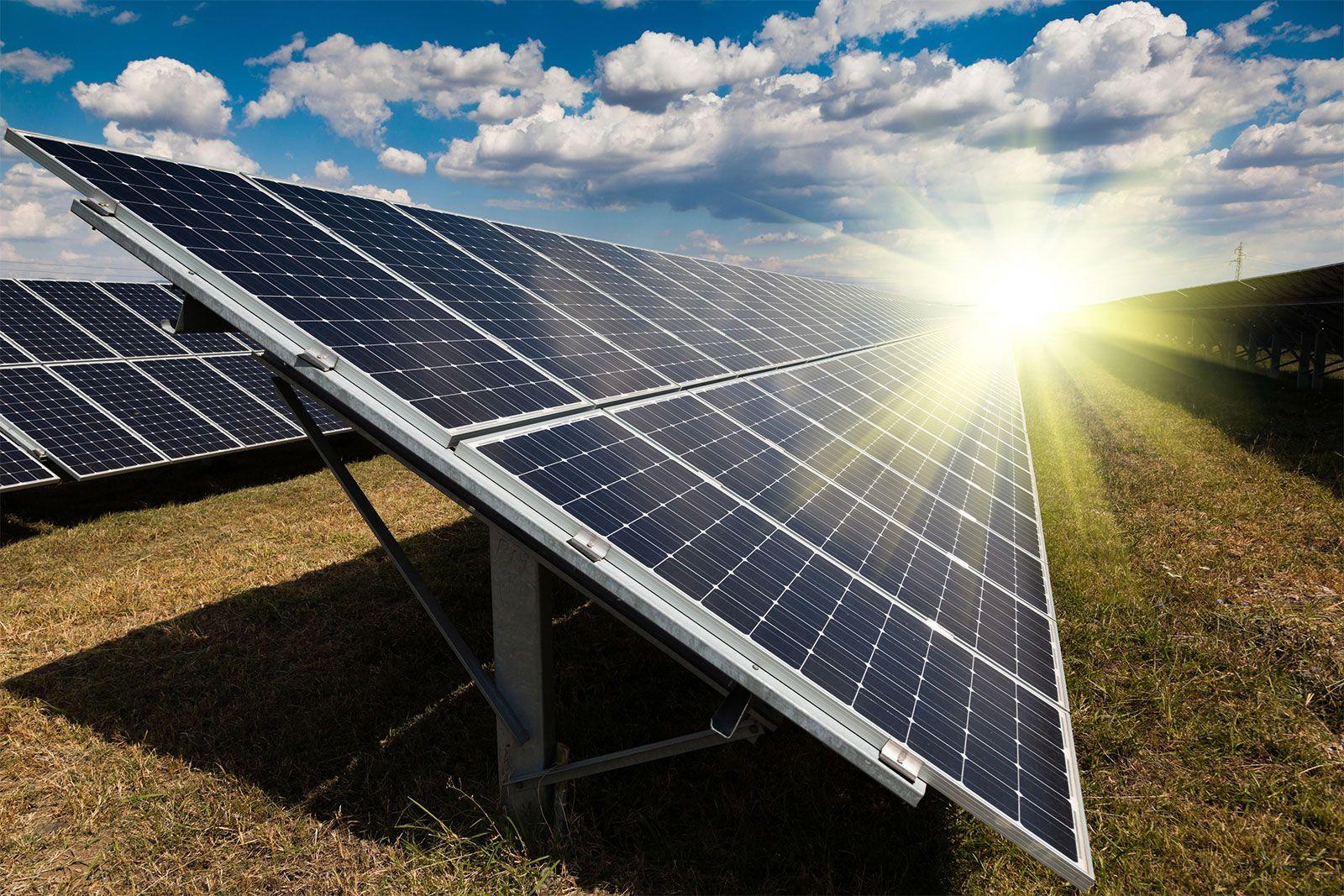
As the world grapples with the pressing challenges of climate change and resource depletion, the transition to renewable energy sources has never been more critical. In our region, the sun shines brightly, and the winds blow generously, presenting a unique opportunity to harness these natural resources for sustainable energy solutions. In this article, we will explore the immense potential of solar and wind energy in our area, delving into the current landscape, technological advancements, and the impact these renewable sources can have on our local economy and environment. Join us as we chart the course towards a greener future, unlocking the possibilities that lie within our reach to create a more sustainable and resilient community.
Table of Contents
- Exploring the Current Landscape of Solar and Wind Energy in Our Region
- Key Benefits of Investing in Renewable Energy Infrastructure
- Innovative Technologies Driving Solar and Wind Efficiency
- Strategic Recommendations for Policymakers and Community Leaders
- In Summary
Exploring the Current Landscape of Solar and Wind Energy in Our Region
The push towards renewable energy sources has significantly transformed the energy landscape in our region. Solar and wind energy infrastructures are expanding rapidly, driven by technological advancements and supportive policies. Key factors influencing this growth include:
- Government Incentives: Subsidies and tax breaks for solar panel installations and wind farm developments.
- Community Engagement: Increased awareness and participation from local residents in renewable energy projects.
- Technological Innovations: Improved efficiency of solar panels and wind turbines, making them more viable for both residential and commercial use.
Currently, several projects are in development or operational, making notable contributions to our energy grid. A recent analysis highlighted the progress in our region:
| Project Name | Type | Capacity (MW) | Status |
|---|---|---|---|
| Sunny Meadows | Solar | 10 | Operational |
| Windy Ridge | Wind | 20 | Under Construction |
| Eco Heights | Solar | 5 | Planned |
Key Benefits of Investing in Renewable Energy Infrastructure
Investing in renewable energy infrastructure presents numerous advantages that extend beyond mere financial returns. First and foremost, it contributes to environmental sustainability by significantly reducing greenhouse gas emissions, which helps combat climate change. Furthermore, these investments often spur job creation in local economies, providing a boost to communities through new employment opportunities in sectors such as manufacturing, installation, and maintenance. As energy sources like solar and wind become increasingly mainstream, their economic viability continues to improve, leading to a chain reaction of innovation and technological advancements.
Moreover, the transition to renewable energy sources enhances energy security by diversifying the energy supply and reducing dependence on fossil fuels. This is particularly crucial in today’s geopolitical climate where energy supply may be compromised by international conflicts or market volatility. Additionally, investors stand to benefit from government incentives and subsidies, which can substantially offset initial costs and improve ROI. By supporting our region’s shift towards renewable energy, stakeholders not only pave the way for a cleaner future but also reap significant financial benefits by tapping into a vibrant and growing market.
Innovative Technologies Driving Solar and Wind Efficiency
The landscape of renewable energy is rapidly evolving, propelled by groundbreaking innovations that enhance the efficiency of solar and wind technologies. One of the most promising advancements is the development of bifacial solar panels, which absorb sunlight on both sides, significantly increasing energy capture compared to traditional panels. Additionally, vertical-axis wind turbines are gaining traction, particularly in urban settings, as they offer greater efficiency in wind capture while occupying less space. These technologies are reshaping how we harness natural resources, enabling installations in diverse environments, from rooftops to remote areas.
Emerging smart grid technologies are further optimizing energy use and distribution, allowing for real-time analysis and automated adjustments to energy flow based on demand and availability. With the integration of AI and machine learning, energy producers can forecast energy production more accurately, leading to better investment and resource allocation. Furthermore, advancements in energy storage solutions, such as solid-state batteries, promise to store excess energy generated from solar and wind, ensuring a steady supply even when conditions are less favorable. This synergistic approach not only boosts the viability of renewable energy but also minimizes reliance on fossil fuels, paving the way for a sustainable future.
Strategic Recommendations for Policymakers and Community Leaders
To effectively harness the region’s renewable energy capabilities, it is crucial for policymakers and community leaders to adopt a multifaceted approach. This includes investing in infrastructure that supports solar and wind energy development, such as upgrading the power grid to accommodate renewable sources. Encouraging public-private partnerships can also drive innovation and reduce financial burdens on local governments. Moreover, implementing incentives for businesses and homeowners who invest in solar panels or wind turbines will not only create jobs but also foster a culture of sustainability within the community.
In addition to infrastructural improvements, there’s a need for comprehensive educational initiatives aimed at raising awareness about the benefits of renewable energy. This can be achieved through workshops, community meetings, and digital campaigns that highlight the long-term economic and environmental advantages. Furthermore, establishing a clear regulatory framework that streamlines the permitting process for renewable energy projects will facilitate quicker deployment. Below is a succinct overview of action steps to consider:
| Action Step | Description |
|---|---|
| Infrastructure Investment | Upgrade the power grid for better renewable energy integration. |
| Public-Private Partnerships | Collaborate for innovation and cost-sharing in renewable projects. |
| Educational Initiatives | Provide community awareness programs on renewables. |
| Regulatory Framework | Simplify permitting for renewable energy installations. |
In Summary
As we conclude our exploration of the immense potential of solar and wind energy in our region, it’s clear that the path toward a sustainable future is not just a distant dream, but an achievable reality. With advancements in technology, growing community support, and favorable policies, we have the tools at our disposal to harness the incredible power of nature.
Transitioning to renewable energy sources like solar and wind not only promises environmental benefits but also spurs economic growth, creates jobs, and enhances energy security. The opportunities are vast, from reducing our carbon footprint to safeguarding our communities against the unpredictable impacts of climate change.
Now is the time for stakeholders—governments, businesses, and citizens—to collaborate and invest in these renewable solutions. By tapping into the abundant resources that wind and solar provide, we can pave the way for a cleaner, greener, and more resilient future.
So, whether you’re a homeowner considering solar panels, a local business looking for sustainable practices, or an advocate for policy change, every step counts. Let’s champion renewable energy, not just as an option, but as our collective responsibility. Together, we can unlock the full potential of our region—and leave a lasting legacy of sustainability for generations to come.
Thank you for joining us on this journey toward renewable energy. Share your thoughts and experiences in transitioning to solar and wind energy below; we would love to hear from you!