


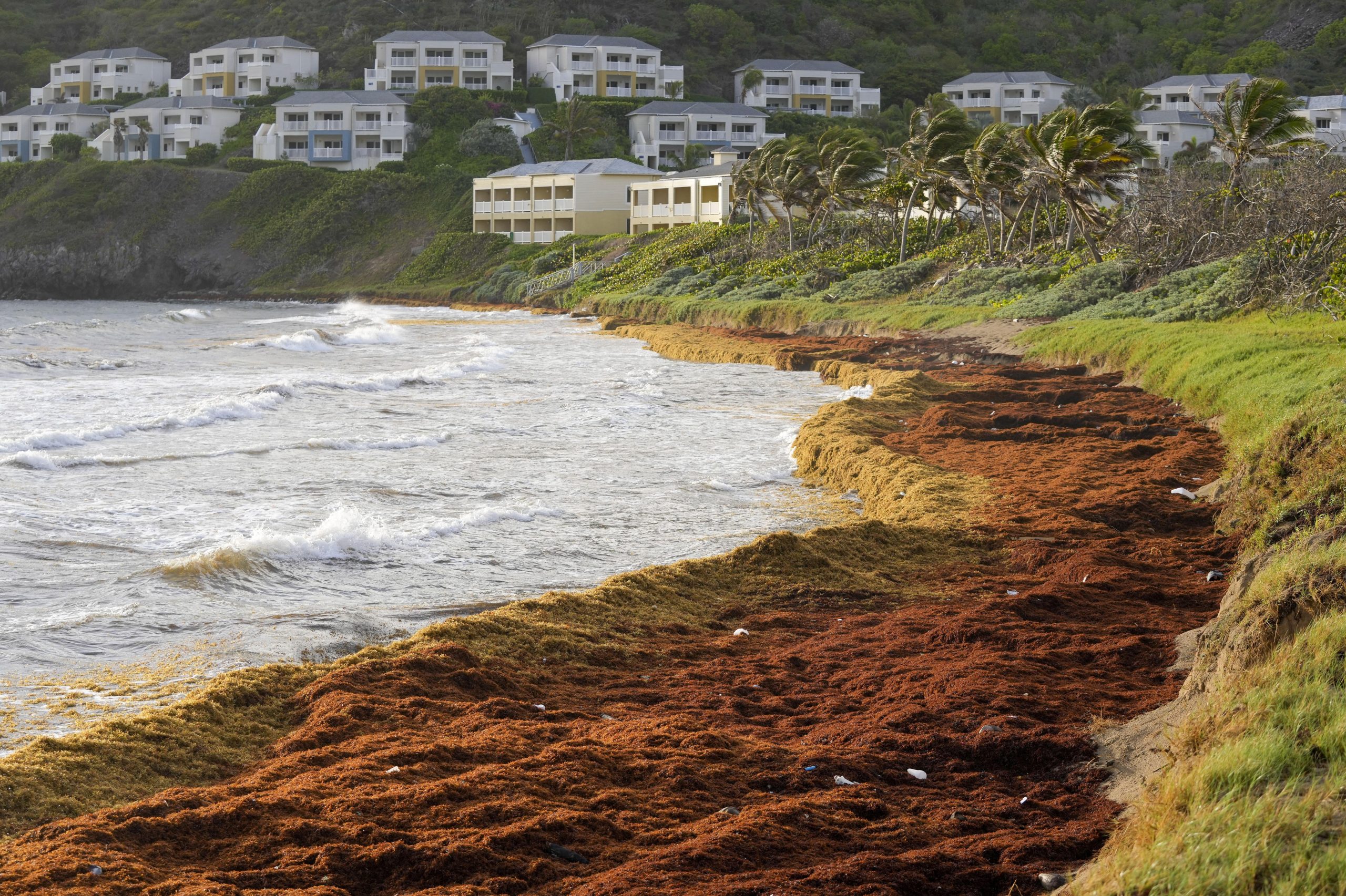
As global challenges such as climate change, overfishing, and plastic pollution increasingly demand innovative solutions, the Caribbean islands are embracing a compass of hope rooted in sustainability: seaweed farming. From the vibrant depths of the Caribbean Sea, this age-old practice is evolving into a modern-day blueprint for environmental stewardship and economic resilience. With its remarkable potential to serve both as a sustainable food source and a powerful tool for carbon sequestration, seaweed farming is not just cultivating crops beneath the waves; it’s cultivating a brighter future for the region’s ecosystems and communities alike. In this article, we will explore the burgeoning industry of Caribbean seaweed farming, its myriad benefits, and the steps needed to unlock its full potential as a cornerstone of sustainable development in this unique and biodiverse region. Join us as we dive into the depths of this aquatic revolution, showcasing inspiring initiatives, innovative technologies, and the passionate individuals who are leading the charge towards a greener, more sustainable Caribbean.
Table of Contents
- The Environmental Benefits of Caribbean Seaweed Farming
- Innovative Techniques Transforming Seaweed Cultivation
- Market Potential and Economic Opportunities for Local Communities
- Strategies for Sustainable Practices in the Seaweed Industry
- The Way Forward
The Environmental Benefits of Caribbean Seaweed Farming
Caribbean seaweed farming represents a multifaceted approach to environmental sustainability, presenting exciting opportunities for ecosystem restoration. This practice plays a vital role in carbon sequestration, as seaweeds absorb carbon dioxide from the atmosphere, thus helping mitigate climate change. Furthermore, seaweed farms provide essential habitats for a variety of marine species, contributing to the health of the coastal ecosystem. In addition to promoting biodiversity, these farms help stabilize the seafloor, reducing erosion and protecting shorelines from the effects of storms and rising sea levels.
The cultivation of seaweed also mitigates nutrient pollution often associated with coastal agriculture and urban runoff. By absorbing excess nutrients, particularly nitrogen and phosphorus, seaweed farms can help maintain water quality and prevent algal blooms that are harmful to marine life. The benefits extend beyond just environmental health; they create economic opportunities for local communities through sustainable aquaculture practices. Farmers can engage in environmentally conscious practices while facilitating a transition to an economy that prioritizes ecological balance and resource management. the integration of seaweed farming in the Caribbean not only enhances local ecosystems but also promotes a sustainable future for both the environment and coastal communities.
Innovative Techniques Transforming Seaweed Cultivation
The future of seaweed farming in the Caribbean is being shaped by groundbreaking techniques that promise to enhance yield, sustainability, and profitability. Among these methods, integrated multi-trophic aquaculture (IMTA) stands out for its innovative approach to ecosystem management. This method involves cultivating multiple species from different trophic levels together, where the waste from one species serves as food for another. As a result, IMTA not only boosts productivity but also minimizes the environmental footprint of seaweed farms. Key benefits include:
- Enhanced Biodiversity: Promotes a more resilient marine ecosystem.
- Waste Reduction: Mitigates pollution by recycling nutrients.
- Higher Economic Returns: Diversifies income sources for farmers.
Another revolutionary practice gaining traction is the use of data analytics and precision farming in seaweed cultivation. By employing sensors and satellite imagery, farmers can monitor water quality, temperature, and nutrient levels in real-time. This data-driven approach allows for optimized growing conditions, resulting in healthier plants and higher yields. Moreover, the utilization of artificial intelligence (AI) facilitates predictive modeling that can forecast growth patterns and potential challenges. Key features of this technique include:
| Technique | Benefits |
|---|---|
| Data Analytics | Real-time monitoring, optimized resources |
| AI Predictions | Growth forecasting, proactive management |
Market Potential and Economic Opportunities for Local Communities
The burgeoning industry of seaweed farming in the Caribbean holds tremendous promise for local communities, offering a myriad of economic opportunities that extend far beyond agricultural outputs. Seaweed, known for its versatility, can be utilized in sectors such as food production, cosmetics, and biotechnology. As global demand for sustainable products grows, Caribbean seaweed farmers are perfectly positioned to meet this need, providing local employment and stimulating economic growth. Key benefits include:
- Job creation: Establishment of farms can lead to the hiring of local labor, empowering communities and reducing unemployment rates.
- Diversified income sources: Seaweed farming can supplement traditional fishing activities, enhancing household incomes.
- Support for tourism: Eco-friendly practices can attract tourists interested in sustainability, providing an additional revenue stream.
Moreover, the economic ripple effects of seaweed farming extend to allied industries, creating a network of opportunities for local entrepreneurs. For instance, the establishment of processing facilities not only increases the value of raw seaweed but also leads to the emergence of secondary businesses, such as packaging and distribution. By investing in infrastructure and training for sustainable farming practices, communities can maximize their economic return. A summary of potential impacts can be illustrated as follows:
| Impact Area | Economic Opportunities |
|---|---|
| Employment | Local hiring for farming and processing |
| Tourism | Increased visitors through eco-friendly branding |
| Innovation | Development of new products and markets |
Strategies for Sustainable Practices in the Seaweed Industry
Implementing effective sustainable practices in the seaweed industry is crucial for preserving marine ecosystems and ensuring the long-term viability of farming operations. One strategy involves integrative multi-trophic aquaculture (IMTA), where different species are cultivated together in ways that enhance productivity and reduce waste. For instance, seaweed can be farmed alongside fish or shellfish, which provide nutrients to the seaweed, while the seaweed effectively cleans the water, creating a balanced environment. Other practices include the use of natural fertilizers and minimizing the reliance on chemical inputs, promoting the health of the surrounding ecosystem. Moreover, establishing certification programs for sustainable seaweed practices can enhance consumer trust and marketability, encouraging farmers to adopt more eco-friendly techniques.
Another essential element for the advancement of sustainability in the seaweed industry is fostering community involvement and education. By providing training programs and workshops, seaweed farmers can learn about the latest sustainable technologies and methods, improving their yield while maintaining environmental integrity. Collaborations with local universities can facilitate research into resilient seaweed strains and innovative farming techniques tailored to the Caribbean’s unique climate. Furthermore, incentivizing research and development through grants and subsidies can help implement cutting-edge solutions, thereby reinforcing a commitment to sustainability. Together, these strategies promote a robust, eco-conscious industry with a focus on the well-being of both the environment and the communities that depend on it.
The Way Forward
As we stand at the crossroads of environmental stewardship and economic development, the potential of Caribbean seaweed farming shines as a beacon of hope. By unlocking the vast benefits of this sustainable resource, we not only contribute to the health of our oceans but also stimulate local economies and foster resilience in the face of climate change.
The journey towards a thriving seaweed industry in the Caribbean is one that requires collaboration, innovation, and a commitment to sustainable practices. As we embrace these opportunities, we also weave a narrative of empowerment for coastal communities, creating jobs while safeguarding our precious marine ecosystems.
In this ever-evolving landscape, staying informed and engaged is vital. By supporting research, policy development, and sustainable practices, we can cultivate a future where seaweed farming becomes an integral part of the Caribbean’s identity—harmonizing economic growth with environmental preservation.
As we move forward, let’s keep the conversation going. How can you contribute to this vibrant industry? Whether it’s through education, investment, or simply spreading the word, each action counts in steering the Caribbean towards a sustainable future. Together, let’s unlock the full potential of seaweed farming and celebrate the transformative impact it holds for our cherished region and beyond.