


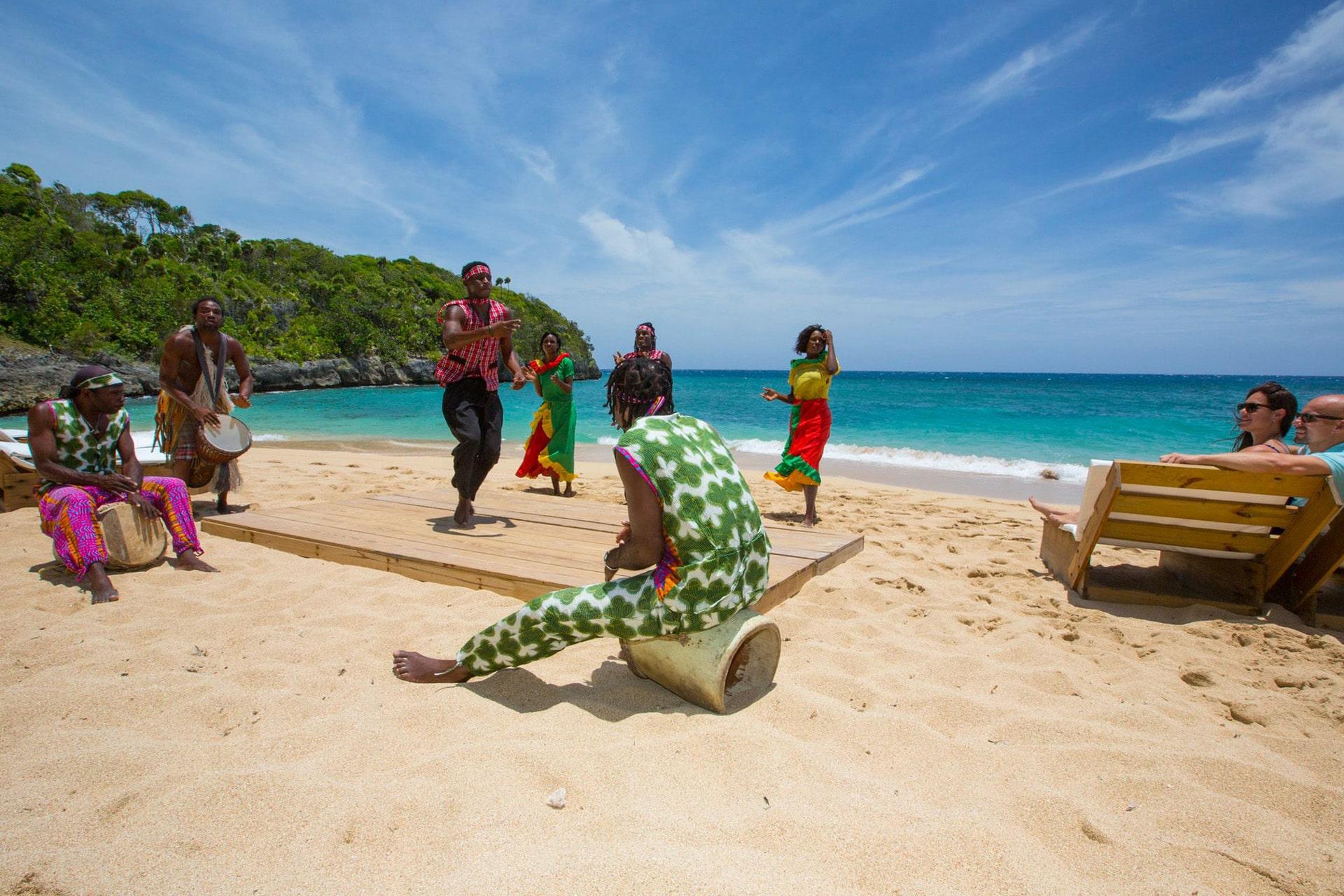
In the vibrant tapestry of Caribbean culture, storytelling stands out as a cherished art form, fostering community bonds and preserving rich histories. As the sun sets over the turquoise waters and balmy breezes sweep across the islands, the age-old tradition of storytelling comes alive, drawing individuals of all ages into a world of myth, legend, and shared experiences. This article delves into the significance of Traditional Storytelling Nights in the Caribbean, exploring how these events serve not only as a means of entertainment but also as a vital vehicle for cultural preservation and communal identity. From the rhythmic cadence of the narrator’s voice to the captivating tales that echo through generations, storytelling nights offer an immersive glimpse into the Caribbean’s soul, illuminating the ongoing dialogue between past and present in this dynamic region. Join us as we unveil the enchanting world of Caribbean storytelling and its role in shaping a vibrant cultural heritage that continues to thrive amidst modernization.
Table of Contents
- Exploring the Origins and Significance of Storytelling in Caribbean Communities
- Highlighting Key Traditional Stories and Their Cultural Messages
- Creating a Welcoming Environment for Storytelling Events
- Best Practices for Engaging Audiences in Caribbean Storytelling Nights
- Key Takeaways
Exploring the Origins and Significance of Storytelling in Caribbean Communities
In Caribbean communities, storytelling is more than just a form of entertainment; it serves as a vital vessel for preserving history, culture, and communal bonds. Traditional storytelling nights, often held under the starry skies or in vibrant community centers, bring together people of all ages. These gatherings not only celebrate the rich oral traditions but also strengthen intergenerational ties. Participants share tales about:
- Folklore and Mythology: Legends of Anansi the Spider and other trickster figures.
- History: Stories of ancestors who fought for freedom and survival.
- Local Wisdom: Life lessons passed down through generations.
The significance of these storytelling sessions extends beyond mere nostalgia; they play a crucial role in identity formation within Caribbean societies. Each story shared is a thread woven into the cultural fabric, enriching community values while promoting linguistic diversity. As part of modern festivities, these storytelling nights encourage the use of indigenous languages and dialects, fostering an appreciation for linguistic heritage. Below is a brief overview of notable storytelling events celebrated across the Caribbean:
| Event | Location | Date |
|---|---|---|
| Caribbean Storytelling Festival | Port-of-Spain, Trinidad | August |
| Festival of Storytelling | Bridgetown, Barbados | July |
| Storytellers of the Sea | Kingston, Jamaica | November |
Highlighting Key Traditional Stories and Their Cultural Messages
In the heart of the Caribbean, traditional storytelling serves as a vibrant medium through which cultural values and history are passed down from generation to generation. Tales of heroism, resilience, and the supernatural play a vital role in shaping communal identities and fostering a sense of belonging. Key stories include:
- Anansi the Spider: A clever trickster who outsmarts more powerful foes, representing the triumph of wit over might.
- Haitian Vodou Legends: Narratives that explore the spiritual connections between the living and the spirits, emphasizing respect for ancestors.
- The Legend of the Singing River: A tale that highlights the beauty of nature and the importance of environmental stewardship.
These stories not only entertain but also impart essential lessons about community, respect, and ecological awareness. Through storytelling nights, the Caribbean community reaffirms its cultural identity while ensuring that younger generations learn about their ancestry and heritage. Cultural messages conveyed through these narratives include:
| Story | Cultural Message |
|---|---|
| Anansi | Intelligence can overcome brute strength. |
| Haitian Vodou | Importance of ancestral respect and spiritual awareness. |
| Singing River | Connection to nature and the importance of caring for the environment. |
Creating a Welcoming Environment for Storytelling Events
To foster an inviting atmosphere for storytelling events that celebrate Caribbean culture, it’s essential to create a space that resonates with warmth and engagement. Start by decorating the venue with vibrant colors and traditional Caribbean motifs. This could include:
- Island-inspired decorations like palm leaves and seashells
- Traditional textiles such as batiks or woven mats
- Local artwork showcasing Caribbean life and landscapes
Equally important is the arrangement of seating to encourage participation and interaction among attendees. Aim for a setup that feels cozy yet spacious enough to allow movement. Consider using a circular formation for chairs to create an intimate setting. Additionally, offer refreshments that reflect Caribbean flavors, enhancing the overall experience:
| Refreshment | Description |
|---|---|
| Patties | Flaky pastry filled with spiced meats or vegetables |
| Rum Punch | A fruity mix of rum, fruit juices, and spices |
| Tropical Fruit Salad | A refreshing blend of local fruits like mango and pineapple |
Best Practices for Engaging Audiences in Caribbean Storytelling Nights
To create an engaging atmosphere that captivates your audience during traditional storytelling nights, focus on the interactive experience. Incorporate the following elements to foster participation and enjoyment:
- Live Music: Integrating local musicians can set the tone and draw attendees into the narrative.
- Audience Participation: Encourage listeners to share their own stories or experiences related to the theme.
- Visual Aids: Use props or visuals that emphasize the storytelling, allowing the audience to connect more deeply with the culture.
- Food and Drink: Offer traditional refreshments that enhance the evening’s cultural immersion.
Furthermore, ensure that the storytellers connect with the audience through personalized narratives that resonate with common experiences. Consider these practices:
- Cultural Relevance: Select stories that reflect the rich tapestry of Caribbean heritage and modern interpretations.
- Dynamic Presentation: Encourage storytellers to use expressive body language and varied vocal techniques to keep the audience engaged.
- Story Circles: Create smaller groups for intimate storytelling sessions to foster deeper connections.
Key Takeaways
As we conclude our exploration into the vibrant tradition of storytelling nights across the Caribbean, it becomes evident that this cultural practise is more than just an art form; it is a vital thread woven into the fabric of Caribbean identity. These gatherings serve as a platform for preserving heritage, fostering community ties, and passing down wisdom through generations. In a world increasingly driven by technology and rapid change, the continued embrace of storytelling underscores the resilience and creativity of Caribbean societies.
The stories told during these nights reflect the richness of diverse backgrounds, languages, and histories that come together in this unique region. They invite audiences to connect with their roots and engage with the universal themes that resonate across cultures. As we celebrate the revival of these traditions, it is essential to recognize the role they play in shaping the future of Caribbean culture.
In recognizing and supporting storytelling nights, we not only honor the past but also ensure that future generations can continue to share and cherish these narratives. As the Caribbean continues to evolve, its storytelling heritage remains a testament to its enduring spirit, creativity, and community resilience. We encourage readers to seek out local storytelling events, participate, and contribute to this rich cultural dialogue. Together, let us keep the flames of these Caribbean tales alive, ensuring that they echo through time for years to come.