


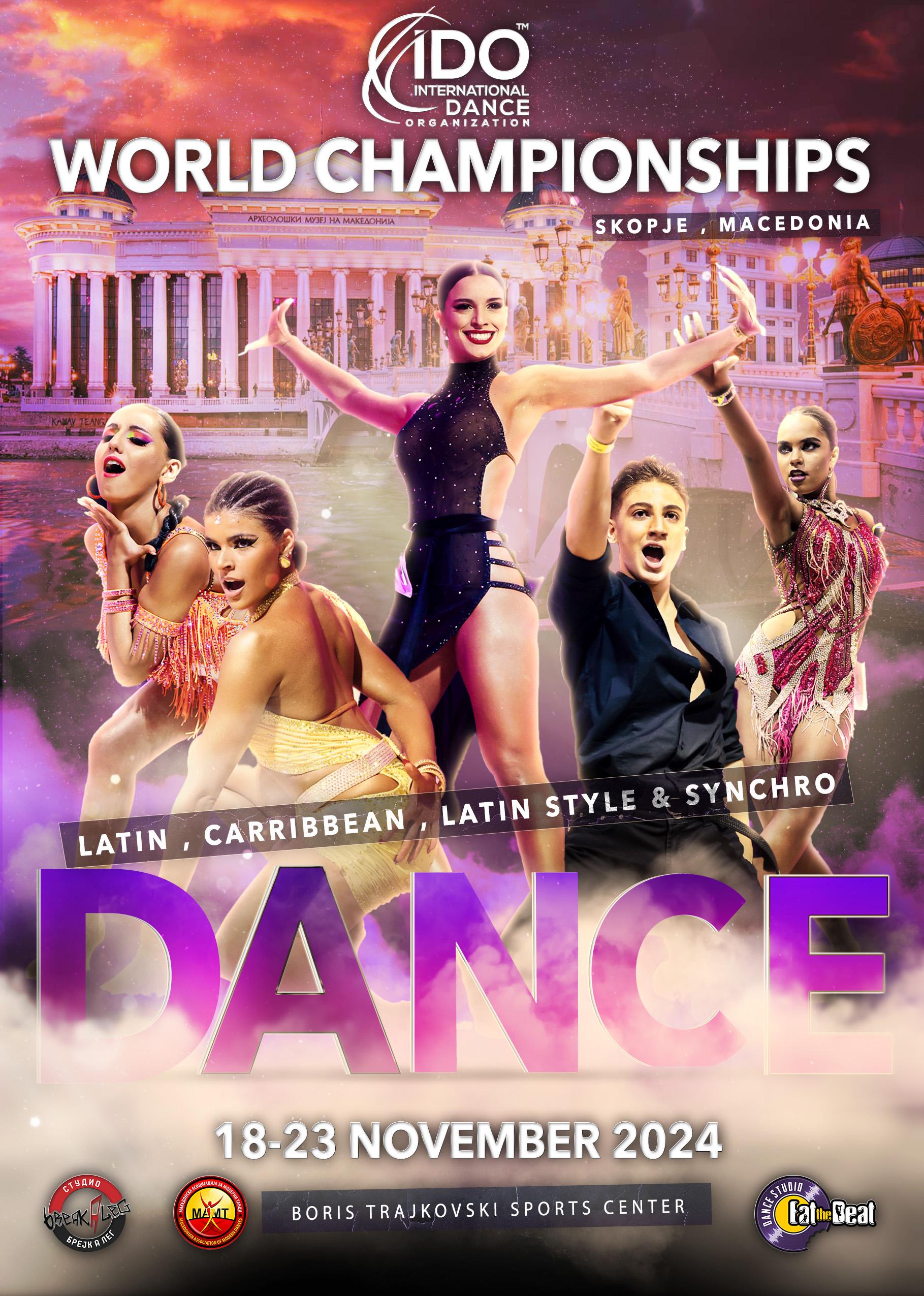
In the vibrant heart of the Caribbean, where the rhythm of life pulses through every street and coastline, dance serves as a powerful medium of cultural expression and community cohesion. This article delves into the world of Caribbean dance competitions, a dynamic platform where tradition meets creativity, and diverse influences converge to celebrate the region’s rich artistic heritage. From the spirited beats of calypso to the mesmerizing movements of traditional folk dances, these competitions not only spotlight exceptional talent but also foster a deeper understanding of the stories and histories that these dances embody. Join us as we explore the significance of these events, the dedication of the performers, and the cultural pride that resonates throughout the islands.
Table of Contents
- Exploring the Rich History and Diversity of Caribbean Dance Traditions
- Criteria for Success: Judging Standards in Caribbean Dance Competitions
- Nurturing Future Talent: How Competitions Support Emerging Dancers
- The Impact of Caribbean Dance Competitions on Cultural Identity and Tourism
- The Conclusion
Exploring the Rich History and Diversity of Caribbean Dance Traditions
The Caribbean boasts a vibrant tapestry of dance traditions deeply rooted in its complex history of colonialism, migration, and cultural exchange. Each island’s unique identity is reflected in its dance forms, which often serve as a means of storytelling and connecting generations. The diverse rhythms and styles can range from the energetic Calypso and Soca of Trinidad, steeped in carnival celebrations, to the graceful movements of Ballet Folklorico in Puerto Rico. These dances not only entertain but also preserve the rich heritage of the Caribbean, offering insights into the social and political landscapes that shape the lives of its people.
Caribbean dance competitions have emerged as significant cultural showcases, bringing together dancers from various backgrounds to celebrate their heritage and artistry. Events like the St. Lucia Dance Festival and Caribbean Dance Showcase not only highlight the incredible talent of dancers but also emphasize the importance of traditional and contemporary forms in today’s society. Participants often engage in categories that reflect their cultural roots, such as:
- Traditional Folk Dances
- Street Dance Styles
- Contemporary Fusion
- Carnival Performance
These competitions foster community spirit and encourage the preservation of cultural practices in a modern context. Additionally, they provide opportunities for dancers to showcase their skills on larger platforms, bridging the gap between tradition and innovation.
Criteria for Success: Judging Standards in Caribbean Dance Competitions
In Caribbean dance competitions, success hinges on a diverse set of judging standards that encapsulate the rich cultural tapestry of the region. Technical proficiency remains a foundational criterion, assessing dancers on their skill level, execution of movements, and adherence to genre-specific techniques. Additionally, judges consider stage presence and charisma, as competitors must not only perform but also engage the audience, conveying emotions and narratives through their art. The ability to transmit the cultural significance of the dance form plays a critical role; thus, knowledge of historical context and traditional elements is also evaluated.
Beyond technical aspects, judges prioritize creativity and originality. This encompasses the incorporation of unique choreography and innovative interpretations of traditional dances. Furthermore, competitions often feature a marked emphasis on musicality and rhythm, encouraging participants to harmoniously blend their movements with music—crucial in genres like calypso and reggae. To provide a clear framework for these assessments, many competitions utilize tables to standardize scoring across different categories, ensuring transparency and fairness. The incorporation of audience votes may also influence the final outcomes, reflecting the communal spirit embedded within Caribbean culture.
Nurturing Future Talent: How Competitions Support Emerging Dancers
The vibrant world of Caribbean dance is enriched not only by its rich cultural heritage but also by the burgeoning talent emerging from local communities. Competitions play a pivotal role in this nurturing process, providing aspiring dancers with a platform to showcase their skills and creativity. These events create an atmosphere of healthy competition where participants can learn from one another, receive critical feedback, and elevate their artistry. The exposure gained from performing in front of judges and audiences can be invaluable, often serving as a springboard for future opportunities in both local and international dance scenes.
Moreover, competitions facilitate connections between emerging artists and industry professionals. Many events include workshops, masterclasses, and networking opportunities, bridging the gap between young talent and seasoned dancers. This symbiotic relationship ensures that aspiring dancers not only hone their skills but also understand the significance of collaboration and mentorship within the arts. As competitions grow in popularity, their role in shaping the future of Caribbean dance becomes increasingly vital, ensuring a vibrant and continuously evolving cultural landscape.
The Impact of Caribbean Dance Competitions on Cultural Identity and Tourism
Caribbean dance competitions serve as a vibrant canvas that reflects the diverse cultural identities of the region. Participants from various backgrounds come together to showcase traditional forms such as calypso, soca, and reggae, intertwining contemporary styles that resonate with younger generations. This dynamic blend not only strengthens community bonds but also fosters a sense of pride in local heritage. Each performance acts as a storytelling mechanism, where dancers narrate their unique histories and experiences, reinforcing cultural significance and community solidarity.
The influx of tourists drawn to these competitions amplifies their impact on local economies. Festivals dedicated to dance attract international visitors, providing a significant boost to sectors such as hospitality, dining, and transportation. According to recent studies, dance competitions have effectively positioned themselves as key attractions in Caribbean tourism, offering unique insights into local culture while promoting economic sustainability. The table below highlights the benefits generated from these events:
| Benefit | Description |
|---|---|
| Economic Growth | Increased local revenue through tourism. |
| Cultural Preservation | Encouragement of traditional dance forms among youth. |
| Community Engagement | A platform for local artists to showcase their talents. |
| International Exposure | Global awareness of Caribbean culture and arts. |
The Conclusion
Caribbean dance competitions serve as captivating windows into the rich cultural tapestry of the region. These events not only celebrate the intricate rhythms and movements that define Caribbean identity but also foster community, creativity, and camaraderie among participants and spectators alike. As these competitions continue to evolve, they remain vital platforms for showcasing the artistry and heritage of the Caribbean, attracting both local and international audiences. By highlighting the diverse forms of expression found within Caribbean dance, we gain a deeper appreciation for the cultural nuances that shape this vibrant region. As we look to the future, it is essential to support and promote these competitions, ensuring that they thrive as both cultural celebrations and significant contributors to the global dance landscape.