


Commentary
Newsday

KAMIRA MAHARAJ
BREAST cancer is the leading cause of cancer-related death in women in TT, according to Health Ministry data published in 2025 from the Dr Elizabeth Quamina Cancer Registry.
Although the lifetime risk of being diagnosed with breast cancer in TT was generally lower than First-World averages (one in 15 in TT versus one in eight in the US), risk of death from breast cancer remains considerably higher among those diagnosed with breast cancer in TT compared to those diagnosed in First-World countries.
Even more troubling are trends that demonstrate a rising cancer burden and relatively high risk of death from breast cancer across the wider Caribbean region.
World Breast Cancer Research Day is observed annually on August 18, aiming to raise awareness and support for ongoing breast cancer research and advocacy. As we celebrate World Breast Cancer Research Day 2025, I am reflecting on the state of this disease and its impact on Caribbean women’s health. How far have we come, and how far do we have to go?
Research has been a cornerstone of the fight to improve health outcomes for women living with breast cancer. Research relies on innovation and technology; it’s expensive and takes a long time, but the impact of research throughout the years is unparalleled.
Understanding the biology of breast cancer has been the foundation for remarkable advances in molecular technology leading to reliable diagnostics and safe, effective therapies. These research advances, in my opinion, represent significant milestones akin to the technological developments of the last half century that led to the space race or the advent of artificial intelligence.
Research efforts to understand the specific patterns of breast cancer in TT, and the wider Caribbean region, are necessary to improve the outlook for women diagnosed with breast cancer. Due to our unique population genetics and lifestyle, data collected from other parts of the world may not accurately reflect local and regional trends. If international data is all that’s available, then it’s the best we can do to extrapolate. But following guidelines and making decisions based on extrapolation means we may be missing crucial pieces of the puzzle.
There’s a stormy forecast regarding TT’s economic future. With fewer resources, how can we expect to improve future health outcomes? This is where innovation comes into play. While “innovation” may evoke ideas of next-generation therapeutics and state-of-the-art machines in bright-white hospitals, it really encompasses any novel idea or initiative, and these may come from all walks of life.
In the spirit of World Breast Cancer Research Day, let me highlight examples of how Caribbean innovators are making strides toward improving breast cancer care.
The Caribbean Association for Oncology and Hematology and held its annual conference in July, bringing together doctors and researchers from the Caribbean and beyond. Updates on breast cancer research such as ongoing clinical trials were heavily featured in the oral session agenda. This organisation and other medical associations are pivotal platforms that support conversations for the regional medical community.
Non-medical organisations like patient advocacy groups and survivor networks serve to bring awareness to the general community and alert policymakers to pertinent issues. Additionally, these organisations are driving innovative programmes that directly support cancer patient care, like cancer patient navigation.
Implementing cancer patient navigation, for example, is an initiative employing feasible methods to address the issues without relying on resource-heavy technology. Consider getting involved by donating your time or expertise to an organisation with a mission that speaks to you.
Caribbean researchers are working to answer contextual questions by capturing and compiling breast cancer patient data. Does TT breast cancer epidemiology reflect global patterns? Do specific genetic associations with breast cancer exist in Caribbean populations? What is the pharmacoeconomic impact of breast cancer treatment on local healthcare systems? Although these studies are limited by challenges like low sample sizes, missing data values and paper-based medical records, they represent critical progress.
These studies have been published in international peer-reviewed journals and presented at international forums like the American Society for Oncology annual congress. It’s a testament to the fact that the voices of Caribbean research belong on the world stage.
Regarding innovation, Caribbean people are not completely without resources. We have our minds, our hearts and our creativity. My hope for the Caribbean is a future-oriented mindset driving small steps that will accumulate into significant strides towards addressing our health challenges in the long run. It’s going to translate to a healthier, happier society where we can focus on relishing the real jewels of Caribbean life.
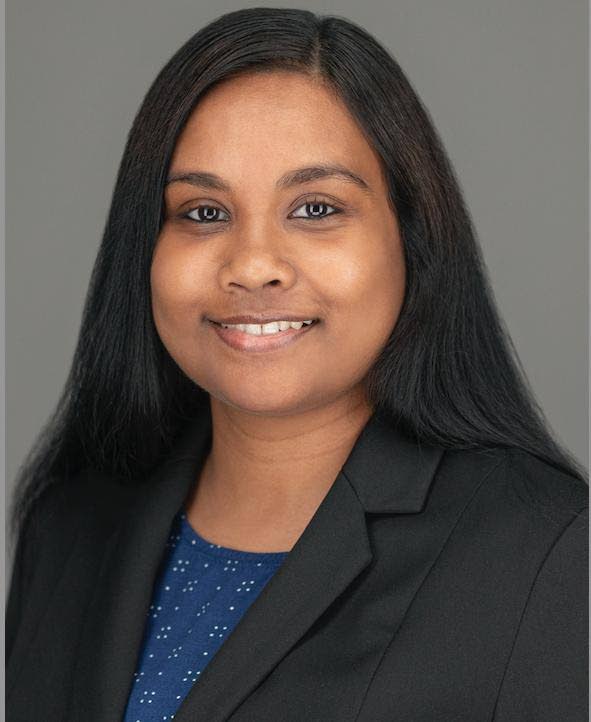
Kamira Maharaj, PhD is a scientist with a love for making complex cancer research easier to understand. With over a decade of oncology experience, from the lab bench to clinical trials, she is passionate about connecting research to real-world impact. She writes to spark curiosity, share insights, and keep the science human