


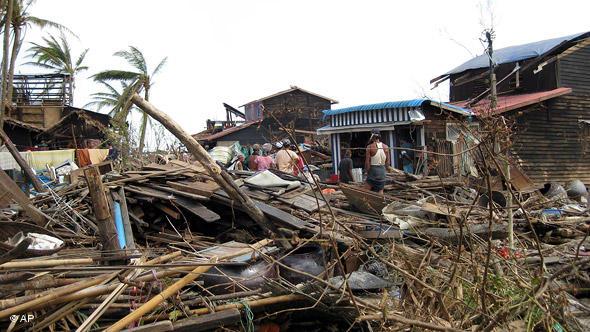
The Caribbean region, known for its stunning landscapes and vibrant ecosystems, faces significant environmental challenges that have been exacerbated by climate change, natural disasters, and human activity. Recent hurricanes, flooding, and biodiversity losses have underscored the vulnerability of these island nations, prompting urgent responses from local governments, international organizations, and community stakeholders. This article delves into the latest developments in recovery efforts across the Caribbean, highlighting initiatives aimed at rebuilding communities, restoring degraded ecosystems, and implementing sustainable practices to mitigate future risks. As the region navigates these complex challenges, understanding the current situation and the collaborative efforts underway is essential for fostering resilience and promoting sustainable development in the face of ongoing environmental threats.
Table of Contents
- Assessing the Impact of Recent Hurricanes on Caribbean Ecosystems
- Innovative Recovery Strategies: Community-led Initiatives in Disaster Relief
- Government Response and Policy Changes: Strengthening Environmental Resilience
- Building a Sustainable Future: Recommendations for Long-term Recovery Plans
- Final Thoughts
Assessing the Impact of Recent Hurricanes on Caribbean Ecosystems
The recent hurricanes that ravaged the Caribbean have left indelible marks on the region’s fragile ecosystems, prompting urgent assessments of the damage. Coral reefs, which serve as vital habitats and protect coastlines, suffered significant degradation, with reports indicating that up to 50% of coral cover was affected in some areas. The increased sedimentation and pollution from floodwaters are exacerbating the existing threats of climate change, leading to a dire need for comprehensive recovery strategies. Local governments, along with international NGOs, are spearheading initiatives aimed at restoring habitats, focusing on:
- Coral restoration projects to reestablish marine biodiversity.
- Mangrove replanting to strengthen coastal defenses and provide wildlife habitats.
- Wetland rehabilitation to improve water quality and create natural buffers against future storms.
The impacts of these hurricanes extend beyond immediate physical damage, influencing the long-term ecological balance. Wildlife has been severely affected, with species like sea turtles and rare bird populations facing increased threats. A collaborative approach integrating scientific research and community engagement is essential for revitalizing ecosystems. Recent studies highlight the importance of ecotourism and community-led conservation efforts in promoting resilience and sustainable practices. The following table details some key recovery measures being implemented across the region:
| Recovery Measure | Location | Expected Outcome |
|---|---|---|
| Coral Nursery Establishment | Cayman Islands | 25% Increase in Coral Cover |
| Mangrove Restoration | Puerto Rico | Enhanced Coastal Protection |
| Bird Habitat Restoration | Dominican Republic | Improved Biodiversity |
Innovative Recovery Strategies: Community-led Initiatives in Disaster Relief
In response to the urgent need for effective disaster relief in the Caribbean, numerous community-led initiatives have emerged as beacons of resilience. These grassroots movements are harnessing local knowledge and resources to facilitate recovery efforts that are not only swift but also culturally sensitive and inclusive. Communities have come together to implement innovative strategies that focus on rebuilding damaged infrastructure, restoring essential services, and revitalizing local economies. Some of the standout initiatives include:
- Community Workshops: Organizing workshops that teach skills for rebuilding homes and infrastructure.
- Local Resource Mobilization: Utilizing local materials and labor to support economic recovery while reducing dependency on external aid.
- Capacity Building: Training community leaders in disaster preparedness and response through educational programs.
Collaboration with local governments and NGOs has been a key feature of these initiatives, ensuring that recovery strategies align with the community’s unique needs. Data shows a significant increase in engagement from residents, with many taking active roles in planning and executing recovery programs. A recent survey highlighted the effectiveness of these initiatives:
| Initiative | Community Engaged (%) | Satisfaction Level (%) |
|---|---|---|
| Home Rebuilding | 85% | 90% |
| Local Economic Support | 78% | 85% |
| Environmental Restoration | 65% | 88% |
Government Response and Policy Changes: Strengthening Environmental Resilience
In response to the increasing frequency and intensity of environmental disasters, Caribbean governments are implementing a series of robust policy changes aimed at enhancing environmental resilience. These measures focus on multi-sectoral collaboration, ensuring that economic growth does not come at the expense of ecological sustainability. Key initiatives include:
- Strengthening building codes to withstand extreme weather events.
- Investing in renewable energy sources to reduce dependence on fossil fuels.
- Restoring and protecting coastal ecosystems, including mangroves and coral reefs.
- Developing early warning systems to improve disaster preparedness and response.
Furthermore, governments are actively engaging with regional organizations and international partners to secure funding and expertise for these initiatives. A recent report highlighted a coordinated effort to establish a Caribbean Climate Resilience Fund, which aims to pool financial resources for long-term recovery and infrastructure improvements. The following table summarizes projected funding allocations and their intended outcomes:
| Funding Source | Amount Allocated | Intended Outcome |
|---|---|---|
| Caribbean Development Bank | $50 million | Infrastructure rebuilding |
| World Bank | $100 million | Renewable energy investment |
| UN Environment Programme | $30 million | Ecosystem restoration |
Building a Sustainable Future: Recommendations for Long-term Recovery Plans
In the wake of recent environmental disasters, it is crucial for Caribbean nations to implement strategies that not only address immediate recovery efforts but also promote long-term sustainability. Building resilience against future events requires a multifaceted approach that includes strengthening local economies, fostering environmental education, and enhancing community engagement. Key recommendations include:
- Investment in Renewable Energy: Transitioning to solar, wind, and other renewable sources can reduce dependence on fossil fuels and mitigate climate impacts.
- Circular Economy Initiatives: Encouraging recycling and waste reduction can promote sustainability while creating job opportunities in green sectors.
- Infrastructure Resilience: Upgrading infrastructure to withstand natural disasters ensures safety and minimizes economic disruption.
Moreover, the role of education cannot be overstated in fostering a culture of sustainability. Implementing community workshops and school programs focused on environmental stewardship can instill a sense of responsibility in future generations. The table below outlines potential partnerships and their benefits for long-term recovery efforts:
| Partnership | Benefits |
|---|---|
| Local NGOs | Hands-on support for community recovery initiatives |
| Academic Institutions | Research and development of sustainable practices |
| Government Agencies | Policy support and funding for sustainable initiatives |
Final Thoughts
the Caribbean continues to face significant environmental challenges, exacerbated by climate change and various disasters. However, the resilience and determination of local communities, coupled with concerted recovery efforts from governments and international organizations, present a hopeful outlook for the region. As recovery initiatives evolve, it is essential to amplify support for sustainable practices that not only restore but also protect the Caribbean’s unique ecosystems. Ongoing updates on these recovery efforts will be crucial for stakeholders and residents alike, as the region strives to rebuild stronger and more sustainably. We will continue to monitor and report on these developments, highlighting success stories and areas in need of attention, as the Caribbean embarks on its journey toward recovery and environmental stewardship.