


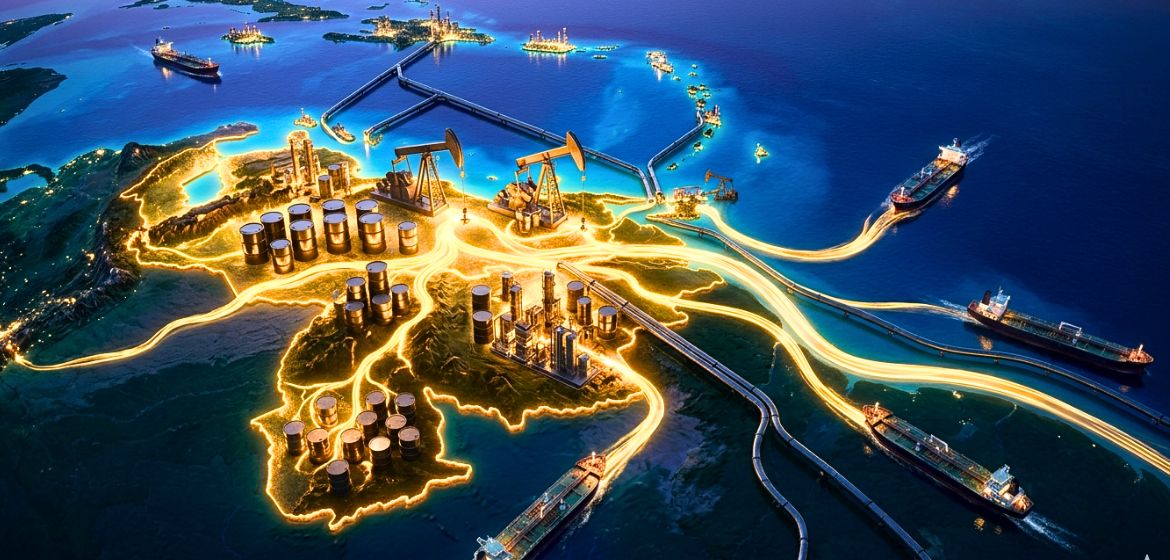
On January 3rd, 2026, the U.S. launched a bold operation in the Caribbean Basin, capturing Venezuelan leader Nicolás Maduro and signaling a major shift in the region’s power dynamics. This operation wasn’t just about cracking down on drug trafficking—it was about securing Venezuela’s vast oil reserves, a treasure that could reshape Caribbean energy independence and geopolitical relations. In this article, let’s find out why Venezuela’s oil is so valuable, what this means for the Caribbean, and whether other nations in the region, like Cuba, could be next on the U.S. radar.
This video examines the January 3, 2026, U.S. operation in Venezuela that led to Nicolás Maduro’s capture, arguing it was driven more by oil interests than anti-drug efforts. With Venezuela holding the world’s largest oil reserves, the move could reshape power across the Caribbean. The video highlights risks to regional energy security, especially if U.S. companies replace programs like PetroCaribe. It also raises concerns about growing U.S. influence, possible pressure on Cuba, and the broader impact on Caribbean sovereignty, economic stability, and geopolitical balance in the region.
Why Venezuela is the Ultimate Prize
Venezuela holds the world’s largest proven oil reserves, with 303 billion barrels, accounting for 17% of global supply. While much of the oil is extra-heavy and costly to produce, the reserves are still a major geopolitical asset. For the U.S., controlling or influencing Venezuela’s oil sector is more than about economic gain—it’s about reshaping power in the Caribbean Basin.
Former U.S. President Donald Trump was clear about his intentions in 2024, stating the U.S. “wants our oil back.” This sentiment underscores a broader strategy: regaining control over Venezuela’s vast oil wealth, and the potential ramifications for the Caribbean are profound.
The Caribbean Context: Beyond Venezuela
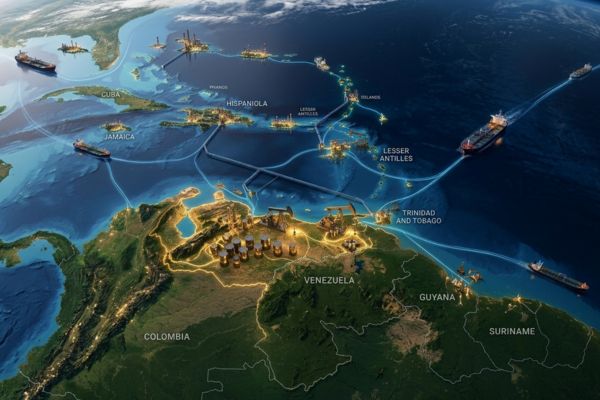
While the immediate focus is on Venezuela, the implications stretch across the entire Caribbean region. Throughout his presidency, Trump expressed interest in reasserting U.S. dominance over the Caribbean, even suggesting that Canada could become the 51st state and proposing U.S. control over the Panama Canal. If the U.S. succeeds in controlling Venezuela’s oil, it sets a dangerous precedent for other Caribbean nations with valuable resources, potentially making them vulnerable to similar interventions.
Venezuela’s Oil and the Caribbean’s Energy Independence
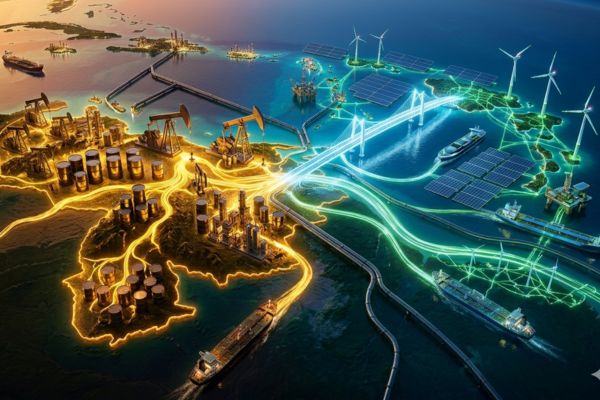
For decades, Venezuela has been the Caribbean’s energy lifeline through the PetroCaribe program, which provided preferential oil financing to 17 Caribbean nations. However, with U.S. companies now poised to dominate Venezuela’s oil industry, the regional energy balance is shifting.
Caribbean nations that relied on preferential oil terms may now face higher prices and less favorable terms. Cuba, in particular, which depends heavily on Venezuelan oil, faces significant uncertainty about the future of its energy supply. The changing energy landscape could lead to rising costs across the region, from transportation to electricity, creating new economic challenges.
The Drug War Excuse: Does It Add Up?
The official justification for the U.S. operation in Venezuela was to combat narco-terrorism. Yet, contradictions arise when examining U.S. actions in the region. Just weeks before capturing Maduro, Trump pardoned former Honduran President Juan Orlando Hernandez, convicted of trafficking cocaine. This raises questions about the true motivations behind the operation, suggesting that the drug war may be a convenient excuse to pursue broader geopolitical and economic objectives.
For Caribbean nations, this represents a troubling pattern—regional instability and drug trafficking are often used as justifications for interventions that ultimately serve larger economic and political ambitions.
Is Cuba Next? The Domino Effect
With Venezuela now under U.S. influence, Cuba—Venezuela’s closest ally—faces heightened vulnerability. While an invasion isn’t likely, other tactics, such as an energy squeeze or financial escalation, could be used to pressure Cuba. As Venezuela’s oil supply becomes more controlled by U.S. interests, Cuba’s energy security is increasingly at risk, especially given its dependence on Venezuelan oil.
Cuba also sits on potentially significant offshore oil reserves and maintains close ties with China and Russia—two countries the U.S. views as competitors in the region. The combination of these factors makes Cuba a key player in the next chapter of Caribbean geopolitics.
The Uncomfortable Questions for the Caribbean
As American oil companies prepare to dominate Venezuela’s oil sector, Caribbean nations face several critical questions. How will the loss of PetroCaribe affect energy costs and economic development across the region? Can small island nations maintain control over their energy policies, or will they be forced to comply with American corporate interests?
The biggest concern for Caribbean nations is whether resource reclamation will become the new justification for intervention, leaving them vulnerable to future U.S. influence.
What Happens Next in the Caribbean?
Venezuela’s oil industry is at a crossroads. It desperately needs expertise and capital, which could come from U.S. companies, but the price of this intervention may be a dramatic shift in the region’s power dynamics. For Caribbean nations, the question is whether they can maintain their sovereignty in the face of growing U.S. influence or if they’ll be forced into new alignments with larger powers like China or Russia to counterbalance U.S. control.
The Caribbean’s future now hinges on how nations in the region respond to this new geopolitical reality. The choices they make will determine whether the Caribbean remains independent or becomes more tightly woven into the U.S.’s sphere of influence.
Conclusion
The U.S. intervention in Venezuela’s oil sector is a game-changer for the Caribbean. Whether this is remembered as a security operation or a resource-driven power grab, one thing is clear: the region’s energy future is now uncertain, and the geopolitical landscape has shifted dramatically. Caribbean nations must now decide how to navigate this new reality—whether by forging new alliances or standing firm in defense of their sovereignty. The choices they make will determine the Caribbean’s future in an increasingly volatile global environment.
We’d love to hear your thoughts! Do you think the U.S. operation in Venezuela is really about the drug trade, or is it all about oil and power? What should Caribbean nations do to protect their sovereignty and energy independence? Drop your comments below!
Check out our other articles, share with your friends and family, and don’t forget to subscribe to our newsletter to stay updated!