


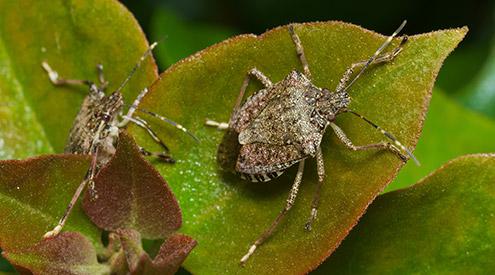
The Caribbean, renowned for its stunning biodiversity and vibrant ecosystems, faces an insidious challenge that threatens its delicate balance—invasive species. From the lush mangroves of the Bahamas to the coral reefs of Belize, the region’s natural habitats are under siege from non-native species that disrupt food chains, outcompete local flora and fauna, and degrade vital ecosystems. As the impacts of climate change further stress these environments, the need for effective management strategies has never been more urgent. In this article, we will explore the various invasive species wreaking havoc in the Caribbean, delve into the ecological and economic consequences they pose, and highlight innovative approaches being undertaken to protect these irreplaceable ecosystems. Join us on this journey as we shed light on the critical importance of safeguarding the Caribbean’s natural heritage for future generations.
Table of Contents
- Understanding the Impact of Invasive Species on Caribbean Biodiversity
- Effective Strategies for Prevention and Early Detection of Invasive Species
- Restoration Efforts: Rehabilitating Ecosystems Affected by Invasive Species
- Community Involvement: Empowering Locals in the Fight Against Invasive Species
- The Conclusion
Understanding the Impact of Invasive Species on Caribbean Biodiversity
The Caribbean region, known for its stunning biodiversity and unique ecosystems, faces significant threats from invasive species. These non-native organisms, introduced either accidentally or deliberately, can cause severe ecological and economic harm. Invasive species disrupt local habitats by outcompeting native flora and fauna for resources, leading to declines in indigenous populations. Some of the most notorious offenders include species such as the lionfish, which preys on native fish, and the black rat, which threatens seabird populations. Their rapid proliferation can alter food webs and lead to ecosystem imbalances, undermining the natural resilience of Caribbean environments.
In addressing the challenges posed by these invaders, it is essential to recognize the broader implications on local economies and cultural practices. The fishing and tourism industries, vital to many Caribbean nations, could suffer irreparable harm without swift action. Engaging local communities in monitoring and management efforts, alongside government initiatives, can have a profound impact. Effective strategies may include:
- Public education campaigns on the identification of invasive species
- Eradication programs targeting high-priority invaders
- Restoration projects for affected native habitats
To combat these threats, collaboration among scientists, policymakers, and residents is paramount. Empowering communities not only fosters stewardship of local ecosystems but also ensures a sustainable future for the Caribbean’s rich biodiversity.
Effective Strategies for Prevention and Early Detection of Invasive Species
To effectively combat the threat of invasive species in Caribbean ecosystems, proactive prevention strategies must be prioritized. Implementing public awareness campaigns can significantly inform local communities about the importance of preserving native species and the ecological risks posed by invasives. Community workshops and educational programs can focus on identifying invasive species and understanding their impacts. Additionally, developing strict import regulations for flora and fauna can help to minimize the introduction of potentially harmful species. This includes mandatory inspections and certifications for agricultural and ornamental plant materials entering the region.
Early detection plays a crucial role in managing invasive species before they become established. Establishing a robust monitoring system that involves local volunteers, scientists, and conservationists can facilitate timely identification of new invasives. This system should include:
- Regular surveys to assess biodiversity health
- Reporting networks where citizens can report sightings of invasive species
- Mobile apps designed for easy identification and reporting of suspicious organisms
Furthermore, leveraging technology and data analytics can enhance monitoring efforts. For example, utilizing drone surveillance and geographic information systems (GIS) can help track the spread and impact of invasive species in real-time, enabling more effective response strategies.
Restoration Efforts: Rehabilitating Ecosystems Affected by Invasive Species
Efforts to restore ecosystems ravaged by invasive species in the Caribbean involve a multifaceted approach aimed at rejuvenating native habitats and supporting biodiversity. Successful rehabilitation starts with assessing the extent of damage caused by invasives. This may include analyzing the decline of native plant and animal populations and the degradation of critical habitats. By identifying the most affected areas, conservationists can prioritize their actions, ensuring that resources are allocated efficiently. Key strategies include:
- Mechanical Removal: Physically removing invasive species to prevent further spread.
- Biological Control: Introducing natural predators or competitors to invasive species.
- Restoration Planting: Reintroducing native plants to restore ecological balance.
- Community Engagement: Involving local communities in conservation efforts for sustainable practices.
In addition to these strategies, monitoring and evaluating the effectiveness of restoration projects is vital to ensure long-term success. This can be achieved through a collaborative framework with local stakeholders, scientists, and conservation organizations. Establishing partnerships helps gather invaluable data necessary for understanding ecosystem recovery and enhances the resilience of native species. Moreover, implementing educational programs to raise awareness about the impact of invasive species and promoting best practices can further support these restoration efforts. Here’s a simple overview of key factors in successful rehabilitation:
| Key Factors | Importance |
|---|---|
| Baseline Data Collection | Essential for informed decision-making |
| Adaptive Management | Allows flexibility and responsiveness to challenges |
| Species Monitoring | Tracks recovery progress and guides future actions |
| Public Education | Empowers communities to participate in protection efforts |
Community Involvement: Empowering Locals in the Fight Against Invasive Species
Active community involvement is essential in the ongoing effort to combat invasive species threatening Caribbean ecosystems. Local residents possess invaluable knowledge about their environment, making their participation vital for effective action. Engaging the community through educational programs and volunteer events fosters a sense of responsibility and ownership over local natural resources. Community-driven initiatives can include:
- Workshops and Training Sessions: Empower locals with the skills needed to identify and manage invasive species.
- Cleanup Campaigns: Organize regular events to remove invasive species from local parks and waterways.
- Awareness Drives: Utilize social media and local media to spread information about the impact of invasive species.
Collaboration with schools, local businesses, and government organizations enhances the effectiveness of these initiatives. By creating partnerships, we can leverage resources and expertise, allowing for a more comprehensive approach to conservation. Additionally, tracking community progress through measurable goals can help maintain momentum. Below is an example of potential goals:
| Goal | Target Date | Responsible Parties |
|---|---|---|
| Host 3 Educational Workshops | June 2024 | Local NGOs, Schools |
| Cleansing 5 Local Parks | December 2024 | Community Volunteers |
| Develop a Social Media Campaign | March 2024 | Local Businesses, Governments |
The Conclusion
combating invasive species is a critical endeavor for the preservation of Caribbean ecosystems. As we’ve explored in this article, the introduction of non-native species can have devastating impacts on local biodiversity, economy, and the overall health of these unique environments. However, by taking proactive measures—through increased public awareness, effective management practices, and international collaboration—we can significantly mitigate these threats.
Each of us has a role to play in this fight: whether it’s supporting local conservation initiatives, advocating for sustainable tourism, or simply being mindful of the species we introduce to these delicate ecosystems. The Caribbean is a treasure trove of natural beauty, and it’s our collective responsibility to protect it for future generations.
Let’s keep the conversation going—share your thoughts and experiences with invasive species management in your community. Together, we can work towards a more sustainable and resilient Caribbean, ensuring that its rich biodiversity thrives for years to come. Thank you for reading, and stay tuned for our next post, where we’ll delve further into the incredible stories of local species and the efforts to safeguard them.