


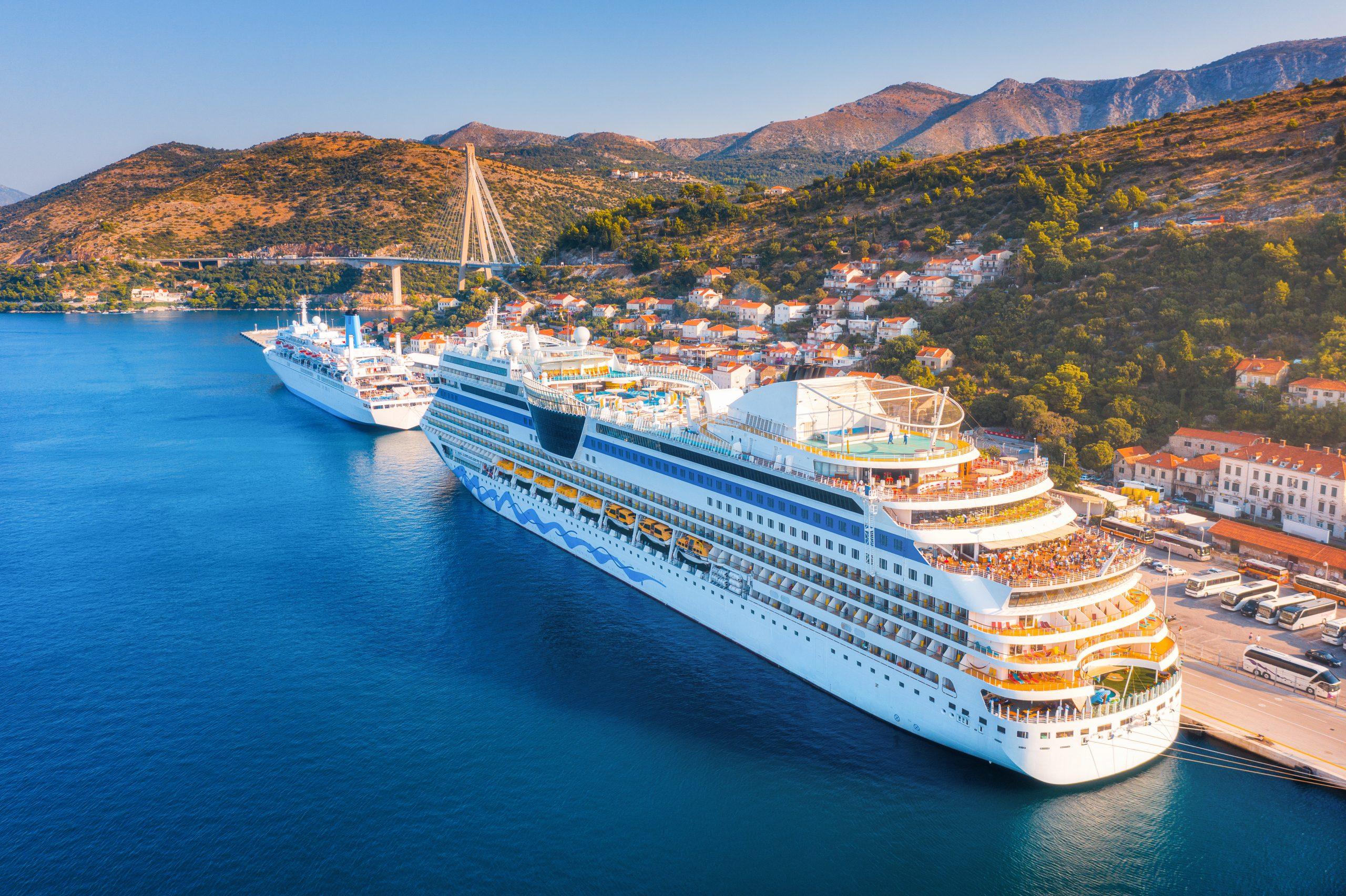
: A Delicate Balance
The Caribbean, with its stunning turquoise waters, vibrant coral reefs, and lush landscapes, is a renowned destination for cruise tourism. Each year, millions of tourists flock to its shores aboard massive cruise ships, drawn by promises of adventure, relaxation, and cultural immersion. However, this booming industry presents a paradox: while it brings significant economic benefits to local communities, it also poses serious threats to the fragile ecosystems that underpin the region’s allure. In this blog post, we will delve into the complex relationship between cruise tourism and the Caribbean environment, exploring both the positive impacts and the critical challenges that arise from this massive influx of visitors. By examining various studies, expert opinions, and on-the-ground observations, we aim to provide a comprehensive assessment of how cruise tourism is shaping the Caribbean’s ecological landscape, and what steps can be taken to safeguard its natural beauty for generations to come. Join us on this journey as we navigate the intricate waters of sustainability and conservation in one of the world’s most enchanting regions.
Table of Contents
- Understanding the Ecological Footprint of Cruise Tourism in the Caribbean
- Evaluating the Impact on Marine Biodiversity and Coastal Ecosystems
- Sustainable Practices for Minimizing Environmental Damage
- Policy Recommendations for Balancing Tourism and Conservation Efforts
- Wrapping Up
Understanding the Ecological Footprint of Cruise Tourism in the Caribbean
The ecological footprint of cruise tourism in the Caribbean is vast and multifaceted, impacting both the environment and local communities. To fully understand its implications, we must consider various factors, including resource consumption, waste production, and habitat disruption. Cruise ships contribute to air pollution through emissions, water contamination from wastewater discharge, and the depletion of natural resources such as fresh water and marine life. The influx of cruise passengers often leads to increased traffic and infrastructure development, which can further strain local ecosystems. The delicate balance of coastal environments, including coral reefs and mangroves, is particularly susceptible to the disturbances introduced by large-scale tourism operations.
Additionally, the social dynamics of cruise tourism play a crucial role in shaping ecological outcomes. Communities reliant on cruise tourism may experience economic growth, yet this often comes at the cost of environmental degradation. The following factors highlight the dichotomy of benefits and challenges faced by Caribbean nations:
- Economic Benefits: Job creation, increased local spending, and tourism revenue.
- Environmental Challenges: Habitat destruction, coastline erosion, and species displacement.
- Social Impacts: Cultural commodification and shifts in local lifestyles.
- Regulatory Needs: The necessity for stronger policies to manage environmental impacts effectively.
Evaluating the Impact on Marine Biodiversity and Coastal Ecosystems
The surge in cruise tourism has transformed the Caribbean into a bustling hotspot for travelers, yet this popularity comes at a cost to its delicate marine biodiversity and coastal ecosystems. Coral reefs, that provide a vital habitat for countless marine species, are particularly vulnerable to the effects of increased human activity. Key concerns include anchor damage, pollution from wastewater, and the introduction of invasive species. These factors contribute to the degradation of reef systems, which serve not only as the backbone of marine life but also as a buffer that protects coastlines from erosion. Addressing these impacts necessitates a holistic approach that prioritizes conservation and responsible tourism initiatives.
Furthermore, the socioeconomic implications of cruise tourism cannot be ignored, as local communities often rely on marine resources for their livelihoods. The increase in foot traffic from cruise passengers can disrupt fishing practices and overexploit local marine resources. In addition, with heightened interactions between tourists and wildlife, the potential for species disturbance and habitat destruction escalates. Strategic measures must be implemented, such as establishing protected marine areas and enforcing sustainable tourism regulations, to ensure that the dual objectives of tourism growth and ecological preservation are met.
| Impact Factor | Description |
|---|---|
| Coral Reef Damage | Anchor harm and physical disturbances from boats. |
| Pollution | Wastewater and litter from cruise vessels affecting water quality. |
| Invasive Species | Introduction of non-native species compromising local biodiversity. |
| Overfishing | Increased competition for marine resources leads to unsustainable practices. |
Sustainable Practices for Minimizing Environmental Damage
As the cruise tourism industry grows in popularity, implementing sustainable practices becomes crucial to safeguarding Caribbean ecosystems. One effective strategy is to enhance waste management systems aboard cruise ships, ensuring that waste is treated before being discharged into the ocean. This can include methods such as advanced wastewater treatment plants and recycling programs that significantly reduce the impact of waste on marine habitats. Additionally, cruise lines can collaborate with local communities to develop eco-friendly shore excursions that prioritize environmental education and conservation, encouraging tourists to respect natural resources.
Another vital aspect is the establishment of marine protected areas (MPAs) where cruise activities are monitored and regulated. By limiting tourism in sensitive zones, these areas can help maintain biodiversity and provide critical habitats for endangered species. Cruise companies can also use shore power technology, allowing ships to turn off their engines while at port and thereby reducing air pollution. To foster transparency and accountability, these organizations should adhere to international standards for environmental practices, ensuring their operations not only benefit their business but also contribute positively to the Caribbean ecosystem.
Policy Recommendations for Balancing Tourism and Conservation Efforts
Effective policy recommendations are essential for harmonizing the needs of the cruise tourism industry with the imperative of preserving the Caribbean’s unique ecosystems. It is crucial for governments and stakeholders to adopt a multi-stakeholder approach, involving local communities, environmental organizations, and the tourism sector in the decision-making process. Key strategies may include:
- Implementing strict regulatory frameworks that govern cruise ship operations, including limits on discharge and waste management practices.
- Promoting eco-certification for cruise lines that demonstrate a commitment to sustainability.
- Establishing protected marine areas to safeguard crucial habitats from potential ecological damage caused by increased tourism activity.
- Enhancing community engagement by involving local populations in tourism planning and ensuring they benefit economically from tourism initiatives.
Additionally, strengthening public-private partnerships can lead to successful conservation outcomes. By creating incentives for cruise companies that prioritize eco-friendly practices, policymakers can encourage a shift towards sustainable tourism. Consideration of the following actions can further enhance conservation efforts:
| Action Item | Expected Outcome |
|---|---|
| Conduct regular environmental impact assessments | Early detection of potential ecological harm |
| Implement visitor caps on sensitive sites | Reduction of congestion and habitat degradation |
| Promote educational programs for tourists | Increased awareness of conservation efforts |
Wrapping Up
As we conclude our exploration into the multifaceted effects of cruise tourism on Caribbean ecosystems, it becomes increasingly clear that a delicate balance must be struck. The allure of azure waters and vibrant cultures comes at a cost, and understanding the environmental impact of this booming industry is essential for both preservation and responsible tourism.
For stakeholders, from local governments to cruise lines and travelers, prioritizing sustainability is not just an option—it’s an imperative. The integration of eco-friendly practices, conservation efforts, and community involvement can pave the way toward a future where cruise tourism thrives without compromising the natural beauty and biodiversity that make the Caribbean so captivating.
As conscientious travelers, we all have a role to play. By being informed and advocating for sustainable options, we can ensure that our love for the sea continues to coexist harmoniously with its pristine ecosystems. Let’s champion responsible tourism that protects the vibrant marine life, lush landscapes, and rich cultural heritage that make the Caribbean truly unique. Together, we can help steer the cruise industry towards a more sustainable horizon, ensuring that future generations will be able to cherish these islands just as we do today.
Thank you for embarking on this journey with us. Stay informed, stay engaged, and let’s make conscious choices that will preserve the Caribbean for years to come.