


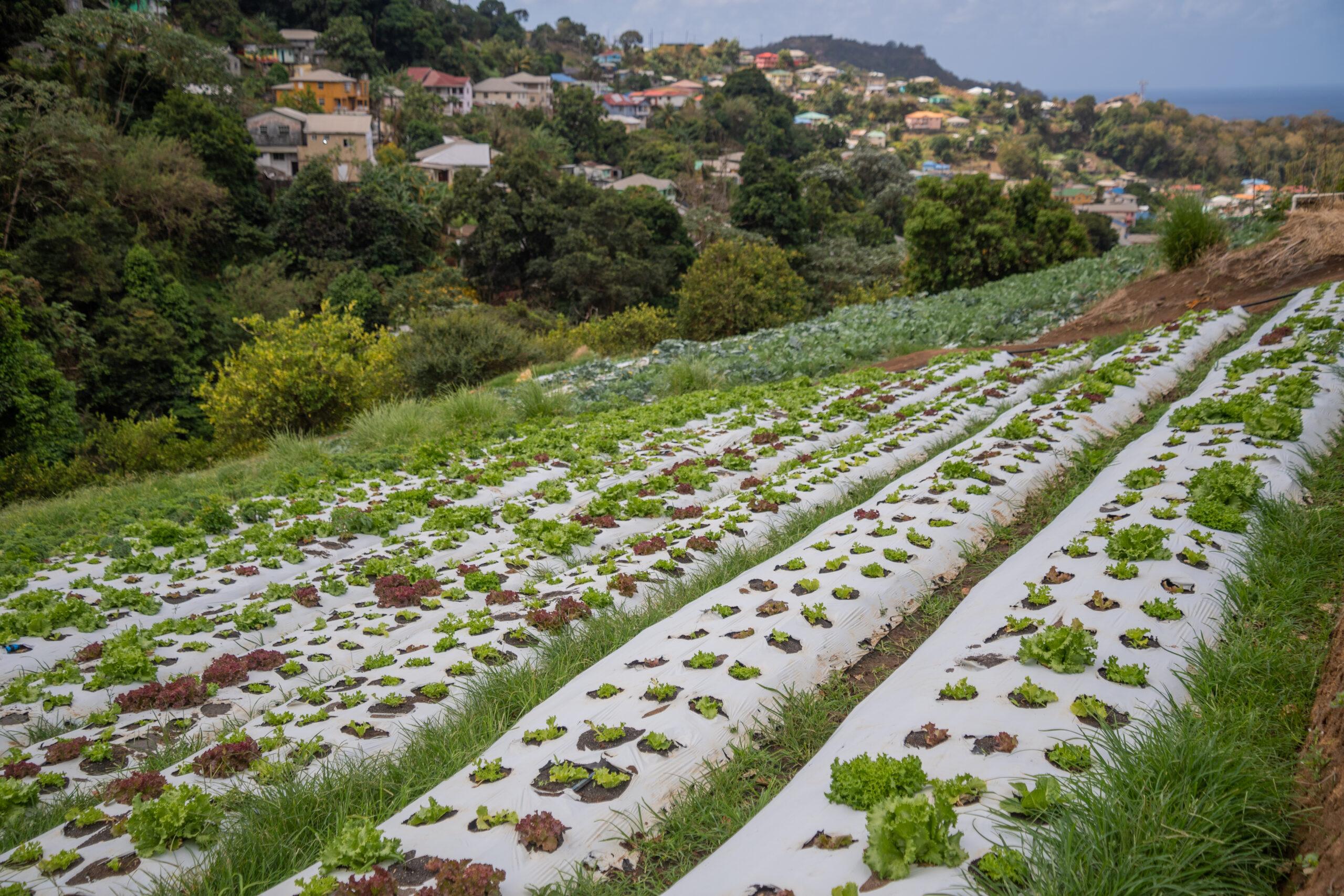
The Caribbean, renowned for its stunning landscapes and rich cultural heritage, is also a region with vast agricultural and maritime resources. Yet, despite its potential, the sector faces significant challenges, including climate change, resource depletion, and limited access to modern tools and techniques. In response to these pressing issues, an array of technological advancements is emerging, offering new pathways to enhance productivity and sustainability in Caribbean agriculture and fisheries. From precision farming and aquaculture innovations to mobile apps for market access and data analytics, technology is poised to transform these traditional industries. This article explores the latest developments and initiatives aimed at harnessing technology to boost economic growth, ensure food security, and empower local communities across the Caribbean. As stakeholders from governments, private sectors, and academic institutions come together, the integration of tech solutions could usher in a new era of resilience and prosperity for the region’s agricultural and fishery sectors.
Table of Contents
- Harnessing Precision Agriculture to Enhance Crop Yields in the Caribbean
- Innovative Aquaculture Techniques for Sustainable Fisheries Development
- Integrating Data Analytics in Agricultural and Fisheries Management
- Empowering Farmers and Fishermen through Accessible Technology Solutions
- To Conclude
Harnessing Precision Agriculture to Enhance Crop Yields in the Caribbean
In the Caribbean, the integration of precision agriculture technologies is revolutionizing traditional farming practices, enabling farmers to maximize their output and sustainably manage their resources. By employing tools such as satellite imagery, drone surveillance, and soil sensors, agricultural stakeholders can gather critical data to monitor crop health, optimize irrigation, and enhance fertilizer application. These innovations ensure that farmers not only increase their yields but also minimize input costs, which is essential for the sustainability of the region’s agriculture, particularly as it faces the challenges of climate change and unpredictable weather patterns.
Moreover, precision agriculture fosters a more targeted approach to pest management and disease control. Through real-time data analytics and decision-making algorithms, farmers can identify pest infestations and health issues before they escalate. The following factors are central to the successful implementation of these technologies:
- Data Analysis: Utilizing software that interprets information gathered from various sources.
- Training Programs: Establishing educational initiatives helps farmers understand new technologies.
- Government Support: Funding and resources can encourage technology adoption across farms.
As these advanced methodologies gain traction, collaboration between technology providers and local agricultural organizations will be essential. The goal is to create a sustainable agricultural ecosystem that enhances food security while addressing environmental concerns. The urgent need for improved practices has prompted several Caribbean nations to invest in research and development programs that promote the adoption of precision farming technologies.
Innovative Aquaculture Techniques for Sustainable Fisheries Development
Innovative aquaculture techniques are rapidly transforming the landscape of sustainable fisheries development across the Caribbean. These advancements not only enhance fish production but also minimize environmental impacts, paving the way for a resilient industry. Some of the promising methods include:
- Recirculating Aquaculture Systems (RAS): This technology allows for efficient water usage and reduces waste, making it ideal for urban aquaculture settings.
- Aquaponics: Integrating fish farming with plant cultivation, this technique promotes resource efficiency and can provide a dual source of income.
- Genetic Selective Breeding: Breeding programs focused on creating disease-resistant and faster-growing fish species can enhance yield and sustainability.
To better understand the application and impact of these techniques, it is essential to analyze their potential contributions to local economies and ecosystems. Here’s a simple comparison table highlighting various innovative aquaculture systems and their benefits:
| Aquaculture Technique | Benefits |
|---|---|
| Recirculating Systems | Conserves water, reduces pollution |
| Aquaponics | Dual production, improves soil health |
| Genetic Breeding | Higher resilience, faster growth rates |
These techniques are expected to revolutionize Caribbean fisheries, ensuring food security while promoting ecological sustainability. As stakeholders invest in such technologies, the potential for growth in both agricultural and fisheries sectors remains promising.
Integrating Data Analytics in Agricultural and Fisheries Management
In recent years, the Caribbean has seen a transformative shift in how data analytics is utilized within agricultural and fisheries management. By harnessing advanced analytics tools, stakeholders are now able to make informed decisions based on real-time data, enhancing productivity and sustainability across the sector. Key benefits of integrating data analytics include:
- Precision Farming: Targeting resources such as water, fertilizers, and pesticides based on data-driven insights, leading to reduced waste and increased yields.
- Predictive Analytics: Utilizing historical data to anticipate crop yields, pest outbreaks, and market demand, allowing farmers to make proactive decisions.
- Resource Optimization: Streamlining fishing efforts through data on fish populations and migratory patterns, ensuring sustainable catch levels while preserving marine biodiversity.
Furthermore, the advent of user-friendly software and platforms empowers local farmers and fishermen by providing them with actionable insights previously accessible only to larger enterprises. Emerging trends leveraging data analytics include:
- Blockchain Technology: Enhancing traceability and accountability in supply chains, thereby ensuring food safety and boosting consumer confidence.
- Geographic Information Systems (GIS): Mapping agricultural and fishery resources to optimize land use and fishing zones.
- Mobile Apps: Offering real-time data access and communication tools for farmers and fishermen, facilitating better market access and production planning.
| Technology | Application | Impact |
|---|---|---|
| Data Analytics | Crop yield prediction | Informed planting decisions |
| GIS | Land mapping | Effective resource use |
| Mobile Technology | Real-time data access | Increased market reach |
Empowering Farmers and Fishermen through Accessible Technology Solutions
Advancements in technology are revolutionizing agricultural practices and fishing methodologies across the Caribbean. Farmers and fishermen are now able to leverage user-friendly applications and innovative tools designed to enhance productivity and sustainability. By utilizing solutions such as GPS mapping, mobile weather apps, and e-commerce platforms, these primary producers can make informed decisions that lead to higher yields and better market access. Examples of technology integration include:
- Precision Agriculture: Utilizing drones and sensors for soil analysis and crop monitoring.
- Smart Fishing Apps: Providing real-time data on fish stocks and optimal fishing locations.
- Market Access Platforms: Connecting local farmers and fishermen directly with consumers to maximize profits.
In collaboration with local governments and non-governmental organizations, training programs are being implemented to ensure that all stakeholders are equipped to harness these digital solutions effectively. Workshops highlight how technology can lead to better resource management, reduced environmental impact, and increased resilience against climate change. A recent study showed that:
| Technology Solution | Impact on Farmers | Impact on Fishermen |
|---|---|---|
| Mobile Weather Apps | Improved planting and harvesting schedules | Enhanced safety during fishing trips |
| Drones | Accurate monitoring of crop health | Effective mapping of fishing grounds |
| E-commerce Platforms | Increased sales opportunities | Direct access to local and international markets |
To Conclude
the integration of technological advancements into Caribbean agriculture and fisheries presents a transformative opportunity to enhance productivity, sustainability, and resilience in these critical sectors. As the region grapples with climate change challenges and the need for food security, leveraging smart farming techniques, data analytics, and innovative aquaculture practices can pave the way for a brighter, more sustainable future. By fostering partnerships between governments, tech companies, and local communities, the Caribbean can harness the full potential of technology to revitalize its agricultural and fishing industries. This commitment to innovation not only promises economic growth but also ensures the long-term viability of the region’s natural resources. Moving forward, continued investment and support for these initiatives will be vital in securing a prosperous and sustainable future for Caribbean agriculture and fisheries.