


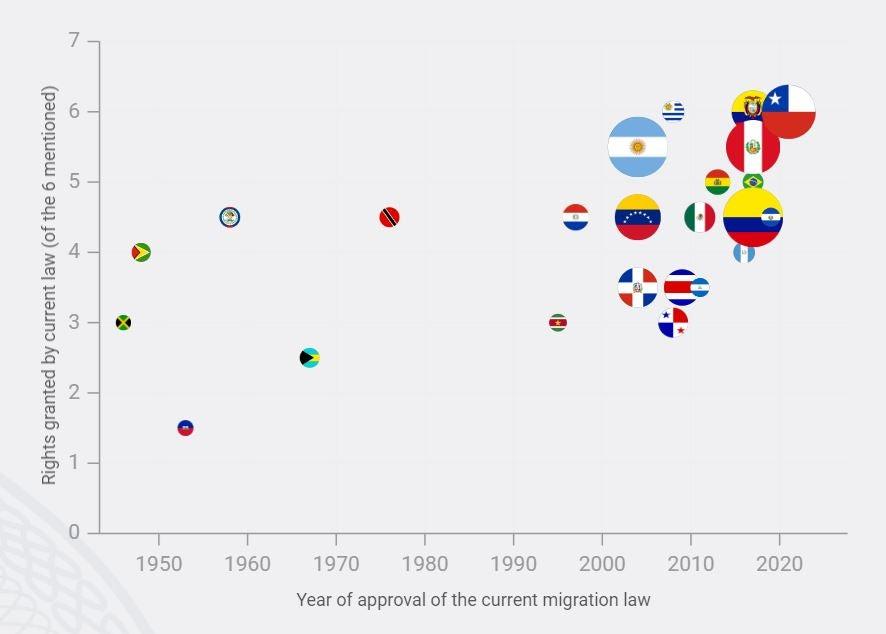
As the Caribbean region grapples with the dual challenges of economic development and social cohesion, immigration policies have emerged as a critical focus of debate among policymakers, scholars, and community leaders. With a rich tapestry of cultures and a history marked by migration, the Caribbean faces unique circumstances that require a thoughtful approach to immigration. This article explores the current landscape of immigration policies across Caribbean nations, highlights the implications for regional integration and labor markets, and examines potential pathways for future reforms. As countries in the Caribbean seek to balance national interests with the benefits of a diverse population, understanding the evolving immigration framework will be essential to navigating the complexities of the future. Join us as we delve into the critical issues shaping Caribbean immigration policies and their impact on the region’s development.
Table of Contents
- Analyzing Current Trends in Caribbean Immigration Policies
- Evaluating the Impact of Economic Factors on Immigration Decisions
- Strategies for Enhancing Regional Cooperation in Immigration Management
- Proposing Comprehensive Reforms for Sustainable Immigration Solutions
- In Summary
Analyzing Current Trends in Caribbean Immigration Policies
As Caribbean nations navigate the complexities of immigration, a series of current trends are reshaping policies across the region. Many governments are increasingly acknowledging the economic benefits of a more open immigration framework. The focus has shifted towards attracting skilled labor to boost local economies, resulting in a more streamlined approach to visa regulations and residency permits. A notable trend is the rise of reciprocal agreements among Caribbean nations, aimed at facilitating easier movement for citizens of the region. Key aspects include:
- Workforce Expansion: Initiatives to attract professionals in technology, healthcare, and tourism.
- Family Reunification: Policies that simplify processes for families to reunite.
- Climate Refugees: Provisions for individuals displaced by climate change, allowing them to seek refuge in more stable areas.
Moreover, regional collaboration has gained momentum, with countries participating in multilateral discussions to address shared challenges and opportunities in immigration. This includes tackling issues such as human trafficking and undocumented migration. Recent data highlights the urgency for more cohesive policies as countries experience fluctuating migration patterns. The following table summarizes the projected changes in immigration policy focus across selected Caribbean nations:
| Country | Policy Focus (2023-2025) | Expected Impact |
|---|---|---|
| Jamaica | Skilled Worker Attraction | Increased workforce diversity |
| Barbados | Remote Work Visas | Boost in tourism and local economy |
| Trinidad & Tobago | Family Reunification | Enhanced community ties |
Evaluating the Impact of Economic Factors on Immigration Decisions
Economic factors play a pivotal role in shaping immigration decisions within the Caribbean context. As individuals and families seek better opportunities abroad, the dynamics of employment rates, wages, and cost of living significantly influence their choices. For instance, many migrants are drawn to countries that offer higher salaries and job security compared to their home nations. In addition, fluctuating economic conditions, such as inflation and currency strength, can alter the attractiveness of potential destinations. This necessitates a closer look at how policymakers in Caribbean countries can adapt to these trends to either retain their citizens or manage the influx of returning nationals.
Moreover, the role of remittances cannot be overstated in this equation. Many Caribbean economies heavily depend on money sent back home by those who emigrated for work. This financial lifeline affects local spending power and can impact economic stability. When evaluating the impact of these economic factors, it’s crucial to recognize the indirect effects they have on immigration policies. Policymakers must consider:
- Job Creation: Enhancing local employment opportunities to reduce the outflow of skilled workers.
- Investment in Education: Increasing educational opportunities that align with market needs to empower citizens professionally.
- Remittance Usage: Developing frameworks to maximize the benefits of incoming remittances for local development.
| Economic Factor | Impact on Immigration |
|---|---|
| Wage Discrepancies | Higher wages abroad encourage emigration. |
| Cost of Living | Affects the quality of life and decisions to migrate. |
| Employment Opportunities | Availability of jobs can retain or attract migrants. |
Strategies for Enhancing Regional Cooperation in Immigration Management
Regional cooperation in immigration management can significantly improve the effectiveness of policies and practices across the Caribbean. By fostering collaborative frameworks, member states can share best practices, expedite processing times, and enhance border security. Key strategies to achieve this include:
- Establishment of Joint Task Forces: Collaborative teams can tackle shared immigration challenges, such as human trafficking and illegal border crossings.
- Data Sharing Initiatives: Implementing a centralized data system can facilitate the exchange of information on immigration applications, status updates, and enforcement actions.
- Cross-Border Training Programs: Regular training sessions for immigration officers across different jurisdictions can standardize procedures and foster a unified approach.
Additionally, creating a framework for mutual recognition of immigration statuses can benefit both migrants and member states. This can involve:
- Streamlining Visa Processes: Simplifying visa applications for professional cross-border workers can enhance regional economic development.
- Developing Bilateral Agreements: Agreements between countries can expedite processing for specific nationalities and encourage skilled migration.
- Establishing Refugee Support Networks: Creating a framework for assisting refugees can provide safety and stability while promoting intergovernmental cooperation.
| Strategy | Description |
|---|---|
| Joint Task Forces | To combat common immigration issues through collaborative efforts. |
| Centralized Data System | Facilitates efficient data sharing across countries. |
| Bilateral Agreements | Special arrangements to ease visa requirements. |
Proposing Comprehensive Reforms for Sustainable Immigration Solutions
The Caribbean region stands at a critical juncture, necessitating the implementation of comprehensive reforms in immigration policies to address the multifaceted challenges faced by member states. To achieve sustainable immigration solutions, the following approaches should be prioritized:
- Streamlined Processes: Simplifying visa applications and residency permits to encourage skilled labor migration while curbing irregular migration.
- Regional Cooperation: Establishing collaborative frameworks among Caribbean nations to share resources and information, thereby enhancing border security and migrant management.
- Human Rights Protections: Instituting guarantees for the rights of immigrants, ensuring they receive protection against exploitation and abuse.
- Integration Programs: Developing initiatives that support the assimilation of immigrants into local communities, fostering social cohesion and economic contributions.
Infrastructure enhancing migration management is also crucial. Policymakers should consider creating dedicated immigration offices equipped with technology for efficient processing. Additionally, it is advisable to promote public awareness campaigns that educate citizens on the benefits of immigration and cultural diversity. A comparative analysis of current immigration policies can be visualized in the table below:
| Country | Current Policy Highlights | Proposed Changes |
|---|---|---|
| Jamaica | Work permits are limited; focus on highly skilled workers | Expand visa categories to include seasonal workers |
| Barbados | Stringent entry requirements | Simplify processes for long-term residency |
| Trinidad and Tobago | Family reunification allowed, but slow processing | Enhance family reunification timelines |
In Summary
As we look ahead to the evolving landscape of Caribbean immigration policies, it is clear that the region stands at a crossroads. The need for a balanced approach that fosters economic growth while ensuring social cohesion is more pressing than ever. Policymakers must prioritize collaboration, incorporating the diverse voices and experiences of Caribbean communities into their frameworks. With globalization and demographic changes reshaping the dialog on migration, the Caribbean has the opportunity to set a forward-thinking precedent. By embracing innovative strategies and inclusive practices, the region can navigate these complexities and forge a sustainable future for all its inhabitants.
As we continue to monitor these developments, it is imperative that stakeholders remain informed and engaged. The choices made today will not only impact present generations but will also resonate throughout the Caribbean for years to come.