


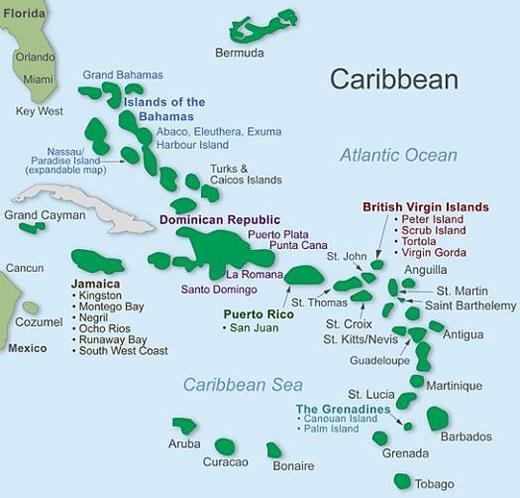
As global migration continues to shape the cultural landscapes of nations, the Caribbean stands out as a unique tapestry woven from diverse immigrant threads. Known for its breathtaking natural beauty and rich historical narratives, the region is also home to vibrant communities that reflect a myriad of cultures, languages, and traditions. This article delves into the Caribbean’s most dynamic destinations, spotlighting the immigrant populations that enrich local life and contribute to the economic and social fabric. From bustling urban centers to tranquil coastal havens, we will explore how these communities not only preserve their unique identities but also foster cultural exchange, contributing to the Caribbean’s allure as a travel destination. Join us on this journey to discover the stories behind the islands and the remarkable people who call them home.
Table of Contents
- Exploring Cultural Heritage in Caribbean Immigrant Communities
- Culinary Experiences That Define Caribbean Diversity
- Navigating the Social Landscape of Caribbean Immigrant Neighborhoods
- Sustainable Tourism: Engaging with Local Economies and Communities
- Insights and Conclusions
Exploring Cultural Heritage in Caribbean Immigrant Communities
The Caribbean is a rich tapestry of cultures, with immigrant communities serving as vital threads that weave together the social fabric of numerous destinations. These communities not only preserve the identities and traditions of their homelands but also enrich the local culture with unique customs, festivals, and culinary delights. For instance, in cities like Miami and Brooklyn, the influence of Caribbean immigrants can be observed through vibrant street fairs, art exhibits, and lively music scenes that celebrate Caribbean heritage. Among these cultural expressions, traditional festivals like the Carnival and Junkanoo stand out, drawing crowds and creating a sense of unity among diverse populations.
Moreover, culinary experiences in these communities reflect a harmonious blend of flavors that tell stories of migration and adaptation. Restaurants and food stalls showcase an array of dishes that highlight the spices and ingredients unique to Caribbean cuisine. Common offerings include mouthwatering curried goat, jerk chicken, and the ever-popular rice and peas. As we delve into these communities, it becomes clear that their contributions extend beyond mere food and festivities; they foster a sense of belonging and pride that resonates through generations. Below is a brief overview of some key destinations with vibrant Caribbean immigrant communities:
| Destination | Prominent Community | Cultural Highlight |
|---|---|---|
| Miami | Cuban | Little Havana’s Calle Ocho Festival |
| Brooklyn | Jamaican | West Indian Day Parade |
| Toronto | Haitian | Carifiesta |
| London | Trinidadian | Notting Hill Carnival |
Culinary Experiences That Define Caribbean Diversity
The Caribbean is a tapestry of flavors woven from the rich
cultural threads of its diverse immigrant communities. Each community has brought forth its own culinary traditions, creating a vibrant and multifaceted food scene that attracts food lovers from around the globe. In locations such as Miami, New York City, and Toronto, traditional dishes blend with modern influences, resulting in gastronomic experiences that are both authentic and innovative. Notable culinary contributions include:
- Jerk Chicken: Originating from Jamaica, this spicy grilled meat has earned a reputation worldwide.
- Roti: A beloved flatbread dish from Trinidad and Tobago, often filled with curried vegetables or meats.
- Pâté: A savory pastry from Haiti, stuffed with flavorful fillings that reflect its cultural heritage.
- Conch Fritters: Popular in the Bahamas, these seafood delights showcase local ingredients and love for the ocean.
Culinary festivals and street food markets throughout the Caribbean are further testimony to the region’s rich diversity. Events such as the Miami Spice or the Caribbean Food Festival serve not just as a platform for satisfying appetites but also as celebrations of heritage where traditional recipes coexist with contemporary flair. A deep appreciation for local ingredients marries creativity and tradition, evident in dishes like:
| Dish | Origin | Key Ingredients |
|---|---|---|
| Callaloo | Trinidad | Amaranth leaves, okra, coconut milk |
| Pastelles | Puerto Rico | Corn dough, meat, olives |
| Fish Escovitch | Jamaica | Fried fish, pickled vegetables |
Navigating the Social Landscape of Caribbean Immigrant Neighborhoods
Caribbean immigrant neighborhoods serve as vibrant hubs where cultural diversity thrives, providing a unique tapestry of traditions, languages, and culinary delights. Residents often engage in communal activities that celebrate their heritage, fostering a sense of belonging while bridging the gap between generations. Within these neighborhoods, you can find a myriad of cultural festivals and events that not only honor the past but also invite the wider community to partake in the celebration. Notable features of these neighborhoods include:
- Cultural Festivals: Annual events celebrating Caribbean music, food, and art.
- Local Markets: Places where immigrant vendors sell traditional goods, spices, and crafts.
- Community Centers: Institutions that provide support services, classes, and social programs.
- Religious Institutions: Churches and temples that serve as spiritual hubs and community gathering points.
Despite the challenges that immigrant communities face, such as language barriers and socio-economic hurdles, they often establish robust support networks that enhance resilience and social cohesion. These neighborhoods are characterized by a strong sense of solidarity, as residents come together to advocate for their rights and improve their living conditions. The following table highlights some of the key characteristics found in Caribbean immigrant neighborhoods:
| Characteristic | Description |
|---|---|
| Multi-Ethnic Cohorts | Diverse immigrant backgrounds enriching cultural exchange. |
| Community Leadership | Active leaders addressing local issues and uniting residents. |
| Vibrant Economies | Small businesses contributing to the local economy. |
| Accessible Resources | Organizations providing legal, educational, and health services. |
Sustainable Tourism: Engaging with Local Economies and Communities
Travelers seeking to immerse themselves in the rich tapestry of Caribbean destinations often overlook the integral role that vibrant immigrant communities play in shaping local cultures and economies. By engaging meaningfully with these communities, tourists can experience authentic cultural exchanges that benefit both visitors and residents. This interaction supports small businesses, encourages local artisans, and fosters a sense of pride among community members, ensuring that the economic benefits of tourism are felt far beyond the confines of tourist resorts. Examples of such engagement include:
- Participating in local cooking classes to learn about traditional recipes and culinary techniques.
- Shopping at farmers’ markets where local produce and crafts are sold directly by the community.
- Joining guided tours led by local residents who share their personal stories and insights about the area.
Moreover, the establishment of community-led initiatives fosters resilience and sustainability in these regions. By focusing on education and advocacy, local leaders can harness tourism as a tool for social and economic empowerment. Travelers can also contribute by partaking in responsible tourism practices that prioritize respect for indigenous cultures and support for community development. Consider the following table highlighting some popular tourist sites and their respective community initiatives:
| Destination | Community Initiative |
|---|---|
| Jamaica | Reggae music workshops promoting local artists |
| Dominican Republic | Eco-tourism programs engaging locals in conservation |
| Trinidad and Tobago | Cultural festivals showcasing immigrant heritage |
Insights and Conclusions
As we conclude our exploration of Caribbean destinations enriched by vibrant immigrant communities, it becomes evident that these locales offer more than just stunning beaches and tropical landscapes. They serve as living tapestries woven from diverse cultural threads, each contributing to the unique social and economic fabric of the region. The resilience and creativity of immigrant populations not only enhance local traditions but also foster a sense of global interconnectedness, enriching the Caribbean experience for both residents and visitors alike.
In an era where cultural exchange and diversity are more important than ever, these destinations remind us of the value of unity in diversity. From the bustling markets of Miami’s Little Havana to the vibrant festivals in San Juan, each community invites us to celebrate their heritage while building bridges across cultures. As travelers seek out authentic experiences, the Caribbean stands poised as a beacon of multicultural vibrancy, offering opportunities to engage, learn, and appreciate the richness that immigrant communities bring to the region.
We encourage readers to delve deeper into the stories behind these communities and consider visiting the Caribbean with an open heart and mind. Embracing the diversity found within these islands not only enriches personal travel experiences but also contributes to the continuing narrative of cultural understanding and appreciation in our increasingly interconnected world.