


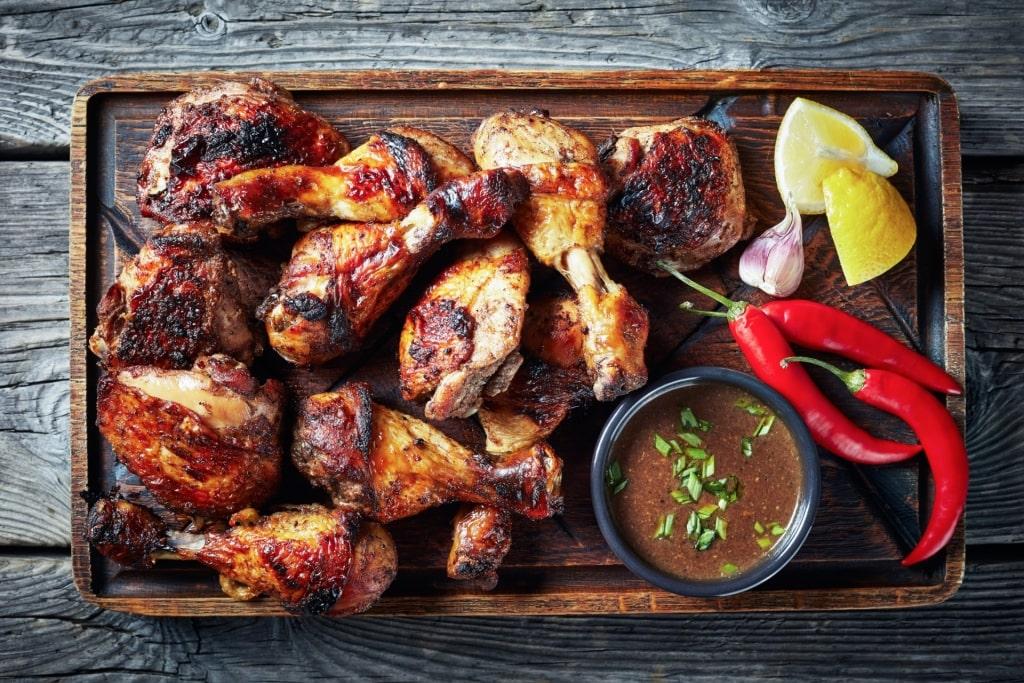
Welcome to a culinary journey where every bite tells a story and every flavor evokes a rich tapestry of history. Caribbean cuisine, often lauded for its vibrant colors and tantalizing tastes, is much more than just a feast for the senses; it is a profound testament to cultural fusion and resilience. From the tantalizing spices of jerk chicken to the comforting embrace of a savory callaloo, the dishes of the Caribbean reflect the region’s diverse heritage—shaped by the influences of indigenous peoples, European colonizers, and African traditions.
In this article, we will explore how Caribbean cuisine not only delights the palate but also plays a significant role in preserving and celebrating the region’s rich cultural identity. We’ll delve into the historical journeys of key ingredients, the evolution of cooking techniques, and the ways in which food has served as a powerful medium for storytelling and connection. Join us as we savor the past and discover how Caribbean cuisine continues to influence culinary practices and community bonds both at home and abroad. Whether you are a devoted food lover, a culinary historian, or simply curious about the flavors of the Caribbean, there is much to uncover in this vibrant culinary landscape.
Table of Contents
- Exploring the Rich History of Caribbean Cuisine
- Key Ingredients that Define Caribbean Flavors
- Culinary Traditions: A Blend of Cultures and Influences
- Sustainable Practices: Preserving the Past for Future Generations
- In Retrospect
Exploring the Rich History of Caribbean Cuisine
The history of Caribbean cuisine is a vibrant tapestry woven from the diverse cultures that have shaped the region over centuries. Rooted in indigenous practices, it evolved significantly following the arrival of European colonizers, who introduced new ingredients and culinary techniques. The fusion of these influences with African cooking methods and spices resulted in a complex flavor profile that is now celebrated worldwide. Key ingredients like plantains, rice, beans, and seafood form the foundation of many traditional dishes, while spices such as allspice, cinnamon, and nutmeg add depth and richness to the palate. This ever-evolving blend tells a story of resilience and adaptation that continues to thrive today.
As the Caribbean embraced waves of immigrants from Asia, Europe, and Africa, dishes such as curry and roti emerged, showcasing the region’s remarkable adaptability. The culinary legacy is not merely about food; it’s a reflection of the shared history and cultural exchange that define the Caribbean identity. Some influential factors that shaped the cuisine include:
- Indigenous Practices: Use of local ingredients and cooking methods.
- Colonial Influence: Introduction of European crops and livestock.
- African Heritage: Cooking styles and flavors that resonate in many dishes.
- Asian Contributions: Incorporation of spices and rice dishes.
Today, Caribbean cuisine reflects a harmonious blend of these historical influences, transforming every meal into a celebration of the past. The ongoing exchange between traditional recipes and modern interpretations ensures that this culinary heritage remains relevant and cherished. To illustrate the impact of these influences, the table below highlights key dishes and their origins:
| Dish | Origin |
|---|---|
| Jerk Chicken | Jamaica (African & Indigenous) |
| Roti | Indian (Asian) |
| Callaloo | West African (African) |
| Conch Fritters | Bahamas (Indigenous & European) |
Key Ingredients that Define Caribbean Flavors
The Caribbean is a vibrant tapestry of cultures, each contributing unique ingredients that create a distinctive flavor profile. Central to this culinary paradise are spices that ignite the senses and evoke the region’s rich history. Ingredients such as allspice, often referred to as Jamaica pepper, provide warmth with its complex notes resembling a blend of cinnamon and nutmeg. Scotch bonnet peppers, known for their fiery heat, add depth and brightness to sauces and marinades, while coconut introduces a creamy texture and subtle sweetness to both savory and sweet dishes alike. Together, these elements form a foundation for the distinctive dishes that tell the story of the islands’ diverse heritage.
Another hallmark of Caribbean cuisine is its reliance on freshness and local produce, showcasing the rich agricultural bounty of the region. Staples like rice and peas, made with kidney beans, coconut milk, and aromatic herbs, are a must-have at every meal, symbolizing the fusion of cultures and traditions. Plantains, versatile and delicious, serve as a side or main ingredient, adding a touch of sweetness or a crispy finish to dishes. Seafood also plays a vital role, particularly varieties like snapper and lobster, often prepared with zesty marinades that highlight the influence of indigenous, African, and European culinary practices. These ingredients do more than just fill the plate; they narrate a story of resilience and creativity, deeply rooted in the island’s past.
Culinary Traditions: A Blend of Cultures and Influences
The Caribbean, an enchanting tapestry of cultures, is reflected boldly in its culinary heritage. Rooted in indigenous practices and shaped by waves of colonization and migration, the region’s cuisine is a vibrant fusion characterized by its bold flavors, diverse ingredients, and unique cooking techniques. Each island presents a distinct take on traditional dishes, influenced by African, Indian, Chinese, and European culinary practices. This intermingling results in an array of mouthwatering dishes such as:
- Jerk Chicken: Spicy grilled chicken seasoned with a mix of herbs and spices.
- Curry Goat: Tender goat meat slow-cooked in a rich, aromatic curry sauce.
- Roti: A flatbread that showcases Indian influence, enjoyed with flavorful stews.
- Callaloo: A nutritious dish made from leafy greens, often cooked with spices and seafood.
This culinary evolution is also evidenced by the use of ingredients abundant in the region, including coconut, plantains, and fresh seafood. Furthermore, the communal aspect of Caribbean dining reflects societal values, where food often brings people together to share stories and celebrate culture. Local markets buzz with activity, showcasing:
| Ingredients | Uses | Origin |
|---|---|---|
| Scotch Bonnet Peppers | Spicy marinades and sauces | Africa and Caribbean |
| Cassava | Flatbreads and puddings | Indigenous peoples |
| Okra | Soups and stews | Africa |
Sustainable Practices: Preserving the Past for Future Generations
In the vibrant tapestry of Caribbean cuisine, traditional practices stand as a testament to the region’s rich history and cultural heritage. By incorporating local ingredients and age-old cooking techniques, chefs and home cooks alike play a crucial role in preserving the authentic flavors that have defined the Caribbean for generations. Emphasizing sustainability, they often source their produce from local farmers, minimizing the carbon footprint while promoting biodiversity. This farm-to-table ethos not only supports the local economy but also revitalizes interest in heirloom crops that are at risk of becoming forgotten, helping to ensure that these culinary treasures endure.
Moreover, the integration of sustainable practices in Caribbean cooking extends beyond sourcing ingredients. Culinary artisans focus on methods that minimize waste, such as using every part of the plant, recycling scraps into broths, and even fermenting surplus produce. Community initiatives encourage the sharing of indigenous recipes and knowledge, fostering an appreciation for the past while also inspiring innovation. The table below highlights key practices that embody this commitment:
| Practice | Description |
|---|---|
| Local Sourcing | Selecting ingredients from nearby farms to ensure freshness and reduce transport emissions. |
| Waste Reduction | Utilizing entire produce items, turning scraps into new dishes, and composting leftovers. |
| Heritage Preservation | Documenting and sharing traditional recipes and cooking methods that reflect the cultural mosaic of the Caribbean. |
In Retrospect
the rich tapestry of Caribbean cuisine serves not only as a feast for the senses but also as a powerful testament to the region’s history, culture, and resilience. Each dish tells a story of ancestral influences, colonial complexities, and vibrant local practices, inviting us to savor the past while embracing the present. As we explore the flavors of the Caribbean, we also uncover the narratives that shape our understanding of identity and community within this dynamic region.
By appreciating the diverse ingredients and cooking techniques that have evolved over centuries, we become more than just consumers of food; we become custodians of a cultural heritage that deserves recognition and preservation. So whether you’re indulging in a plate of jerk chicken, sampling a decadent rum cake, or enjoying a spicy seafood chowder, remember that each bite connects you to the enduring legacy of Caribbean cuisine.
As we continue to celebrate and elevate these culinary traditions, let us also advocate for the communities and artisans behind them. By sharing the stories of their heritage and supporting local endeavors, we can contribute to a future where the flavors of the Caribbean thrive, ensuring that the impact of this cuisine resonates for generations to come. So go ahead—savor the past, relish the present, and let your taste buds explore the vibrant world of Caribbean cuisine.
Thank you for joining us on this culinary journey! We look forward to hearing your thoughts and experiences with Caribbean food in the comments below. Until next time, keep exploring, tasting, and celebrating the diverse world of flavors that connects us all.