


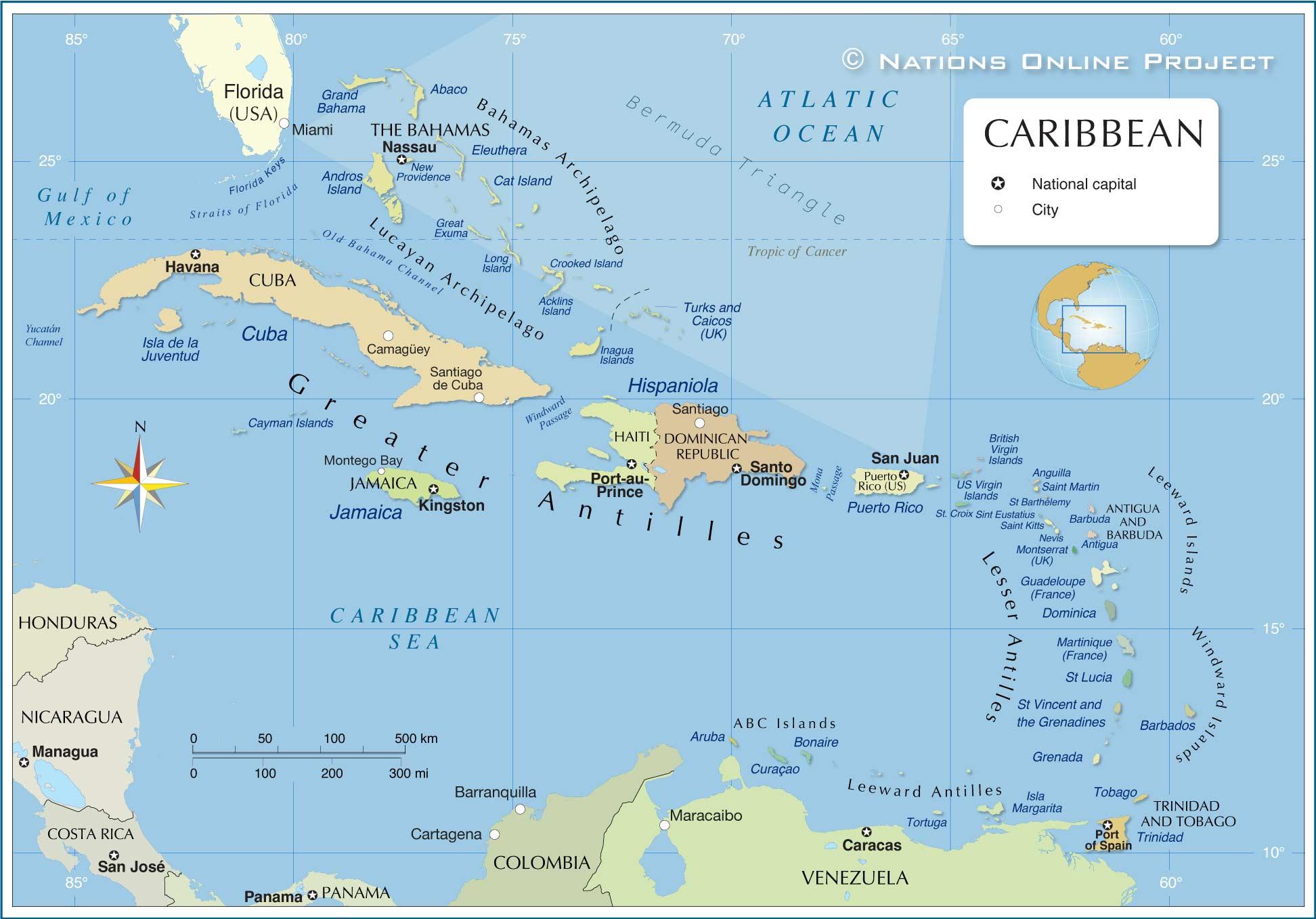
In a remarkable display of diplomacy and collective ambition, Caribbean nations are coming together to strengthen regional unity through enhanced collaboration and strategic partnerships. In recent months, leaders from various island nations have convened to discuss shared challenges, economic opportunities, and the importance of a united front in the face of global issues such as climate change and economic volatility. This renewed commitment to cooperation reflects a growing recognition among Caribbean states that mutual support and solidarity are essential for fostering resilience and promoting sustainable development in the region. As officials outline plans for joint initiatives and collaborative efforts, the path toward a more integrated Caribbean community is gaining momentum, signaling a significant shift in the dynamics of regional cooperation. In this article, we will explore the key developments, motivations, and potential impacts of these strengthened ties among Caribbean nations.
Table of Contents
- Caribbean Economic Cooperation Initiatives to Boost Trade and Investment
- Cultural Exchange Programs: Strengthening Bonds through Shared Heritage
- Collaborative Approaches to Environmental Challenges in the Caribbean
- Enhancing Security Cooperation: A Unified Response to Regional Threats
- Concluding Remarks
Caribbean Economic Cooperation Initiatives to Boost Trade and Investment
The Caribbean region is embracing a new wave of economic collaboration, emphasizing partnerships that will enhance trade and investment opportunities among member nations. Recent initiatives reflect a commitment to fostering unity, as leaders recognize the importance of a cohesive economic strategy. Collaborative efforts are being directed towards establishing trade agreements that simplify cross-border trade and reduce tariffs. This proactive approach will not only lower the cost of doing business but also uphold the region’s collective economic resilience.
Key focus areas of these initiatives include:
- Strengthening supply chains within the Caribbean to minimize dependency on external markets
- Encouraging foreign direct investment by creating an investor-friendly regulatory environment
- Enhancing infrastructure development, particularly in transportation and telecommunications
- Promoting regional products by establishing branding campaigns that showcase local goods
| Initiative | Description | Expected Impact |
|---|---|---|
| Trade Agreements | Creating frameworks that facilitate smoother transactions between nations. | Increased intra-regional trade volume. |
| Investment Incentives | Introducing tax breaks and grants for businesses operating in the Caribbean. | Attraction of foreign and local investors. |
| Infrastructure Projects | Investing in critical transport and communication infrastructure. | Enhanced connectivity and efficiency. |
Cultural Exchange Programs: Strengthening Bonds through Shared Heritage
The Caribbean region stands as a vibrant tapestry of cultures, languages, and traditions, offering a unique platform for cultural exchange programs that promote mutual understanding and cooperation. With the growing recognition of shared heritage, innovative initiatives are being launched to connect individuals across borders. These programs serve not only to preserve the diverse cultural legacies among Caribbean nations but also to enhance collaboration in various sectors, including education, arts, and tourism. Elements such as culinary arts, traditional music, and dance take center stage, as participants immerse themselves in each other’s customs and practices, fostering a sense of unity.
As various governments and organizations champion these cultural initiatives, they contribute to economic and social development throughout the region. By hosting workshops, performances, and festivals, participants can engage in meaningful exchanges that highlight the importance of regional unity. Notable examples include:
- Culinary Festivals: Showcasing traditional dishes and promoting cross-border collaborations among chefs.
- Art Exhibitions: Featuring local artists from different countries to cultivate networks and showcase talent.
- Language Workshops: Encouraging residents to learn each other’s languages to deepen cultural appreciation.
The impact of these endeavors is tangible, as relationships between nations grow stronger through joint celebrations and shared experiences. By supporting cultural exchange programs, Caribbean nations are not only preserving their unique identities but also building a brighter future rooted in collaboration and respect.
Collaborative Approaches to Environmental Challenges in the Caribbean
The Caribbean region is witnessing a transformative shift as nations come together to tackle pressing environmental challenges that threaten their ecosystems and communities. By prioritizing cooperation over competition, these countries are finding innovative solutions aimed at safeguarding their shared natural resources. Through various partnerships and coalitions, nations are pooling their expertise and resources, engaging in joint initiatives focused on sustainable development. Recent conferences have highlighted the importance of exchanging knowledge, as many island nations face similar threats such as climate change, rising sea levels, and biodiversity loss. This collaborative spirit is manifesting in various ways, including:
- Shared Research Initiatives: Collaborating on scientific studies to better understand regional ecosystems.
- Joint Conservation Efforts: Establishing marine protected areas that span national boundaries.
- Cross-Border Environmental Policies: Harmonizing regulations to combat pollution and promote sustainability.
To further bolster these efforts, regional organizations are working to enhance capacity-building initiatives that empower local communities to actively participate in environmental stewardship. By facilitating workshops and training sessions, they aim to equip individuals with the necessary skills to implement sustainable agricultural practices, conserve local wildlife, and manage waste effectively. Collaborative funding opportunities are also being explored, allowing nations to invest in large-scale projects that would otherwise be financially unfeasible. A recent analysis of proposed and ongoing initiatives demonstrates the potential impact of this united approach:
| Initiative | Participating Countries | Focus Area |
|---|---|---|
| Marine Biodiversity Project | Jamaica, Bahamas, Dominican Republic | Conservation |
| Renewable Energy Exchange | Cuba, Barbados, St. Lucia | Energy Sustainability |
| Coastal Resilience Framework | Trinidad & Tobago, Grenada, Antigua | Climate Adaptation |
Enhancing Security Cooperation: A Unified Response to Regional Threats
The Caribbean region is witnessing a pivotal moment in its approach to security, with nations recognizing the need for enhanced collaboration to address shared challenges. This newfound unity has led to the establishment of several key initiatives aimed at creating a resilient security framework. Notably, discussions have centered around enhancing intelligence sharing, conducting joint training exercises, and fostering greater cooperation between law enforcement agencies across borders. As countries like Jamaica, Trinidad and Tobago, and Barbados streamline their strategic objectives, they are collectively fortifying their defenses against issues such as drug trafficking, cybercrime, and natural disasters.
To further solidify this commitment, a comprehensive action plan has been proposed, focusing on three main pillars:
- Intelligence Sharing: Developing a regional database to track criminal activities and trends.
- Joint Operations: Coordinating law enforcement efforts for more effective responses to cross-border threats.
- Capacity Building: Providing training and resources to bolster regional security forces.
| Country | Key Initiative |
|---|---|
| Jamaica | Joint intelligence operations |
| Trinidad and Tobago | Cybersecurity training workshops |
| Barbados | Disaster preparedness drills |
As Caribbean nations navigate these complex security dynamics, their commitment to fraternity will not only fortify regional stability but also set a precedent for global collaboration in addressing transnational threats. The ongoing dialogue and partnerships signify a robust approach toward collective resilience, ensuring that the Caribbean remains a safe and secure environment for its citizens and visitors alike.
Concluding Remarks
As the Caribbean nations embark on this pivotal journey toward greater regional unity, the collaborative efforts showcased at recent summits signal a commitment to shared prosperity and collective security. With initiatives aimed at addressing common challenges such as economic resilience, climate change, and social development, these nations recognize that their strength lies in unity. As they strengthen diplomatic ties and enhance cooperation across various sectors, the Caribbean stands poised to emerge as a formidable entity on the global stage. The evolving partnership among these nations not only promises to enhance the quality of life for their citizens but also to inspire a more cohesive identity that reflects the diverse yet intertwined heritage of the Caribbean. As we look to the future, the commitment to regional collaboration will undoubtedly play a crucial role in shaping a more sustainable and prosperous Caribbean community.