


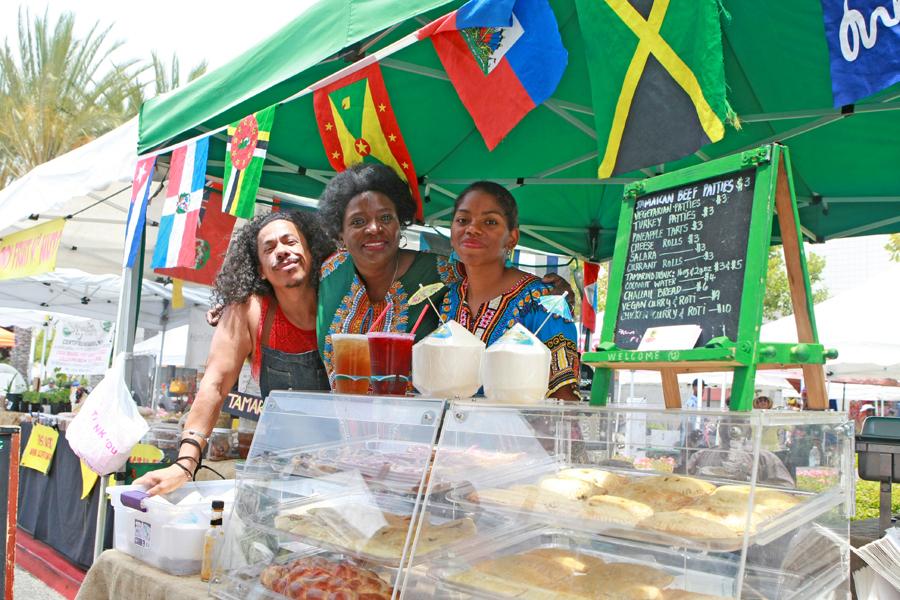
The vibrant Caribbean is renowned for its stunning landscapes, rich history, and warm hospitality, but perhaps one of its most delectable treasures lies in the bustling food markets and local vendors that color its streets. From the fragrant spices of Jamaica to the fresh seafood of the Bahamas and the sweet tropical fruits of Barbados, each island offers a unique culinary experience that reflects its diverse heritage and culture. In this article, we will journey through the heart of the Caribbean, delving into the stories behind popular markets, the skilled vendors who bring these flavors to life, and the cultural significance of food in fostering community and preserving traditions. Whether you’re a seasoned traveler or a curious foodie, join us as we explore the vibrant tapestry of Caribbean culinary culture that exists beyond the resorts and tourist hotspots.
Table of Contents
- Exploring the Vibrant Atmosphere of Caribbean Food Markets
- Authentic Flavors: Must-Try Dishes and Ingredients
- Connecting with Local Vendors: Insights and Recommendations
- Cultural Significance: How Food Markets Reflect Caribbean Heritage
- Final Thoughts
Exploring the Vibrant Atmosphere of Caribbean Food Markets
Wandering through Caribbean food markets is like diving headfirst into a kaleidoscope of sights, sounds, and flavors. Stalls brim with vividly colored fruits and vegetables, from the vibrant presence of ripe mangoes and sweet plantains to the dazzling hues of scotch bonnet peppers. Vendors enthusiastically offer samples of their fresh produce, inviting you to experience the local richness firsthand. As you stroll, you’ll hear the rhythmic pulse of soca and calypso music, creating an infectious energy that brings the market to life. The laughter of families and friends mingling with the chatter of merchants creates an atmosphere filled with warmth and community spirit, making each visit not just a shopping trip but a cultural experience.
The market also serves as a stage for culinary experimentation, where traditional Caribbean dishes take center stage. Street vendors expertly prepare a variety of mouth-watering delights, including jerk chicken, roti, and fish tacos, each infused with local spices that tantalize the taste buds. Alongside these savory offerings, small stalls tempt passersby with sweet treats such as guava tarts and coconut drops. To better understand the local culinary landscape, here’s a quick look at some common market foods:
| Food Item | Description |
|---|---|
| Jerk Chicken | Spicy, marinated grilled chicken, a staple of Caribbean cuisine. |
| Roti | A flatbread often filled with curried meat or vegetables. |
| Fish Tacos | Grilled or fried fish wrapped in soft tortillas, topped with coleslaw. |
| Guava Tart | A sweet pastry filled with guava jam, popular for dessert. |
| Coconut Drops | A chewy, sweet treat made from fresh coconut and sugar. |
Authentic Flavors: Must-Try Dishes and Ingredients
When exploring the vibrant food markets of the Caribbean, a sensory overload welcomes you with a tantalizing array of colors, scents, and sounds. Among the must-try dishes that reflect the region’s rich culinary heritage, jerk chicken and rice and peas stand out as staples that encapsulate the spirit of island life. Jerk chicken, marinated in a spicy blend of allspice, thyme, and scotch bonnet peppers, offers a smoky depth that leaves a lasting impression. Meanwhile, rice and peas—typically made with kidney beans or pigeon peas, flavored with coconut milk—brings a creamy, savory companion to the spicy meat, making it a perfect duo.
In addition to these iconic plates, the markets are filled with vibrant ingredients craving attention. Fresh produce such as plantains, durians, and mangoes offer bursts of flavor that can brighten any dish. Don’t miss out on trying soursop juice or kaleidoscopic sauces that include hot pepper sauce or homemade chutneys—perfect for accentuating the earthy flavors of meats and vegetables alike. You might also stumble upon a variety of unique spices and local specialties such as callaloo, which boasts a rich, leafy green goodness reminiscent of spinach, or bacalao, a traditional salted cod dish that showcases the culinary influences of the region.
Connecting with Local Vendors: Insights and Recommendations
When delving into the vibrant world of Caribbean food markets, establishing a connection with local vendors is crucial for an authentic experience. These vendors are not just sellers; they are custodians of culture and tradition, offering insights into the region’s diverse culinary heritage. To fully appreciate the flavors and stories behind each dish, consider engaging with the vendors as you explore their stalls. Here are a few tips to foster that connection:
- Ask Questions: Inquire about the sourcing of ingredients and family recipes.
- Visit During Off-Peak Hours: This allows for more meaningful conversations and the chance to learn about the vendor’s background.
- Participate in Tastings: Many vendors offer samples that can lead to discussions about cooking methods and the significance of certain dishes.
Moreover, it’s beneficial to familiarize yourself with popular local vendors who make a significant impact in their communities. Below is a simple table outlining some renowned vendors across the Caribbean, showcasing their specialties and contributions:
| Vendor Name | Location | Specialty |
|---|---|---|
| Chef Susie’s | Jamaica | Authentic Jerk Chicken |
| Maria’s Market | Puerto Rico | Fresh Tropical Fruits |
| Island Spice | Barbados | Coconut-Infused Dishes |
Connecting with these local vendors not only enriches your culinary journey but also supports their enterprises, helping them thrive amidst the evolving food landscape of the Caribbean. Embrace the stories behind the food, as they add layers to what you savor and share.
Cultural Significance: How Food Markets Reflect Caribbean Heritage
Food markets in the Caribbean are vibrant epicenters of cultural exchange, embodying the rich tapestry of the region’s history and heritage. These markets serve as crucial gathering places where diverse communities come together, showcasing the melting pot of influences from African, Indigenous, European, and Asian cuisines. Vendors often sell an array of local produce, spices, and prepared dishes that reflect the unique flavors of their respective islands, inviting visitors to experience the soul of Caribbean identity through food.
Some of the most significant elements seen in Caribbean food markets include:
- Traditional Ingredients: Locally sourced fruits, vegetables, and herbs that are staples in many Caribbean dishes.
- Culinary Techniques: Time-honored methods, such as stewing, grilling, and frying, that have been passed down through generations.
- Community Interaction: A sense of camaraderie and shared stories exchanged between vendors and customers, strengthening communal bonds.
- Artistic Expression: Colorful displays, artfully arranged ingredients, and lively vendor creativity that highlight cultural pride.
| Island | Signature Dish | Main Ingredient |
|---|---|---|
| Jamaica | Jerk Chicken | Pimento (Allspice) |
| Barbados | Cou-cou and Flying Fish | Cornmeal |
| Trinidad | doubles | Chickpeas |
| Cuba | Ropa Vieja | Shredded Beef |
Final Thoughts
As we wrap up our exploration of food markets and vendors in Caribbean culture, it’s clear that these vibrant hubs are more than just places to buy ingredients or meals. They represent the heart and soul of the Caribbean community, where flavors, stories, and traditions intertwine. From the bustling stalls of fresh produce to the enticing aromas of local street food, each market offers a unique glimpse into the diverse culinary landscape that defines the region.
Whether you’re a seasoned traveler or just an enthusiastic foodie, visiting these markets allows you to connect with local vendors and immerse yourself in the rich tapestry of Caribbean life. So, the next time you find yourself in the Caribbean, make it a point to step away from the usual tourist spots and delve into the lively atmosphere of a food market. Experience firsthand the ingredients, the culture, and the people that make Caribbean cuisine so special.
Thank you for joining us on this flavorful journey! We hope this exploration inspires you to seek out these culinary treasures and bring a taste of the Caribbean into your own kitchen. Happy eating!