


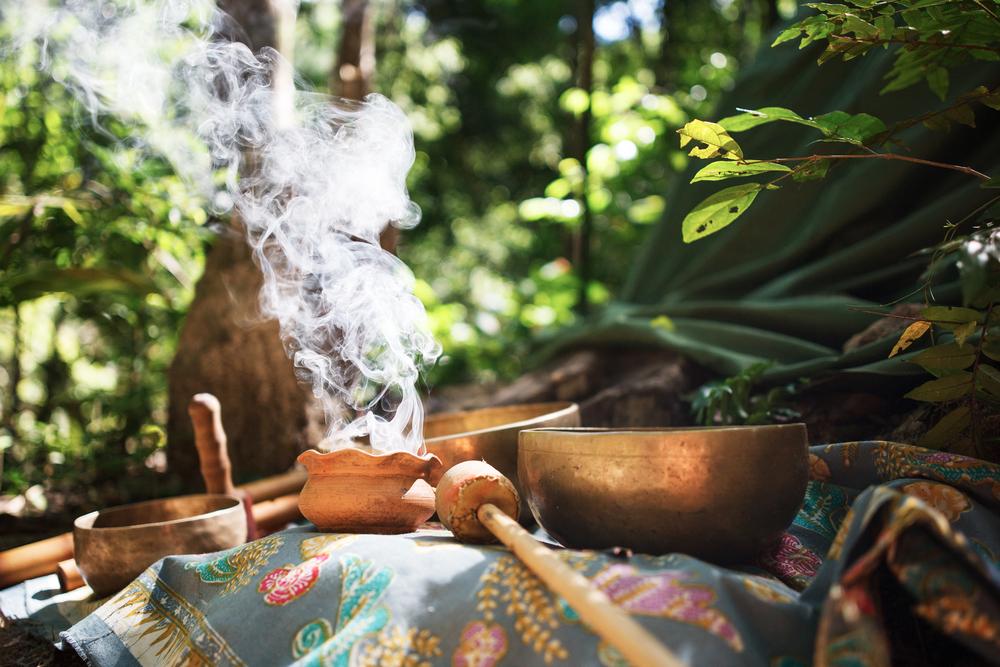
As the sun rises over the vibrant landscapes of the Caribbean, a deep-rooted connection to tradition stirs within the hearts of its people. The soothing whisper of the ocean, the rustle of palm trees, and the chorus of bird songs create a symphony that resonates with the healing practices passed down through generations. Traditional medicine in the Caribbean is not merely a collection of remedies; it is an eloquent testament to the resilience and richness of a culture that has weathered storms—both literal and metaphorical. In a world increasingly dominated by synthetic solutions and fleeting trends, we are beckoned to reconnect with the wisdom of our ancestors, who harmonized their lives with the rhythms of nature. This article invites you on a journey where we delve into the captivating world of Caribbean traditional medicine, exploring its roots, its healing power, and the profound sense of identity it instills in those who embrace it. Here, we honor not just the remedies themselves but the stories, the struggles, and the vibrant heritage that lie at their heart. Join us as we rediscover the power of tradition in a modern age, and illuminate the paths of wellness that have stood the test of time.
Table of Contents
- Embracing the Roots of Healing: Connecting with Caribbean Traditions
- The Wisdom of Ancestors: Understanding the Role of Plants in Traditional Medicine
- Healing in Community: Strengthening Bonds Through Herbal Knowledge
- Nurturing Future Generations: Recommendations for Preserving Caribbean Healing Practices
- Future Outlook
Embracing the Roots of Healing: Connecting with Caribbean Traditions
The vibrant tapestry of Caribbean traditional medicine is woven with threads of ancestral knowledge, passed down through generations. Rooted in the rich cultural heritage of the region, these healing practices celebrate the deep connection between the mind, body, and spirit. Herbal remedies, rituals, and community support form the backbone of this holistic approach, offering not just relief from ailments but also a sense of belonging. Many practitioners, revered as healers or obeah men, draw on the wisdom of plants and local resources, creating unique remedies that align with the rhythms of the land and the people.
Central to these practices is a profound respect for nature, where the Caribbean landscape serves as both a medicine cabinet and a sanctuary. From soothing teas made from leaves and roots to spiritual cleansing rituals, every aspect of healing is imbued with the intention of nurturing the soul. Key elements include:
- Plant-Based Remedies: Utilization of herbs like ginger, basil, and fever grass.
- Spiritual Healing: Ceremonies that invoke ancestral spirits and community blessings.
- Rituals and Ceremonies: Sacred practices that create a sense of unity and support.
| Herb | Health Benefit |
|---|---|
| Ginger | Anti-inflammatory, aids digestion |
| Basil | Stress relief, antibacterial properties |
| Fever Grass | Reduces fever, calms nerves |
By embracing these healing traditions, we honor our roots and foster a deeper understanding of well-being that transcends mere physical health. In the Caribbean, the journey to wellness is not an isolated endeavor; it is a collective experience, intricately linked to our cultural identities and shared histories. Each remedy and ritual not only speaks to the healing power of nature but also reinforces the bonds that unite communities in their quest for harmony and health.
The Wisdom of Ancestors: Understanding the Role of Plants in Traditional Medicine
The rich tapestry of Caribbean traditional medicine is intricately woven with the wisdom of ancestors who understood the profound connection between humans and the natural world. Plants were not merely tools for healing; they were revered entities infused with spirit and purpose. Healers, often referred to as shamans or herbologists, learned to communicate with these botanical beings, recognizing them as guardians of health and well-being. This age-old knowledge has been passed down through generations, imbuing the community with a deep respect for the biodiversity that surrounds them. Within the vibrant green foliage, many found not just remedies but stories of resilience, adaptation, and survival.
In this context, specific plants are celebrated for their unique healing properties. The careful practices and rituals associated with their use often reflect a profound understanding of the human-body-plant triad. Families would gather to listen as elders spoke of the remarkable benefits derived from these natural resources. The table below highlights just a few cherished plants and their roles in traditional healing:
| Plant | Healing Property | Cultural Significance |
|---|---|---|
| Bitter Melon | Regulates blood sugar | Symbol of strength and endurance |
| Soursop | Anti-cancer properties | Bringer of peace and harmony |
| Ginger | Digestive aid | Represents warmth and hospitality |
| Turmeric | Anti-inflammatory | Emblem of spiritual purification |
This enduring legacy serves as both a reminder and an inspiration, urging us to embrace our roots while we navigate the complexities of modern life. The dedication to the preservation of plant knowledge not only enriches the spiritual landscape but also lays the foundation for sustainable health practices that honor both the past and the future. Each leaf and root holds stories of hope, healing, and an unbreakable bond between people and nature.
Healing in Community: Strengthening Bonds Through Herbal Knowledge
Within the vibrant tapestry of Caribbean culture, traditional herbal medicine serves not only as a means of healing but as a thread that weaves the community together. The ancestors imparted their wisdom through generations, nurturing not only the body but also the spirit of unity among the people. Sharing knowledge of herbal remedies creates an intimate revival of bonds, fostering an environment where stories are exchanged and memories are cherished. By gathering around the shared experience of plant medicine, communities discover the beauty of collaboration and the strength that can be drawn from interpersonal connections.
In exploring the deep-seated roots of Caribbean traditional medicine, we can envision spaces where people come together to celebrate their heritage. Workshops and communal gatherings centered on herbalism allow for unique relationships to blossom. Participants can engage in learning about:
- The healing properties of local herbs
- Traditional preparation methods
- Emotional well-being through shared experiences
The shared practice of gathering plants and preparing remedies not only enriches individual knowledge but reinforces the idea that healing is most profound when experienced within a community. Through these shared journeys of discovery, people find solace in their collective heritage, deepening their relationships and ensuring that the fight against illness is met with both care and companionship.
Nurturing Future Generations: Recommendations for Preserving Caribbean Healing Practices
In a world that is increasingly dominated by modern medicine, it is vital to recognize and embrace the wisdom embedded in Caribbean traditional healing practices. Engaging with local communities is essential for safeguarding this treasure trove of knowledge. By collaborating with experienced healers and herbalists, younger generations can be introduced to the rich tapestry of herbal remedies and spiritual rituals that have shaped their cultural identity. This connection fosters a sense of pride and belonging, encouraging youth to become stewards of their heritage. An open dialog with elders can facilitate the transfer of invaluable knowledge, turning students into active participants in the preservation of their cultural roots.
In addition to community engagement, the integration of these healing practices into educational curricula is crucial. Schools should explore partnerships with local herbalists and healers to incorporate traditional knowledge in classroom settings. Here are some ways schools can frame this knowledge within their programs:
| Activities | Description |
|---|---|
| Workshops | Hands-on sessions with traditional healers discussing medicinal plants |
| Field Trips | Visits to local botanical gardens and traditional markets |
| Research Projects | Students conduct studies on the history of local healing practices |
By fostering this multi-faceted approach, we can ignite a passion for preserving Caribbean healing practices among future generations. This emotional and educational journey can cultivate respect for the past while empowering the youth to adapt and innovate these traditions in our modern context.
Future Outlook
As we draw the curtain on our exploration of Caribbean traditional medicine, it’s impossible to overlook the vibrant tapestry of heritage that weaves through each remedy, ritual, and whisper of ancestral wisdom. This journey has illuminated the profound connection between nature, culture, and community—the heartbeat of the Caribbean spirit.
From the fragrant leaves of the healing herbs to the rhythmic cadence of ancient chants, we are reminded that traditional medicine is not merely about physical healing; it is a powerful expression of identity, resilience, and love. It’s a celebration of our ancestors who walked this land, harvesting the gifts it offers, and passing down their wisdom like sacred treasures.
In embracing our heritage, we not only honor those who came before us but also create a bridge to a healthier, more holistic future. Let’s carry forward the lessons learned, blending them with modern practices, as we cultivate a deeper respect for the Earth and each other.
As you walk your own path of healing, remember the stories that have shaped you. Let the warmth of our culture wrap around you like a comforting embrace. Together, let’s cherish our roots and continue to share the healing power of Caribbean traditional medicine with the world—because deep down, it’s not just medicine; it’s love, community, and an unbreakable bond to our land. Thank you for joining us on this journey of discovery and remembrance. Let your heart resonate with the rhythms of our heritage, for in this embrace, we find not just healing, but hope.